With a Candle, Get Rid of Cracked Heels in Just 1 Day? Here’s What Really Works!
With a Candle, Get Rid of Cracked Heels in Just 1 Day? Here’s What Really Works!
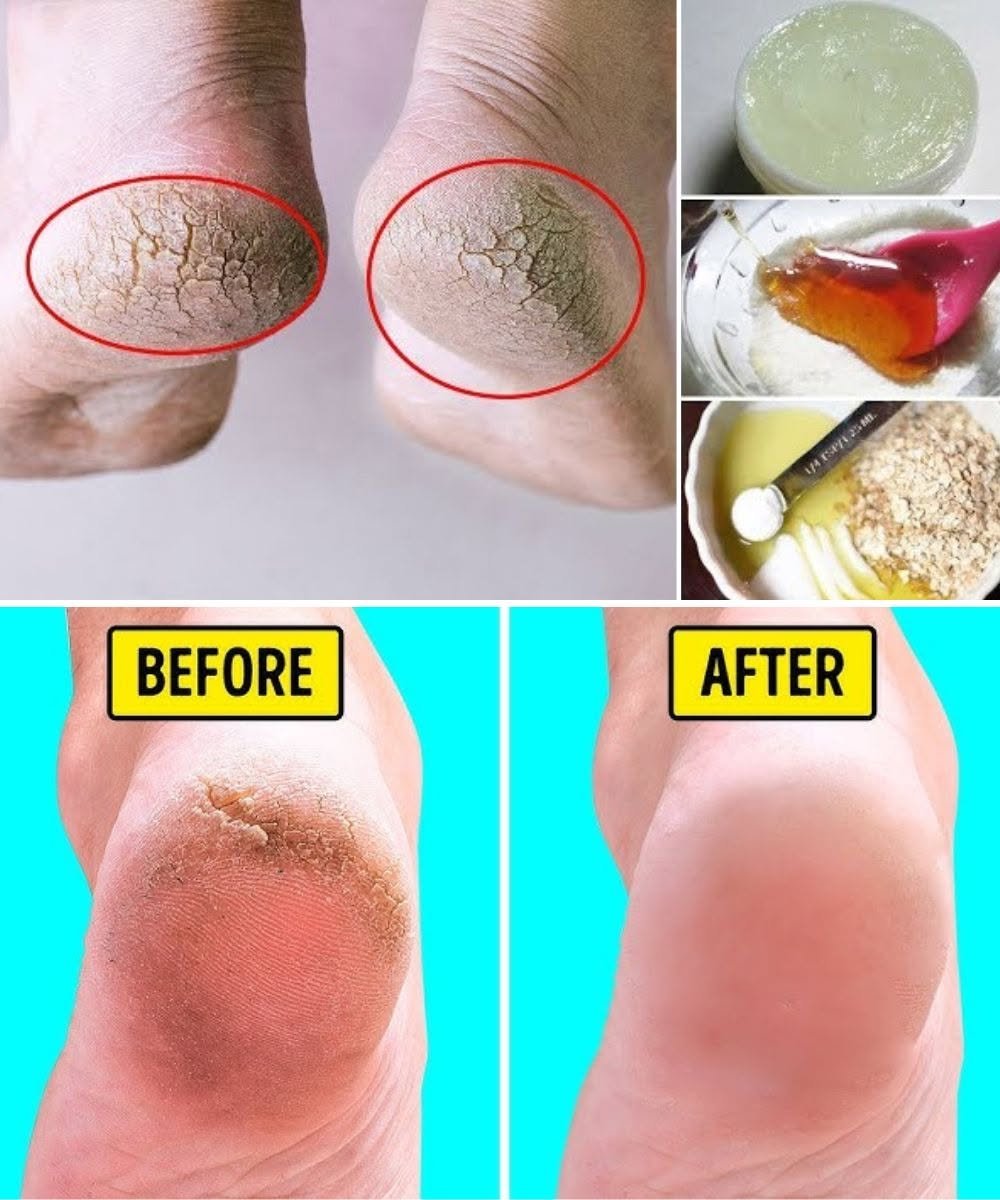
Cracked heels are a common foot-care problem that can affect people of all ages. Dry, rough skin around the heels can become thick, flaky and uncomfortable. In more severe cases, deep cracks may develop, causing pain, bleeding and difficulty walking.
Many people try homemade remedies to restore soft, smooth feet. One unusual remedy circulating online involves using candle wax to treat cracked heels. But can a candle really repair dry, damaged skin in just one day?
The truth is that cracked heels can often improve with simple and affordable foot-care treatments, but there is no reliable evidence that candle wax can heal them overnight.
Let’s explore what causes cracked heels, why candle wax is not recommended and which treatments can actually help.
What Causes Cracked Heels?
Cracked heels develop when the skin around the heel becomes excessively dry, thick or hardened. Pressure from standing and walking can cause this thickened skin to split.
Several factors can contribute to the problem:
- Dry skin and reduced natural skin moisture.
- Standing for long periods.
- Walking barefoot or wearing open-backed footwear.
- Excess body weight, which increases pressure on the heels.
- Frequent exposure to hot water and harsh soaps.
- Skin conditions such as eczema, psoriasis or athlete’s foot.
- Certain medical conditions, including diabetes and nerve damage.
Sometimes, cracked heels are simply a cosmetic concern. However, deep cracks can become painful and increase the risk of infection.
Can Candle Wax Heal Cracked Heels?
You may have seen online videos suggesting that melted candle wax can soften rough heels and remove hardened skin.
Although wax can create a temporary coating over the skin, ordinary candle wax is not designed for skincare.
There is no reliable clinical evidence that candle wax repairs cracked heels or restores damaged skin. More importantly, melted wax can become hot enough to cause burns.
Candles may also contain fragrances, dyes and other additives that can irritate sensitive or damaged skin.
Important: Never pour melted candle wax onto your feet or use a heated candle as a home treatment.
Instead, choose a moisturising foot cream or petroleum jelly specifically intended for skin.
5 Effective Ways to Treat Cracked Heels at Home
You do not need expensive salon treatments to improve dry, cracked heels. A consistent foot-care routine can make a noticeable difference.
1. Apply a Thick Moisturising Cream
One of the simplest ways to improve cracked heels is to restore moisture to the skin.
Look for foot creams containing ingredients such as:
- Urea.
- Glycerin.
- Petrolatum.
- Ceramides.
- Hyaluronic acid.
Urea-based creams are particularly useful because they help soften thickened skin while improving hydration.
Apply moisturiser regularly, especially after bathing when the skin is slightly damp.
2. Use Petroleum Jelly Before Bedtime
Petroleum jelly helps reduce moisture loss and protects dry skin.
For an easy overnight routine:
- Wash your feet gently with lukewarm water.
- Pat them dry with a clean towel.
- Apply a generous layer of petroleum jelly to your heels.
- Wear clean cotton socks overnight.
This can help soften rough skin and improve dryness over time.
Avoid applying products deep inside open or infected cracks without medical advice.
3. Soak Your Feet in Lukewarm Water
A short foot soak can help soften hardened skin.
Follow these steps:
- Fill a small basin with lukewarm water.
- Soak your feet for approximately 5–10 minutes.
- Gently dry your feet, paying attention to the areas between your toes.
- Apply a moisturising foot cream.
Avoid very hot water and prolonged soaking, as these can make dry skin worse.
If you have diabetes, reduced sensation or poor circulation, ask your healthcare professional before soaking or treating your feet at home.
4. Gently Remove Thickened Skin
Thick, hardened skin around the heels can contribute to cracking.
A gentle foot file or pumice stone may help reduce excess dead skin.
Use it carefully after washing your feet. Never aggressively scrape, cut or peel hardened skin.
If your heels have deep, painful or bleeding cracks, avoid filing them and seek professional advice.
5. Wear Comfortable, Supportive Footwear
Your footwear plays an important role in preventing cracked heels.
Open-backed sandals and poorly fitting shoes may allow the heel’s fatty tissue to spread sideways, increasing pressure on the surrounding skin.
Choose footwear that:
- Supports and cushions your heels.
- Fits properly.
- Reduces friction and pressure.
- Protects your feet from rough surfaces.
Wearing comfortable shoes consistently can help prevent cracks from returning.
How to Make Your Feet Softer Overnight
If your heels are dry but do not have deep or infected cracks, try this simple overnight routine.
Before bedtime:
- Wash your feet with lukewarm water.
- Gently pat them dry.
- Apply a thick layer of petroleum jelly or a suitable heel moisturiser.
- Put on clean cotton socks.
In the morning, your heels may feel softer and more comfortable.
However, deep cracks and thickened skin usually require consistent treatment over several days or weeks rather than a single night.
When Should You See a Doctor?
Most mild cases of cracked heels can improve with regular moisturising and appropriate footwear.
However, seek medical advice if you notice:
- Deep or painful cracks.
- Bleeding from the heels.
- Redness or swelling around the cracks.
- Pus or unusual discharge.
- Increasing warmth or tenderness.
- Cracks that do not improve with regular treatment.
People with diabetes, poor circulation or reduced sensation should seek professional foot-care advice early, even for seemingly minor cracks.
Final Thoughts
Cracked heels can be uncomfortable, but the right foot-care routine can help restore smoother and healthier-looking skin.
Although candle wax is sometimes promoted as a homemade remedy, it is not a proven treatment and melted wax can cause burns.
A safer approach is to use urea-based moisturisers, petroleum jelly, gentle foot care and supportive footwear.
Remember: Healthy feet need consistent care, not risky shortcuts. Treat dryness early, protect deep cracks and seek medical advice if your heels become painful or show signs of infection.
Medical Disclaimer: This article is for general educational purposes only and does not replace professional medical advice, diagnosis or treatment.