High Cholesterol Symptoms: 8 Warning Signs Your Body May Be Trying to Tell You
High Cholesterol Symptoms: 8 Warning Signs Your Body May Be Trying to Tell You
High cholesterol is often called a silent health problem because most people have no idea their cholesterol levels are elevated. You may feel perfectly healthy, go about your daily activities and experience no obvious symptoms while fatty deposits gradually build up inside your arteries.
Over time, this buildup can narrow blood vessels, restrict blood flow and increase the risk of serious cardiovascular problems, including heart attacks and strokes.
But are there any visible warning signs you should know about?
In some people, particularly those with extremely high or inherited cholesterol levels, certain changes may appear around the eyes, hands, joints and tendons. Other symptoms can develop when narrowed arteries begin affecting blood circulation.
Here are eight important signs and symptoms to understand, including when you should seek medical attention.
1. Yellowish Bumps Around Your Eyes
Have you noticed small yellowish patches or raised bumps around your eyelids?
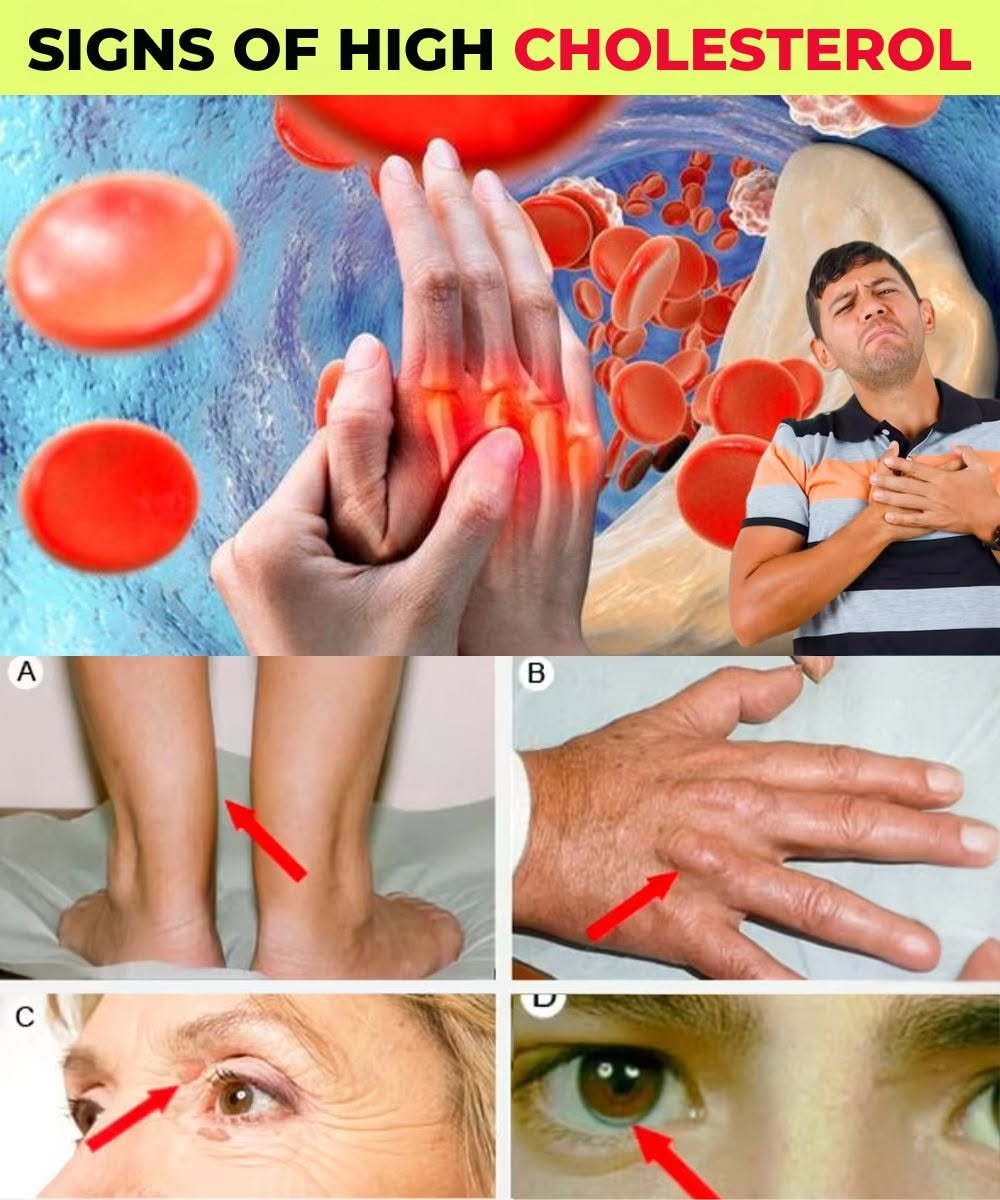
These may be xanthelasma, deposits containing cholesterol and other fats that commonly develop around the inner corners of the eyes.
They are usually painless and may gradually become more noticeable over time.
Although xanthelasma can be associated with elevated cholesterol, not everyone who develops these patches has high cholesterol. They can also occur in people with normal cholesterol levels.
What should you do?
If you notice new yellowish patches around your eyelids, consider having your cholesterol checked. A healthcare professional can assess the patches and recommend appropriate treatment if necessary.
2. Unusual Lumps Around Your Hands, Fingers or Joints
Small, firm or soft lumps around your fingers, knuckles, elbows or knees may sometimes be cholesterol deposits known as xanthomas.
These deposits develop when certain fats accumulate in the skin or tendons.
They can be particularly important because tendon xanthomas are associated with familial hypercholesterolaemia (FH), an inherited condition that causes very high LDL cholesterol levels.
People with this condition may develop cholesterol-related deposits at a relatively young age.
What should you do?
Do not assume that every lump around your joints is caused by cholesterol. However, unexplained lumps, especially alongside a family history of early heart disease or very high cholesterol, deserve medical assessment.
3. A White or Grey Ring Around Your Eyes
Have you noticed a pale grey or white ring forming around the outer edge of the coloured part of your eye?
This appearance is called corneal arcus. It occurs when fatty substances accumulate around the outer edge of the cornea.
It is relatively common in older adults and is often associated with normal ageing.
However, when it appears in younger people, particularly those under 40, it may raise concern about inherited high cholesterol.
What should you do?
Arrange an eye examination if you notice an unusual ring around your cornea. If you are relatively young, ask your healthcare professional whether a cholesterol blood test is appropriate.
4. Pain or Cramping in Your Legs When Walking
Leg pain is not a direct symptom of high cholesterol itself. However, cholesterol buildup can contribute to peripheral artery disease (PAD), a condition in which narrowed arteries reduce blood flow to the legs.
One common warning sign is cramping or aching in the calves, thighs or buttocks while walking or exercising.
The discomfort often improves after stopping and resting.
Other possible symptoms include:
- Coldness in one lower leg or foot.
- Changes in skin colour.
- Slow-healing sores on the feet or legs.
- Reduced hair growth on the legs.
- Weak pulses in the feet.
What should you do?
Recurring leg pain during walking should be medically assessed. It may indicate reduced blood circulation and requires investigation.
5. Chest Pain or Pressure
Chest discomfort can sometimes occur when cholesterol-related plaque narrows the arteries supplying blood to the heart.
This may cause a condition called angina.
People experiencing angina may describe:
- Pressure or tightness in the chest.
- A squeezing sensation.
- Discomfort spreading to the arms, shoulders or jaw.
- Shortness of breath.
- Discomfort during physical activity or emotional stress.
It is important to understand that chest pain is not a warning symptom of high cholesterol itself. It may indicate that cardiovascular disease has already developed.
What should you do?
New or unexplained chest pain requires urgent medical assessment.
If you experience persistent chest pressure, especially with sweating, breathlessness, nausea or pain spreading to your arm or jaw, seek emergency medical assistance immediately.
6. Persistent Tendon Thickening or Swelling
Cholesterol deposits can sometimes accumulate inside tendons, particularly the Achilles tendons at the back of the ankles and tendons around the knuckles.
This condition is known as tendon xanthoma.
Affected tendons may appear enlarged or swollen and sometimes feel firm.
These deposits are particularly associated with familial hypercholesterolaemia, which can cause dangerously elevated LDL cholesterol from an early age.
What should you do?
If you notice unexplained thickening around your Achilles tendons or knuckles, arrange a medical examination, particularly if close relatives have a history of very high cholesterol or early heart disease.
7. Sudden Weakness, Numbness or Difficulty Speaking
High LDL cholesterol can contribute to plaque buildup in arteries supplying the brain.
If a blood vessel becomes blocked, it can cause an ischaemic stroke.
Warning signs include:
- Sudden weakness or numbness in the face, arm or leg, particularly on one side.
- Sudden difficulty speaking or understanding speech.
- Sudden loss or blurring of vision.
- Sudden dizziness or loss of balance.
- A sudden, severe headache without an obvious explanation.
These symptoms are not early signs of high cholesterol. They may indicate a medical emergency caused by disrupted blood flow to the brain.
What should you do?
Seek emergency medical help immediately if you experience any possible stroke symptoms, even if they disappear after a few minutes. Do not wait for them to return.
8. No Noticeable Symptoms at All
This is perhaps the most important point about high cholesterol.
Most people with elevated cholesterol experience absolutely no warning symptoms.
They may have:
- No chest pain.
- No visible changes around their eyes.
- No unusual lumps around their joints.
- No leg discomfort.
- No noticeable changes in their daily activities.
Unfortunately, cholesterol can gradually accumulate inside artery walls without producing any obvious symptoms.
A person may discover they have high cholesterol only after a routine blood test or following a cardiovascular event.
What should you do?
Do not wait for physical symptoms before checking your cholesterol. A simple blood test can identify unhealthy cholesterol levels and help your healthcare professional assess your cardiovascular risk.
How Can You Know If Your Cholesterol Is High?
The only reliable way to know whether you have high cholesterol is through a blood test called a lipid profile or lipid panel.
This test measures several important blood fats:
| Test | What it measures |
|---|---|
| Total cholesterol | Overall cholesterol level |
| LDL cholesterol | Often called bad cholesterol because it contributes to plaque buildup |
| HDL cholesterol | Often called good cholesterol because it helps transport cholesterol back to the liver |
| Triglycerides | Another type of fat circulating in the blood |
Your doctor will interpret these results alongside your age, medical history, family history and other cardiovascular risk factors.
You may have high LDL cholesterol even if your HDL cholesterol is within a healthy range.
7 Ways to Help Lower High Cholesterol Naturally
Lifestyle changes can make a meaningful difference to cholesterol levels and overall heart health.
Here are seven practical habits worth adopting.
1. Eat More Soluble Fibre
Foods such as oats, beans, lentils, apples and vegetables contain soluble fibre.
This type of fibre helps reduce the absorption of cholesterol in the digestive system.
Try including oats or beans in your regular meals.
2. Reduce Saturated Fat
Foods high in saturated fat can increase LDL cholesterol.
Try limiting:
- Fatty cuts of meat.
- Butter and ghee.
- Full-fat dairy products.
- Processed meats.
- Foods containing large amounts of saturated fat.
Choose healthier unsaturated fats, such as olive oil, nuts and seeds, instead.
3. Exercise Regularly
Physical activity can improve cardiovascular health and help increase HDL cholesterol.
Aim for around 150 minutes of moderate-intensity physical activity each week, if medically appropriate.
Walking, cycling, swimming and other aerobic activities are good options.
4. Include Healthy Fats in Your Diet
Foods such as walnuts, almonds, seeds, avocados and oily fish provide healthier fats.
Replacing saturated fats with unsaturated fats can help improve cholesterol levels.
5. Maintain a Healthy Weight
Excess body weight can contribute to unhealthy cholesterol and triglyceride levels.
Gradual, sustainable weight management through a balanced diet and regular activity can improve your overall cardiovascular health.
6. Avoid Smoking
Smoking damages blood vessels and increases cardiovascular risk. It can also lower HDL cholesterol.
Quitting smoking is one of the most important steps you can take to protect your heart and circulation.
7. Take Prescribed Medication
Lifestyle changes are important, but they are not always enough.
Some people, particularly those with inherited high cholesterol or existing cardiovascular disease, need medication such as statins.
Never stop or replace prescribed cholesterol medication with home remedies without discussing it with your doctor.
Who Is at Greater Risk of High Cholesterol?
Certain factors can increase your likelihood of developing unhealthy cholesterol levels.
These include:
- Family history of high cholesterol.
- Familial hypercholesterolaemia.
- A diet high in saturated fat.
- Physical inactivity.
- Being overweight.
- Diabetes.
- Certain thyroid and kidney conditions.
- Smoking.
- Increasing age.
People with a strong family history of heart disease, particularly heart attacks at a young age, should discuss cholesterol testing with their healthcare professional.
Final Thoughts
High cholesterol is a serious health concern precisely because it usually develops without noticeable symptoms.
Yellowish patches around the eyes, unusual fatty lumps around the joints and a grey-white ring around the cornea can sometimes indicate very high or inherited cholesterol levels. Meanwhile, chest pain, leg discomfort and stroke symptoms may indicate complications involving narrowed or blocked arteries.
However, these physical changes are not reliable substitutes for a cholesterol test.
The best way to protect your heart is to know your cholesterol numbers, maintain healthy habits and seek medical advice when necessary. Don’t wait until your body starts showing warning signs.
Medical Disclaimer: This article is for educational purposes only and does not replace professional medical advice, diagnosis or treatment. Visible skin or eye changes cannot confirm high cholesterol. A healthcare professional can recommend appropriate testing and treatment based on your individual risk.