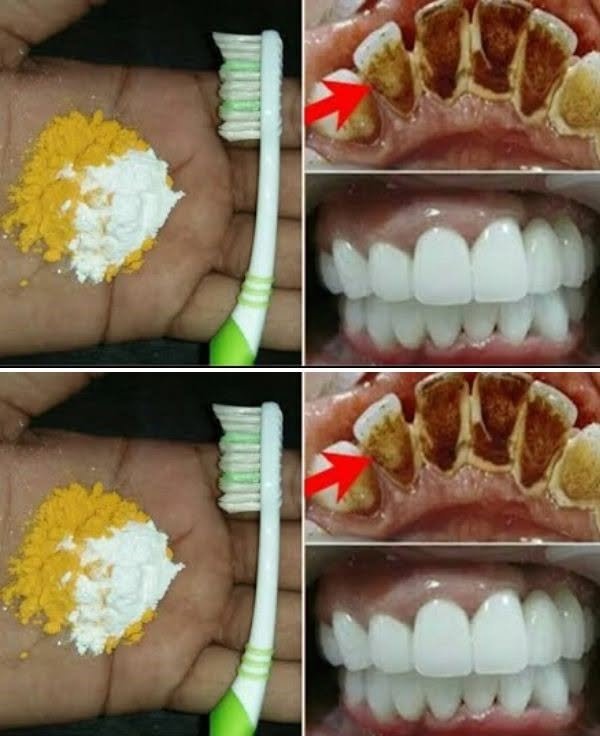
Home Teeth Whitening: Get Whiter Teeth in Just 2 Minutes! Safe Tips for a Brighter Smile
Home Teeth Whitening: Get Whiter Teeth in Just 2 Minutes! Safe Tips for a Brighter Smile
A bright, healthy-looking smile can make a wonderful first impression. However, teeth can gradually lose their natural whiteness due to coffee, tea, certain foods, smoking and the natural ageing process.
Many people spend money on expensive whitening treatments, hoping to achieve a brighter smile. Others turn to homemade remedies that promise dramatic results in just a few minutes.
But can you really whiten your teeth at home in only two minutes?
The truth is that brushing your teeth for two minutes can help remove surface stains and maintain a cleaner-looking smile, but it cannot dramatically change the natural colour of your teeth overnight.
The good news is that several safe and affordable methods can help improve the appearance of stained teeth over time.
Let’s explore how to whiten your teeth at home while protecting your enamel and gum health.
Why Do Teeth Become Yellow?
Before choosing a whitening method, it helps to understand why teeth lose their brightness.
Several factors can contribute to yellow or discoloured teeth:
- Coffee and tea: Regular consumption can leave stains on the tooth surface.
- Smoking: Tobacco products can cause stubborn yellow or brown stains.
- Ageing: The outer enamel gradually becomes thinner, allowing the naturally yellow dentine underneath to become more visible.
- Certain foods: Dark-coloured foods and drinks can contribute to surface staining.
- Poor oral hygiene: Plaque buildup can make teeth appear dull or discoloured.
- Certain medications: Some medicines can cause changes in tooth colour, particularly when exposure occurs during tooth development.
Not all tooth discolouration is the same. Surface stains may respond to whitening toothpaste, while deeper discolouration may require professional dental treatment.
1. Brush Your Teeth for Two Minutes
One of the simplest ways to maintain a brighter smile is to brush your teeth properly twice a day.
Brushing helps remove plaque, food particles and some surface stains before they accumulate.
For best results:
- Use a soft-bristled toothbrush.
- Choose a fluoride toothpaste.
- Brush gently for two minutes.
- Clean the front, back and chewing surfaces of your teeth.
- Avoid brushing too aggressively.
An electric toothbrush can also help improve plaque removal when used correctly.
Remember that brushing cleans your teeth, but it does not provide the same whitening effect as a professional whitening treatment.
2. Try a Whitening Toothpaste
Whitening toothpastes are designed to help remove certain surface stains.
Many contain mild polishing ingredients that help clean away discolouration caused by coffee, tea and food.
Some products also contain ingredients such as hydrogen peroxide in carefully controlled concentrations.
When choosing a whitening toothpaste, look for a reputable product that contains fluoride and is suitable for everyday use.
Avoid highly abrasive products, as excessive abrasion can wear down enamel over time.
3. Use Dentist-Approved Whitening Strips
Whitening strips are among the more effective at-home options for improving tooth colour.
They generally contain a peroxide-based whitening ingredient that helps break down stains.
Depending on the product, results may become noticeable after several days of consistent use.
To use them safely:
- Choose a reputable product.
- Follow the manufacturer’s instructions.
- Never leave the strips on longer than recommended.
- Avoid using multiple whitening products simultaneously.
- Stop if you experience significant tooth sensitivity or gum irritation.
People with existing dental problems should consult a dentist before starting whitening treatment.
4. Maintain Good Oral Hygiene
Sometimes, teeth appear yellow simply because plaque and surface deposits have accumulated.
A consistent oral-care routine can help restore a cleaner appearance.
Make sure you:
- Brush twice daily with fluoride toothpaste.
- Clean between your teeth every day using floss or interdental brushes.
- Brush your tongue gently.
- Attend regular dental check-ups.
- Have professional cleaning when recommended.
Professional dental cleaning can remove hardened tartar and certain external stains that ordinary brushing cannot remove.
5. Rinse Your Mouth With Water After Coffee and Tea
Coffee and tea are common causes of surface tooth staining.
You do not necessarily need to stop drinking them completely. However, a few simple habits may help reduce staining.
Try drinking water after consuming dark-coloured beverages.
You can also avoid slowly sipping coffee or tea throughout the day, as frequent exposure increases contact with your teeth.
If you drink acidic beverages, rinse with water and wait approximately 30–60 minutes before brushing to protect softened enamel.
6. Avoid Smoking and Tobacco Products
Tobacco is one of the major causes of stubborn tooth discolouration.
Nicotine and tar can contribute to yellow or brown stains that become increasingly difficult to remove.
Smoking also increases the risk of gum disease, tooth loss and oral cancer.
Quitting tobacco can improve your overall oral health and help prevent further staining.
7. Consider Professional Teeth Whitening
If you want a more noticeable whitening result, professional dental treatment may be worth considering.
Dentists can assess the cause of discolouration and recommend an appropriate whitening method.
Professional options include:
- Dentist-supervised whitening trays.
- In-office peroxide-based whitening.
- Custom whitening treatments.
Professional whitening is generally more predictable than unverified homemade remedies.
However, it is not suitable for everyone. Existing cavities, gum disease, exposed roots and severe sensitivity may need treatment first.
Also remember that whitening products do not change the colour of crowns, veneers or fillings.
Homemade Teeth Whitening Remedies: What Should You Avoid?
Many online videos recommend using kitchen ingredients to whiten teeth quickly. Unfortunately, some of these methods can damage enamel and irritate gums.
Avoid the following:
Lemon juice: Its acidity can erode tooth enamel and increase sensitivity.
Vinegar: Regular application can damage the protective enamel layer.
Charcoal powder: There is insufficient evidence that charcoal safely whitens teeth, and abrasive products may wear down enamel.
Household bleach: Never apply household bleach to your teeth. It can cause serious chemical burns and tissue damage.
Excessive baking soda: Although baking soda is used in some formulated toothpastes, rubbing concentrated homemade mixtures onto teeth is not a reliable or recommended whitening treatment.
Natural does not automatically mean safe.
How Long Does Home Teeth Whitening Take?
The time required depends on the whitening method and the type of stains.
| Whitening method | Expected result |
|---|---|
| Regular brushing | Helps remove surface stains and plaque |
| Whitening toothpaste | Gradual improvement over several weeks |
| Whitening strips | Often noticeable results over several days to a few weeks |
| Dentist-supervised whitening | Results may appear over several days or through an in-office session |
| Professional cleaning | Removes plaque, tartar and certain external stains |
Individual results vary depending on the original tooth colour, enamel condition and type of discolouration.
Final Thoughts
A brighter smile does not require dangerous homemade treatments or aggressive brushing.
Although you cannot dramatically whiten your teeth in just two minutes, good oral hygiene can help remove surface deposits and keep your smile looking clean.
For more noticeable whitening, consider dentist-approved whitening toothpaste, peroxide-based products or professional dental treatment.
Remember: Protecting your enamel is just as important as achieving whiter teeth. A healthy smile will always be more valuable than a quick whitening shortcut.
Medical Disclaimer: This article is for general educational purposes only and does not replace professional dental advice. Consult a qualified dentist before starting whitening treatment, particularly if you have sensitive teeth, cavities, gum disease or existing dental restorations.