10 Warning Signs of Stroke One Month Before – Unbelievable Signs You Should Never Ignore!
10 Warning Signs of Stroke One Month Before – Unbelievable Signs You Should Never Ignore!
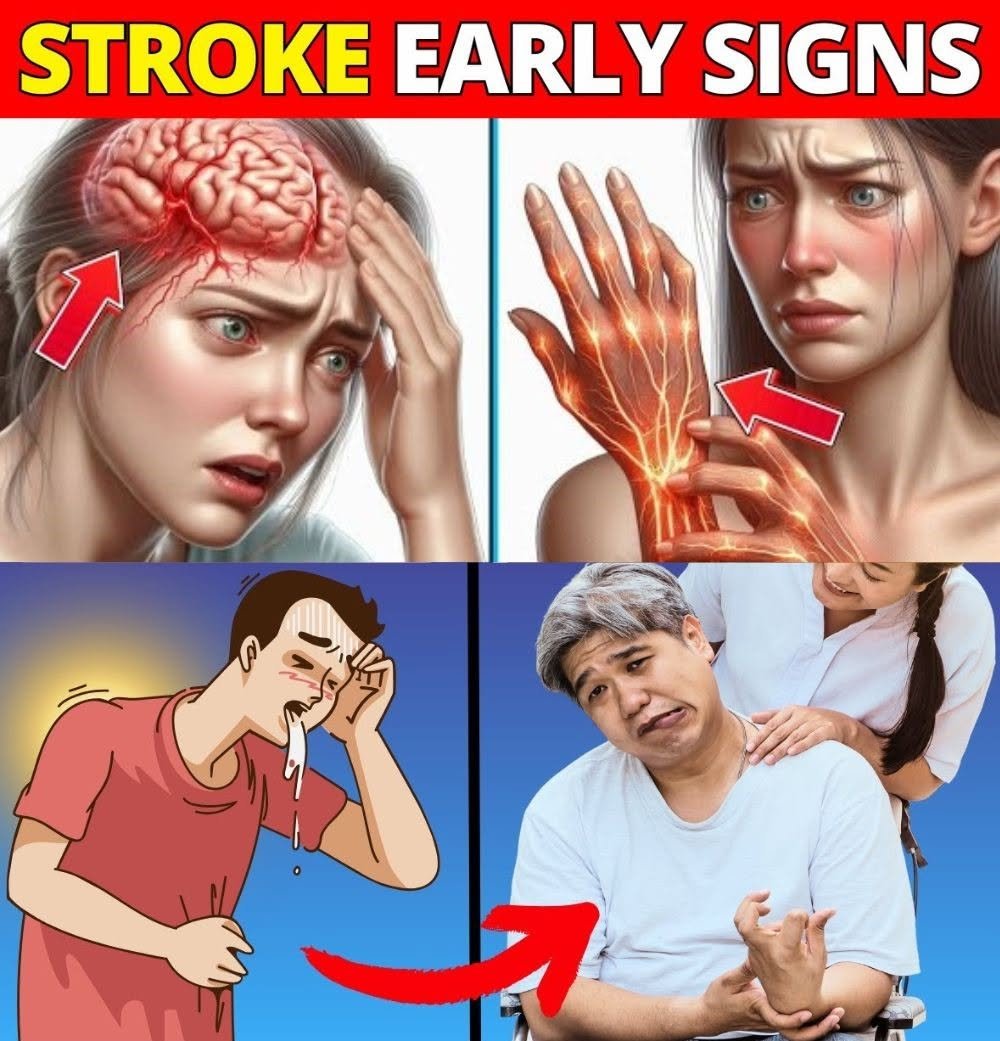
A stroke is a serious medical emergency that can happen suddenly and change a person’s life in minutes. While many people believe that a stroke always comes without warning, certain symptoms may appear before a major stroke, particularly in people who experience a transient ischemic attack (TIA), commonly known as a mini-stroke.
Recognising these symptoms is extremely important. Some warning signs may disappear within minutes, leading people to believe that everything is fine. However, temporary stroke-like symptoms should never be ignored because they may indicate an increased risk of a future stroke.
Although there is no scientifically established pattern of warning signs that reliably appears one month before a stroke, understanding the symptoms can help you recognise a medical emergency and seek treatment quickly.
Let’s explore 10 important warning signs that everyone should know.
1. Sudden Weakness in the Arms or Legs
One of the most recognisable warning signs of a stroke is sudden weakness in an arm or leg, particularly on one side of the body.
You may notice difficulty lifting one arm, holding objects, walking normally or performing everyday activities. Some people experience a strange feeling of heaviness or loss of strength.
Sudden weakness should never be dismissed as ordinary tiredness, especially when it affects one side of the body.
2. Facial Drooping or Uneven Smiling
Facial drooping is another important symptom associated with stroke.
You may notice that one side of the face appears lower than the other. A person may struggle to smile evenly, close one eye or control the muscles around their mouth.
This happens when a stroke affects the parts of the brain responsible for controlling facial muscles.
If someone suddenly develops an uneven smile or facial weakness, seek emergency medical assistance immediately.
3. Sudden Vision Problems
Changes in vision can sometimes indicate a problem with the blood supply to the brain or the eyes.
Possible symptoms include:
- Blurred or double vision.
- Sudden loss of vision in one eye.
- Difficulty seeing objects clearly.
- Sudden loss of part of the visual field.
Some people may experience temporary vision loss that improves after a few minutes. Even if vision returns to normal, this symptom requires urgent medical assessment.
4. Unexplained Dizziness and Loss of Balance
Feeling dizzy occasionally is common, but sudden and unexplained dizziness accompanied by difficulty walking or maintaining balance can be a warning sign of stroke.
A person may feel as though the room is spinning, struggle to stand properly or suddenly lose coordination.
Strokes affecting the back part of the brain can cause severe balance and coordination problems.
If dizziness begins suddenly, particularly alongside vision changes, weakness or speech difficulties, emergency assessment is essential.
5. Sudden Difficulty Speaking or Understanding Others
Speech problems are among the most important symptoms of a stroke.
A person may suddenly struggle to find the right words, speak clearly or understand what someone else is saying.
You may notice:
- Slurred or unclear speech.
- Difficulty forming sentences.
- Confusion during conversations.
- Trouble understanding simple instructions.
- Difficulty finding familiar words.
These symptoms can occur when a stroke affects the brain regions responsible for language and communication.
Never assume sudden speech difficulties are simply caused by tiredness or stress.
6. Unusual Numbness or Tingling on One Side
Sudden numbness or loss of sensation in the face, arm or leg can indicate a neurological problem.
Some people describe the sensation as pins and needles, while others experience complete loss of feeling.
Although numbness can have many causes, sudden numbness affecting one side of the body is particularly concerning.
If it occurs alongside facial drooping, weakness, vision problems or speech difficulties, treat it as a possible stroke.
7. Sudden and Severe Headache
A sudden, extremely severe headache can sometimes indicate a serious neurological emergency, including bleeding in or around the brain.
This type of headache may feel different from ordinary headaches. Some people describe it as the worst headache they have ever experienced.
It may be accompanied by vomiting, neck stiffness, confusion or loss of consciousness.
Not every headache is a sign of stroke. However, a sudden, explosive or unusually severe headache requires immediate medical evaluation.
8. Difficulty Swallowing
Difficulty swallowing, medically known as dysphagia, can occur when a stroke affects the muscles and nerves responsible for swallowing.
A person may experience coughing while eating, choking on liquids or difficulty moving food from the mouth into the throat.
Sudden swallowing difficulties should not be ignored, especially when accompanied by other neurological symptoms.
There is also a risk of food or liquid entering the lungs, which can lead to serious complications.
9. Sudden Confusion or Memory Problems
A stroke can affect the brain’s ability to process information, understand language and organise thoughts.
Some people may suddenly become confused, struggle to recognise familiar surroundings or find it difficult to follow conversations.
They may also have trouble understanding simple instructions or responding appropriately to questions.
Although confusion can result from several medical conditions, sudden unexplained confusion should always be taken seriously.
10. Temporary Stroke-Like Symptoms (Mini-Stroke)
One of the most important warning signs to recognise is a transient ischemic attack (TIA), often called a mini-stroke.
A TIA happens when blood flow to part of the brain is temporarily interrupted. It can produce symptoms similar to a full stroke, including:
- Sudden weakness in the face, arm or leg.
- Temporary vision loss.
- Difficulty speaking.
- Sudden dizziness or loss of coordination.
- Numbness affecting one side of the body.
The symptoms may disappear within minutes or hours, but that does not mean the danger has passed.
A TIA is an important warning of increased stroke risk and requires immediate medical assessment, even if the person feels completely normal again.
Can a Stroke Really Be Predicted One Month in Advance?
There is no reliable medical test or recognised pattern that can predict a stroke exactly one month before it happens.
However, some people experience a TIA before a major stroke. A TIA can occur days or even weeks before a subsequent stroke, although the timing varies and many strokes occur without a preceding TIA.
The most important thing is to recognise sudden neurological symptoms and seek emergency medical help rather than waiting for them to disappear.
7 Major Risk Factors That Increase Your Chances of Stroke
Understanding the risk factors is just as important as recognising the symptoms.
1. High Blood Pressure: Uncontrolled hypertension is one of the leading risk factors for stroke because it damages blood vessels over time.
2. Diabetes: High blood sugar can damage blood vessels and increase the risk of cardiovascular complications.
3. High Cholesterol: Excess cholesterol can contribute to the formation of plaques that narrow or block arteries supplying blood to the brain.
4. Smoking: Smoking damages blood vessels, increases blood clotting and raises the risk of stroke.
5. Physical Inactivity: A sedentary lifestyle can contribute to high blood pressure, obesity and other stroke risk factors.
6. Heart Conditions: Atrial fibrillation, an irregular heartbeat, can increase the risk of blood clots travelling to the brain.
7. Obesity: Excess body weight can increase the likelihood of developing high blood pressure, diabetes and other conditions associated with stroke.
How Can You Reduce Your Risk of Stroke?
Although not every stroke can be prevented, adopting healthier habits and managing existing medical conditions can significantly reduce your risk.
Here are some practical steps:
- Monitor your blood pressure regularly.
- Maintain healthy blood sugar and cholesterol levels.
- Eat a balanced diet rich in vegetables, fruits, whole grains and healthy fats.
- Exercise regularly, aiming for at least 150 minutes of moderate physical activity each week.
- Avoid smoking and tobacco products.
- Maintain a healthy body weight.
- Limit excessive salt intake.
- Take prescribed medications as directed by your doctor.
- Attend regular health check-ups, particularly if you have cardiovascular risk factors.
If you have atrial fibrillation or a previous TIA, discuss an appropriate stroke-prevention plan with your healthcare professional.
Final Thoughts
A stroke does not always provide advance warning, and there is no guaranteed way to identify one month before it happens. However, recognising symptoms such as sudden weakness, facial drooping, speech difficulties, vision changes and temporary stroke-like episodes can make a life-saving difference.
Remember the simple FAST test: Face, Arms, Speech and Time.
If you or someone around you develops sudden stroke symptoms, call emergency services immediately. Do not wait to see whether the symptoms improve, even if they disappear after a few minutes.
Acting quickly can save a life and reduce the risk of permanent disability.
Medical Disclaimer: This article is intended for general educational purposes and should not replace professional medical advice, diagnosis or treatment. If you suspect a stroke or TIA, seek emergency medical attention immediately.