What Chin Hair in Women Really Says About Hormones: Causes, PCOS, Menopause, and Treatment
What Chin Hair in Women Really Says About Hormones: Causes, PCOS, Menopause, and Treatment
What Chin Hair in Women Really Says About Hormones
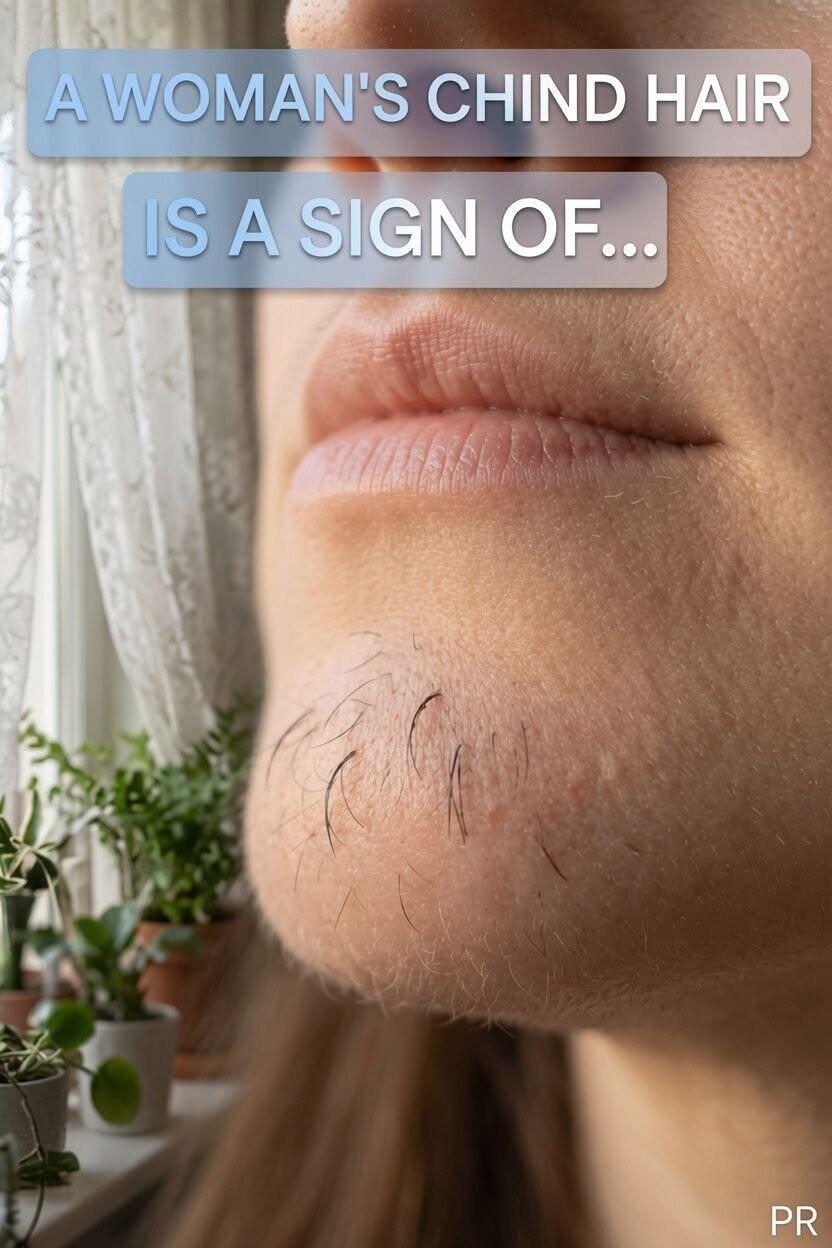
Have you recently noticed a dark, coarse hair growing on your chin?
At first, it may be just one hair. Then another. Before long, you may find yourself reaching for tweezers more often than you’d like.
If this sounds familiar, you’re not alone. Many women experience increased chin hair as they age, particularly during hormonal changes such as perimenopause and menopause. While a few chin hairs are usually a normal part of aging, sudden or excessive facial hair growth may sometimes indicate an underlying hormonal condition.
Understanding the possible causes can help you decide whether your chin hair is simply a cosmetic concern or something worth discussing with a healthcare professional.
Is It Normal for Women to Grow Chin Hair?
Yes. Most women naturally have fine facial hair, often called vellus hair or “peach fuzz.” As hormone levels change with age, some of these hairs may become:
- Darker
- Thicker
- Coarser
- More noticeable
Finding an occasional chin hair is common and usually harmless.
However, rapid or excessive hair growth—especially when accompanied by other symptoms—may warrant medical evaluation.
The Hormones Behind Chin Hair Growth
The primary hormones responsible for increased facial hair are androgens, including testosterone.
Although often referred to as “male hormones,” women naturally produce small amounts of androgens. These hormones play important roles in:
- Muscle strength
- Bone health
- Energy production
- Libido (sex drive)
- Hair growth
When androgen levels increase—or when hair follicles become more sensitive to these hormones—women may develop thicker hair in areas such as:
- Chin
- Upper lip
- Jawline
- Chest
- Abdomen
This pattern of excessive hair growth is called hirsutism.
What Is Hirsutism?
Hirsutism is the growth of coarse, dark hair in women in areas where men typically grow hair.
It affects millions of women worldwide and ranges from mild to severe. While hirsutism itself is not usually dangerous, it can sometimes be a sign of an underlying hormonal imbalance that deserves medical attention.
PCOS: One of the Most Common Causes
One of the leading causes of excessive facial hair in women is Polycystic Ovary Syndrome (PCOS).
PCOS is a hormonal disorder that affects many women during their reproductive years and is often associated with increased androgen levels and insulin resistance.
Common Symptoms of PCOS
- Increased facial or body hair
- Irregular menstrual cycles
- Persistent acne
- Weight gain
- Difficulty losing weight
- Thinning hair on the scalp
- Fertility challenges
If you have several of these symptoms, speak with a healthcare provider for proper evaluation.
Menopause and Chin Hair
Many women first notice chin hairs becoming more noticeable during perimenopause or menopause.
As estrogen levels decline, the balance between estrogen and androgens changes. Even if testosterone levels remain stable, its effects may become more visible.
Common menopause-related changes include:
- New chin hairs
- Increased facial hair
- Scalp hair thinning
- Dry skin
- Changes in skin texture
For most women, occasional chin hairs during menopause are a normal part of the aging process.
Genetics May Be the Reason
Sometimes there is no underlying medical condition.
This is known as idiopathic hirsutism, where hormone levels are normal but hair follicles are naturally more sensitive to androgens.
Women with idiopathic hirsutism usually have:
- Normal hormone levels
- Regular menstrual cycles
- No evidence of hormonal disorders
If your mother, grandmother, or sisters experienced similar facial hair growth, genetics may be a significant factor.
Can Medications Cause Chin Hair?
Yes. Certain medications may increase facial hair growth as a side effect.
These include:
- Testosterone therapy
- Anabolic steroids
- Some hormone treatments
- Minoxidil (used for certain types of hair loss)
Never stop taking a prescribed medication without consulting your healthcare provider.
Rare Medical Conditions Linked to Excess Facial Hair
Although less common, certain medical conditions may also contribute to increased facial hair growth.
Cushing’s Syndrome
Cushing’s syndrome results from prolonged exposure to high levels of cortisol.
Possible symptoms include:
- Weight gain
- Rounded (“moon”) face
- High blood pressure
- Easy bruising
- Increased facial or body hair
Adrenal Gland Disorders
The adrenal glands produce several hormones, including androgens.
Certain adrenal disorders may increase androgen production, leading to excessive facial hair growth. These conditions are uncommon and are usually considered when other symptoms are also present.
Is Chin Hair a Sign of Poor Health?
Not necessarily.
For many women, occasional chin hairs are completely normal.
However, you should pay attention if facial hair growth is:
- Sudden
- Rapidly increasing
- Widespread
- Accompanied by irregular periods
- Associated with severe acne
- Accompanied by voice deepening
- Linked with scalp hair thinning
These symptoms may suggest a hormonal imbalance that should be evaluated by a healthcare professional.
Treatment Options for Unwanted Chin Hair
Treatment depends on the underlying cause and your personal preferences.
Temporary Hair Removal
- Tweezing
- Threading
- Waxing
- Shaving
- Depilatory creams
Long-Term Hair Removal
- Laser hair removal
- Electrolysis
Medical Treatment
If a hormonal condition is responsible, your healthcare provider may recommend:
- Hormonal medications
- Certain birth control pills
- Anti-androgen medications
- PCOS management strategies
The best treatment depends on your individual medical history and the cause of the hair growth.
Frequently Asked Questions
Is it normal to grow chin hair after age 40?
Yes. Hormonal changes during perimenopause and menopause commonly make facial hair more noticeable.
Does one chin hair mean I have a hormone imbalance?
No. A few isolated chin hairs are common and usually not a sign of disease.
Can stress cause chin hair?
Stress can affect hormone levels indirectly, but it is not considered a primary cause of hirsutism.
Is chin hair always caused by PCOS?
No. While PCOS is a common cause, genetics, menopause, medications, and other hormonal conditions can also contribute.
When should I see a doctor?
Consult a healthcare provider if facial hair appears suddenly, increases rapidly, or occurs with symptoms such as irregular periods, severe acne, scalp hair loss, or voice changes.
Final Thoughts
Discovering chin hair can be surprising, but in many cases it is simply a normal part of aging, hormonal changes, or genetics.
However, if facial hair growth becomes excessive or is accompanied by other hormonal symptoms, it may be an early sign of an underlying medical condition such as PCOS or another endocrine disorder.
Understanding the cause is the first step toward choosing the most appropriate treatment. If something feels unusual or your symptoms are changing, speak with a qualified healthcare professional for a proper evaluation and personalized advice.
Medical Disclaimer: This article is for informational purposes only and does not replace professional medical advice, diagnosis, or treatment. If you have concerns about excessive facial hair or hormonal changes, consult a qualified healthcare provider.