If Your Legs Cramp at Night, Don’t Ignore It: What Your Body May Be Telling You
If Your Legs Cramp at Night, Don’t Ignore It: What Your Body May Be Telling You
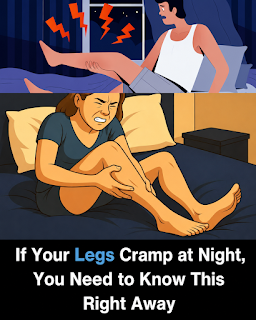
Waking up suddenly with a painful leg cramp can be frightening, frustrating, and exhausting. One moment you’re sleeping peacefully; the next, your calf, foot, or thigh suddenly tightens into a painful knot.
Most nighttime leg cramps are harmless and go away within minutes. However, if they happen frequently, become severe, or occur alongside other symptoms, they may deserve closer attention.
The good news is that several simple habits can help reduce nighttime cramping and improve overall muscle health.
What Are Nighttime Leg Cramps?
Nighttime leg cramps are sudden, involuntary muscle contractions that commonly affect the:
- Calf
- Foot
- Thigh
The affected muscle may become hard or visibly tense. After the cramp releases, soreness can sometimes remain for several hours.
Occasional cramps are common, and in many cases the exact cause isn’t clear.
However, several factors may increase the likelihood of experiencing them.
1. Dehydration May Play a Role
Not drinking enough fluids throughout the day can contribute to muscle discomfort and may increase the likelihood of cramping in some people.
The risk may be greater during:
- Hot weather
- Exercise
- Heavy sweating
- Illness involving fluid loss
Try to drink fluids regularly throughout the day rather than waiting until you become very thirsty.
Dark urine and persistent thirst can be signs that you may need more fluids, although urine color can also be affected by foods and medications.
2. Electrolyte Imbalances
Muscles depend on minerals such as:
- Magnesium
- Potassium
- Calcium
- Sodium
These electrolytes are involved in normal nerve and muscle function.
An imbalance can occur for various reasons, including heavy sweating, certain illnesses, dietary problems, or medications.
Rather than automatically taking supplements, focus first on a balanced diet containing foods such as:
- Bananas
- Leafy green vegetables
- Beans
- Yogurt
- Nuts and seeds
- Dairy products
- Fruits and vegetables
If you suspect an electrolyte problem, especially if you take medications that affect fluid balance, speak with a healthcare professional before taking high-dose supplements.
3. Muscle Fatigue and Overuse
Have you spent the day walking more than usual, exercising intensely, or standing for many hours?
Muscle fatigue can sometimes contribute to nighttime cramps.
This may be particularly noticeable after:
- Long walks
- Running
- Heavy leg workouts
- Extended periods of standing
- Unusual physical activity
Allowing your muscles to recover, staying hydrated, and performing gentle stretches may help.
4. Sitting or Staying in One Position for Too Long
Long periods of sitting or standing can contribute to leg discomfort.
If your daily routine keeps you in one position for hours, try taking short movement breaks.
For example:
Get up every so often.
Walk around for a few minutes.
Move your ankles and feet.
Gently stretch your calves.
Regular movement supports general leg health and can help prevent stiffness.
5. Some Medical Conditions Can Be Associated With Leg Cramps
Frequent cramps can sometimes occur alongside certain medical conditions, including:
- Diabetes
- Thyroid disorders
- Nerve problems
- Kidney disease
- Peripheral artery disease
Certain medications may also contribute to muscle cramps in some people.
Examples include some diuretics and cholesterol-lowering medications.
If your cramps started after beginning a new medication, don’t stop the medication on your own. Instead, discuss the symptoms with your healthcare professional.
🚨 When Leg Cramps May Need Medical Attention
Nighttime cramps deserve more attention when they are:
- Happening several times a week
- Becoming increasingly painful
- Persisting for unusually long periods
- Regularly disturbing your sleep
- Associated with weakness
- Associated with numbness or tingling
- Accompanied by swelling
- Associated with redness or skin-color changes
These symptoms don’t necessarily mean you have a serious disease, but they can help a healthcare professional determine whether further evaluation is appropriate.
What To Do When a Leg Cramp Strikes
When a painful cramp wakes you up, try to remain calm.
Step 1: Gently Stretch
For a calf cramp, slowly straighten the leg and gently pull the toes toward your face.
Don’t force the movement.
Step 2: Massage the Muscle
Gently massage the cramped area with your hands until the muscle begins to relax.
Step 3: Try Walking
If you’re able to stand safely, slowly walk around for a short time.
Movement can sometimes help the muscle relax.
Step 4: Use Warmth
A warm towel, shower, or heating pad may help relax a tight muscle.
Avoid excessively hot temperatures that could burn the skin.
Step 5: Rest Afterwards
The muscle may remain tender after the cramp ends. Give it time to recover and avoid strenuous exercise until it feels comfortable again.
Simple Habits That May Help Prevent Nighttime Cramps
There is no guaranteed way to prevent every leg cramp, but several healthy habits may help.
💧 Stay Hydrated
Drink fluids consistently throughout the day.
Increase fluid intake when you’re sweating heavily or exercising, while following any fluid restrictions recommended by your healthcare professional.
🥬 Eat a Balanced Diet
Include a variety of fruits, vegetables, legumes, whole grains, dairy products, nuts, and seeds.
This provides a range of nutrients needed for normal muscle function.
🧘 Stretch Before Bed
Gentle calf and hamstring stretches before bedtime may help some people who experience recurring nighttime cramps.
Avoid aggressive stretching that causes pain.
🚶 Stay Active
Regular physical activity supports muscle strength and general circulation.
If you’re currently inactive, start gradually rather than suddenly increasing exercise intensity.
👟 Wear Comfortable, Supportive Shoes
Appropriate footwear can reduce unnecessary strain on your feet and legs during daily activities.
Should You Take Magnesium for Nighttime Cramps?
Magnesium is often promoted online as a solution for nighttime leg cramps.
However, magnesium supplements do not reliably prevent cramps in every person, and supplementation is not automatically appropriate for everyone.
People with certain kidney conditions or those taking specific medications should be especially cautious about taking mineral supplements without professional guidance.
If you frequently experience cramps, it’s better to identify possible causes rather than automatically assuming you have a magnesium deficiency.
What About Bananas?
Bananas are a nutritious source of potassium and can be part of a balanced diet.
However, eating a banana immediately before bed is not a guaranteed treatment for nighttime cramps.
A varied diet is generally more useful than relying on one food.
Could Poor Circulation Be the Cause?
Sometimes leg discomfort is associated with circulation problems, but not every nighttime cramp means you have poor circulation.
If you notice persistent leg pain with walking, cold feet, unusual skin-color changes, sores that don’t heal, or other circulation-related symptoms, seek medical evaluation.
🚨 Don’t Confuse a Cramp With a Blood Clot
A typical nighttime cramp is a sudden muscle contraction that usually resolves within minutes.
A blood clot in a deep vein, known as deep vein thrombosis (DVT), can present differently.
Seek urgent medical evaluation if you develop new swelling, warmth, redness, or persistent pain in one leg, particularly if symptoms are unusual for you.
If leg symptoms are accompanied by sudden chest pain, difficulty breathing, coughing up blood, or fainting, seek emergency medical care immediately.
When Should You Talk to a Doctor?
Make an appointment with a healthcare professional if:
- Cramps repeatedly wake you from sleep.
- They occur several nights a week.
- They are becoming more severe.
- They interfere with your daily activities.
- You develop weakness or numbness.
- One leg becomes swollen or changes color.
- You recently started a medication and the cramps began afterward.
- You have an underlying medical condition that could affect your muscles, nerves, kidneys, or circulation.
A healthcare professional can review your medications, medical history, diet, hydration, and symptoms and decide whether additional testing is necessary.
A Simple Nighttime Routine
If nighttime cramps are a recurring problem, try this simple routine before bed:
1. Drink fluids appropriately throughout the day.
2. Take a few minutes to gently stretch your calves.
3. Avoid unusually strenuous exercise late in the evening if it triggers cramps.
4. Make sure your sleeping position is comfortable.
5. Keep a record of when cramps occur and what you did that day.
Tracking patterns can sometimes help identify triggers.
Final Thoughts
Nighttime leg cramps are common, and an occasional episode usually isn’t a reason to panic.
However, frequent or severe cramps shouldn’t simply be accepted as a normal part of getting older.
Good hydration, balanced nutrition, regular movement, muscle recovery, and gentle stretching may help reduce discomfort for some people.
And if cramps repeatedly disturb your sleep—or appear together with swelling, weakness, numbness, skin changes, or other unusual symptoms—talk with a healthcare professional.
Your body may not be sending a warning every time your leg cramps, but recurring symptoms are worth paying attention to.
A few healthy changes may lead to more comfortable nights and better mornings.
Disclaimer: This article is for educational purposes only and is not intended to diagnose, treat, cure, or prevent any disease. If you experience severe or unusual leg symptoms, persistent swelling, weakness, numbness, or symptoms involving chest pain or difficulty breathing, seek appropriate medical care promptly.