Ginger: A Powerful Root with Important Precautions
Ginger: A Powerful Root with Important Precautions
Ginger has been used for centuries in both cooking and traditional medicine. Modern research supports many of its potential benefits, including helping relieve nausea, supporting digestion, and providing anti-inflammatory and antioxidant compounds.
For most healthy people, using ginger in foods or tea is safe. However, concentrated forms—such as supplements, extracts, or large medicinal doses—may not be appropriate for everyone.
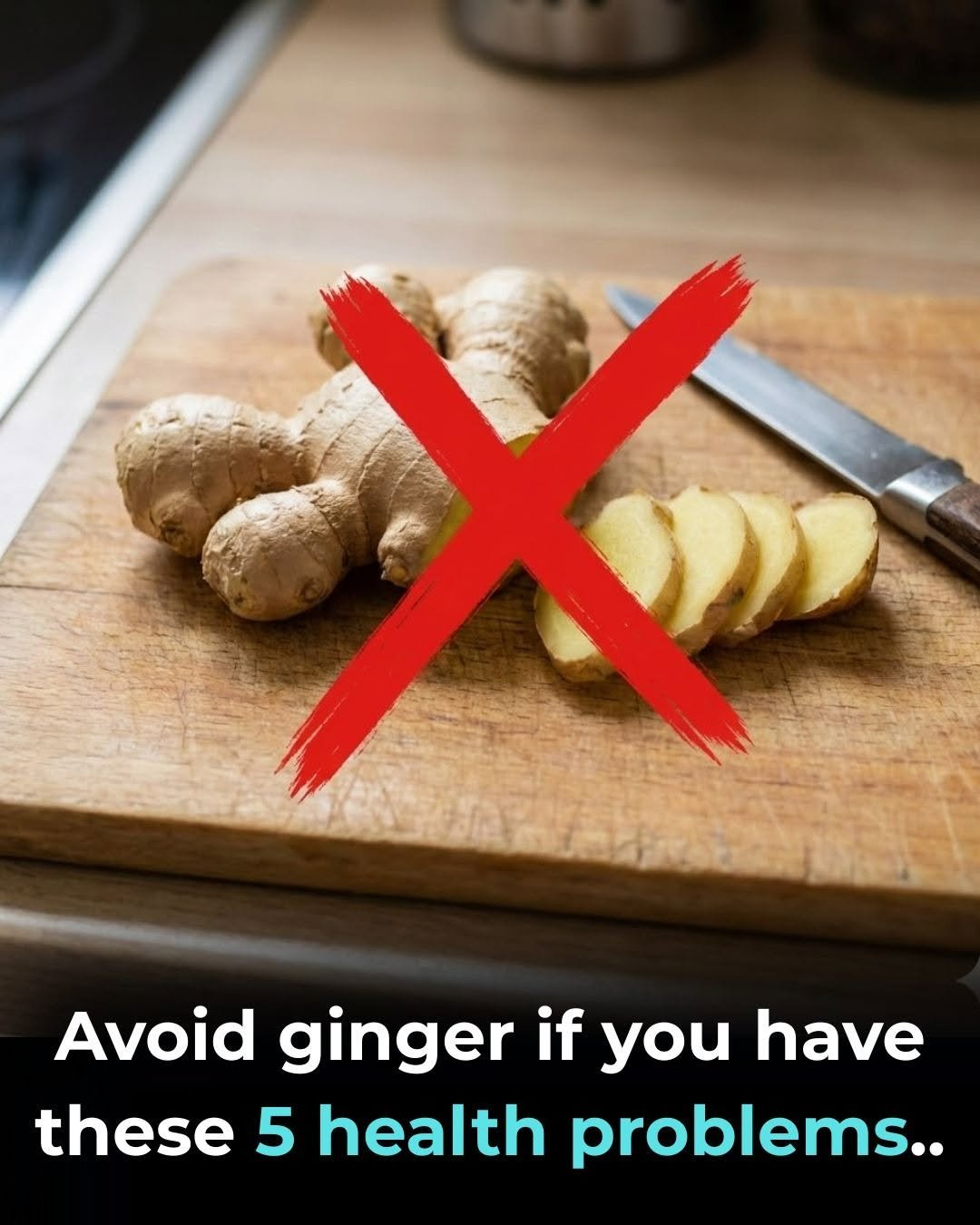
Here are five situations where it’s wise to talk with your healthcare provider before using high amounts of ginger.
1. Bleeding Disorders or Blood-Thinning Medications
Ginger may have mild blood-thinning (antiplatelet) effects, particularly in larger doses.
Use caution if you:
- Take blood thinners such as warfarin, apixaban, rivaroxaban, or clopidogrel
- Take daily aspirin unless prescribed otherwise
- Have a bleeding disorder
- Are scheduled for surgery
Using ginger in cooking is generally considered safe, but supplements should only be taken after discussing them with your healthcare provider.
2. Gallstones or Gallbladder Disease
Ginger may stimulate bile production, which helps digest fats.
For most people, this isn’t a problem. However, if you have:
- Gallstones
- Blocked bile ducts
- Active gallbladder disease
large amounts of ginger could potentially worsen symptoms in some individuals.
If you have a history of gallbladder problems, ask your healthcare provider before taking ginger supplements.
3. Heart Conditions or Blood Pressure Medication
Some research suggests that high doses of ginger may slightly lower blood pressure or affect heart rhythm in certain people.
Extra caution is recommended if you:
- Take blood pressure medication
- Have an irregular heartbeat
- Have uncontrolled heart disease
Most people can safely enjoy ginger as a spice or tea, but concentrated supplements should be discussed with your doctor.
4. Acid Reflux, Stomach Ulcers, or Active Digestive Disorders
Although ginger often helps relieve nausea and mild indigestion, it doesn’t work the same way for everyone.
Large amounts may worsen symptoms in people with:
- Gastroesophageal reflux disease (GERD)
- Active stomach ulcers
- Gastritis
- Crohn’s disease or ulcerative colitis during flare-ups
If ginger seems to increase heartburn or stomach discomfort, reduce the amount or stop using it and speak with a healthcare professional.
5. Pregnancy
Ginger is commonly recommended in small amounts to help relieve morning sickness during early pregnancy.
However, high-dose ginger supplements should only be used under medical supervision, especially:
- Late in pregnancy
- If you have a bleeding disorder
- If you’ve experienced pregnancy complications
Always follow your obstetrician’s or midwife’s advice before taking herbal supplements during pregnancy.
Potential Health Benefits of Ginger
When consumed as part of a balanced diet, ginger may help:
- Support healthy digestion
- Relieve mild nausea and motion sickness
- Reduce inflammation
- Provide antioxidants that protect cells
- Ease some muscle soreness after exercise
- Support immune function
These benefits are supported by varying levels of scientific evidence, but ginger is not a cure for any disease.
Safe Ways to Enjoy Ginger
Most people can safely include ginger in their daily meals by:
- Adding fresh ginger to stir-fries
- Brewing ginger tea
- Mixing grated ginger into soups
- Blending it into smoothies
- Using it in marinades and salad dressings
Using ginger as a spice is generally much safer than taking concentrated supplements.
Frequently Asked Questions
Is it safe to eat ginger every day?
For most healthy adults, moderate amounts of ginger used in cooking or tea are considered safe.
Can ginger lower blood sugar?
Some studies suggest ginger may have a modest effect on blood sugar, but it should never replace diabetes medication or medical treatment.
Can ginger interact with medications?
Yes. Ginger may interact with blood thinners, some blood pressure medications, and certain diabetes medications. If you take prescription medicines, consult your healthcare provider before using ginger supplements.
How much ginger is too much?
There is no single recommended amount for everyone. Most studies use between 1 and 3 grams of ginger per day, but the appropriate amount depends on your health and medications. Always follow medical advice when using ginger therapeutically.
Final Thoughts
Ginger is one of nature’s most versatile herbs, offering potential benefits for digestion, inflammation, and overall wellness. For most people, enjoying ginger in meals or tea is both safe and healthy.
However, if you have bleeding disorders, gallbladder disease, certain heart conditions, digestive disorders, or are pregnant, it’s important to speak with your healthcare provider before taking concentrated ginger supplements or consuming large medicinal amounts.
As with any natural remedy, moderation and personalized medical advice are the safest approach.