LIVER IS DYING! 12 Warning Signs Your Feet May Reveal About Your Liver Health
LIVER IS DYING! 12 Warning Signs Your Feet May Reveal About Your Liver Health
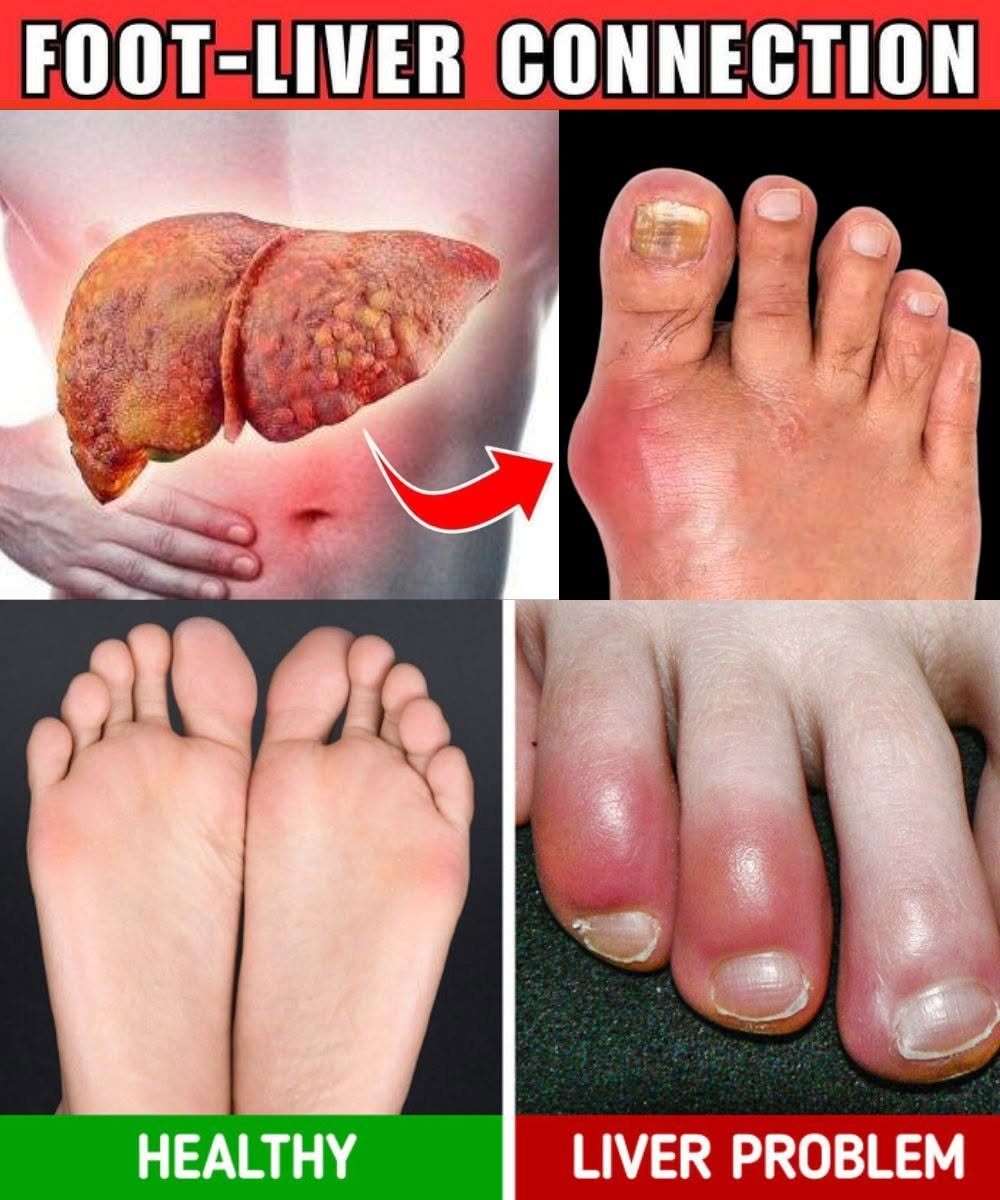
Your feet may reveal more about your general health than you realise. Changes such as swollen ankles, persistent itching, unusual skin colour and unexplained bruising can sometimes be associated with problems affecting the liver.
The liver is one of the body’s most important organs. It helps process nutrients, remove harmful substances, produce proteins and regulate several essential functions. When it becomes damaged, the effects can eventually appear throughout the body, including the legs and feet.
But here is something important: not every swollen foot or itchy ankle means your liver is failing. Many of these symptoms have other explanations, including circulation problems, kidney disease, diabetes and skin conditions.
In this article, we explore 12 possible warning signs, explain how they may relate to liver health and identify when you should seek medical attention.
1. Swollen Feet and Ankles
One of the more noticeable signs associated with advanced liver disease is swelling in the lower legs, ankles and feet.
This condition is known as peripheral oedema.
When the liver is severely damaged, it may produce insufficient albumin, a protein that helps keep fluid inside blood vessels. Advanced liver disease can also cause increased pressure in the blood vessels supplying the liver.
These changes can contribute to fluid accumulating in the tissues.
What to look for:
- Shoes suddenly feeling tighter.
- Swelling around both ankles.
- Puffy feet, particularly towards the end of the day.
- Skin that may retain a temporary indentation after being pressed.
Swelling can also result from heart, kidney or vein problems. Persistent or unexplained swelling deserves medical assessment.
2. Persistent Itching on Your Feet
Do your feet itch even when there is no visible rash, insect bite or obvious skin irritation?
Persistent itching can sometimes occur in liver and bile duct conditions.
When bile flow is disrupted, substances associated with bile can accumulate in the body and contribute to itching. It may affect the feet, hands or other areas and can become particularly troublesome at night.
Pay attention if:
- Your soles itch repeatedly.
- The itching occurs without an obvious rash.
- It becomes worse at night.
- Moisturisers and ordinary skin treatments do not help.
Itching alone does not diagnose liver disease, but persistent unexplained itching should be investigated.
3. Yellowing of the Skin on Your Feet
A yellowish colour developing in the skin can be a sign of jaundice.
Jaundice occurs when bilirubin, a yellow pigment produced during the breakdown of red blood cells, builds up in the body.
Liver disease is one possible cause, although problems involving the bile ducts and certain blood disorders can also cause it.
You might notice yellowing of the skin, including the feet. However, yellowing of the whites of the eyes is often a more useful visible warning sign.
Important: Yellowing of the eyes or skin requires urgent medical assessment. Do not wait for additional symptoms to appear.
4. Unexplained Bruising on Your Feet and Legs
Do you notice bruises appearing without remembering an injury?
Advanced liver disease can affect the body’s ability to produce proteins needed for normal blood clotting.
As a result, some people with significant liver damage may bruise or bleed more easily.
Possible signs include:
- Unexplained bruises on the legs.
- Frequent bruising around the ankles.
- Bleeding gums.
- Frequent nosebleeds.
- Cuts that take longer than expected to stop bleeding.
Bruising can also be caused by medication, vitamin deficiencies and blood disorders. Repeated unexplained bruising should be checked by a healthcare professional.
5. Painful Muscle Cramps in Your Feet
Sudden muscle cramps can occur in the feet, calves and legs.
People with advanced liver disease sometimes experience muscle cramps, which may be associated with changes in fluid balance, electrolyte disturbances, nutritional deficiencies and altered nerve or muscle function.
You may notice:
- Sudden tightening of the foot muscles.
- Painful cramps during the night.
- Repeated calf cramps.
- Muscle discomfort without obvious physical activity.
However, cramps are extremely common and are not specific to liver disease. Dehydration, medication and other medical conditions can also contribute.
6. Unusual Changes in Skin Colour
Changes in the appearance of your feet and lower legs may sometimes deserve attention.
Liver disease can cause jaundice, while some people with chronic liver conditions develop other skin changes.
Look for:
- Yellowish discolouration.
- Unexplained darkening of the skin.
- New or unusual skin marks.
- Changes accompanied by itching or swelling.
Not all skin discolouration is related to the liver. Diabetes, circulation problems, eczema and other skin conditions can produce similar changes.
A healthcare professional can help identify the underlying cause.
7. Reduced Muscle Mass in Your Legs and Feet
Significant liver disease can affect nutrition, metabolism and the body’s ability to maintain muscle.
Some people with advanced cirrhosis develop muscle wasting, a condition known as sarcopenia.
You might notice:
- Thinner legs.
- Reduced calf muscle size.
- General weakness.
- Difficulty climbing stairs.
- Reduced physical strength.
This is generally a broader change affecting the body rather than a specific foot symptom.
Unexplained muscle loss, especially when accompanied by fatigue or weight loss, should be medically investigated.
8. Spider-Like Blood Vessels on the Skin
Small, spider-shaped blood vessels are sometimes associated with chronic liver disease.
These are called spider angiomas or spider naevi.
They usually appear as a small central red spot with tiny blood vessels spreading outward.
They are more commonly noticed on the upper body, including the face, neck and chest, rather than the soles of the feet.
Although they can occur in people with cirrhosis, they can also appear in healthy individuals and during pregnancy.
Several new spider-like vessels alongside other symptoms may justify a medical assessment.
9. Swelling Accompanied by a Bloated Abdomen
If your feet and ankles are swelling while your abdomen is becoming unusually enlarged, it is important not to ignore the combination.
Advanced liver disease can cause fluid to accumulate in the abdominal cavity. This condition is called ascites.
It can occur alongside swelling in the legs and feet.
Possible warning signs include:
- Increasing abdominal size.
- A feeling of fullness or pressure.
- Rapid weight gain caused by fluid retention.
- Swollen ankles and feet.
- Discomfort or difficulty breathing when the swelling becomes severe.
New abdominal swelling, particularly alongside leg swelling, needs prompt medical assessment.
10. Dark Urine Alongside Other Symptoms
Dark urine is not a change in your feet, but it is an important accompanying warning sign to recognise.
When bilirubin builds up in the bloodstream, some can pass into the urine, making it unusually dark.
You may notice urine that looks:
- Dark brown.
- Tea-coloured.
- Much darker than usual despite normal hydration.
Dark urine can also result from dehydration, medication and other conditions.
If it occurs alongside yellow eyes, pale stools or persistent itching, seek urgent medical advice.
11. Pale or Unusually Light-Coloured Stools
Healthy stool is generally brown because of substances produced during the normal processing of bile.
When bile cannot reach the intestine properly, stools may become pale, grey or clay-coloured.
This can happen with certain liver and bile duct conditions.
Although it is not a foot symptom, it is an important clue when assessing possible liver problems.
Pay attention if pale stools occur alongside:
- Dark urine.
- Yellowing of the eyes.
- Itchy skin.
- Abdominal discomfort.
These symptoms should be assessed promptly.
12. Persistent Fatigue and Weakness Alongside Foot Changes
Feeling unusually tired is one of the symptoms reported by people with chronic liver disease.
When liver function becomes impaired, several processes involving metabolism, nutrition and the body’s overall health can be affected.
You might experience:
- Persistent tiredness.
- General weakness.
- Reduced exercise tolerance.
- Loss of appetite.
- Unexplained weight loss.
- Muscle weakness in the legs.
Fatigue is extremely common and can have many causes. However, persistent fatigue combined with swelling, itching or jaundice should not be dismissed.
How Can You Tell Whether These Symptoms Are Actually Related to Your Liver?
The appearance of your feet cannot confirm whether your liver is healthy or damaged.
Doctors use a combination of medical history, physical examination and investigations to assess liver health.
Depending on your symptoms, these may include:
1. Liver blood tests
These can measure substances such as ALT, AST, ALP, GGT and bilirubin. Albumin and clotting tests such as INR may also help assess liver function.
2. Ultrasound scan
An ultrasound can help identify fatty changes, structural abnormalities and certain complications of liver disease.
3. Hepatitis testing
Blood tests can identify infections such as hepatitis B and hepatitis C when appropriate.
4. Fibrosis assessment
Additional tests, including elastography, can help assess liver stiffness and possible scarring.
A normal-looking foot does not rule out liver disease. In fact, many people with early liver disease have no noticeable symptoms at all.
When Should You Seek Medical Attention?
Do not wait for severe symptoms before seeking help.
Arrange a medical assessment if you experience persistent unexplained swelling, itching, bruising or other symptoms that concern you.
<text weight=”semibold” color=”danger”>Seek urgent medical attention if you develop:</text>
- Yellowing of the whites of your eyes or skin.
- New or rapidly worsening swelling of your abdomen or legs.
- Severe or persistent abdominal pain.
- Fever alongside abdominal swelling, particularly if you have known liver disease.
- New confusion, unusual drowsiness or difficulty staying alert.
Go to emergency care immediately if you vomit blood, pass black tarry stools, develop severe confusion or have difficulty breathing.
These can be signs of serious complications.
7 Everyday Habits That Help Protect Your Liver
Although not every liver condition can be prevented, certain lifestyle choices can reduce the risk of some common causes of liver damage.
- Maintain a healthy weight: Excess body fat, particularly around the abdomen, can increase the risk of metabolic dysfunction-associated steatotic liver disease (MASLD), previously called non-alcoholic fatty liver disease.
- Limit or avoid alcohol: Alcohol can damage liver cells, particularly when consumed heavily or regularly.
- Eat a balanced diet: Choose vegetables, fruit, whole grains, lean proteins and healthier fats.
- Exercise regularly: Physical activity supports metabolic health and can help reduce excess liver fat.
- Be cautious with supplements: Herbal products and supplements are not automatically safe. Some can cause liver injury.
- Avoid sharing needles or personal items that may carry blood: Follow appropriate precautions to reduce the risk of hepatitis infections.
- Ask about hepatitis vaccination: Vaccines are available for hepatitis A and B. Ask a healthcare professional whether they are appropriate for you.
Remember that no detox drink, herbal mixture or special food can reliably cleanse an already damaged liver.
Frequently Asked Questions
1. Can your feet show signs of liver disease?
Yes. Swelling of the feet and ankles, persistent itching and, in some cases, yellowish skin may occur with liver disease. However, these symptoms are not specific to liver problems and require proper medical assessment.
2. Why do feet swell when the liver is damaged?
Advanced liver disease can reduce albumin production and contribute to increased pressure in blood vessels around the liver. These changes can encourage fluid to collect in the lower legs and feet.
3. Does itchy skin mean your liver is failing?
No. Itchy skin has many possible causes, including allergies, eczema, dry skin and medication reactions. However, persistent unexplained itching can sometimes be associated with liver or bile duct disease.
4. Can liver disease develop without symptoms?
Yes. Many liver conditions cause few or no noticeable symptoms during their early stages. This is why appropriate blood tests and medical assessments are important for people with risk factors.
5. What is the best test to check liver health?
There is no single test that provides a complete assessment. Doctors may recommend liver blood tests, hepatitis screening, ultrasound or elastography depending on the person’s symptoms and medical history.
6. Can liver damage be reversed?
It depends on the cause and stage. Some forms of early liver damage, including certain cases of fatty liver disease, can improve with appropriate treatment and lifestyle changes. Advanced scarring, known as cirrhosis, is generally not fully reversible, although treatment can help prevent further damage and manage complications.
Conclusion: Do Not Ignore Persistent Changes in Your Feet
Your feet cannot tell you exactly how healthy your liver is, but certain changes may provide useful clues.
Persistent swelling, unexplained itching, unusual skin colour and bruising can sometimes accompany advanced liver disease. When these symptoms appear alongside jaundice, abdominal swelling, dark urine or persistent fatigue, professional medical assessment becomes especially important.
The most important lesson is simple: do not panic over every change in your feet, but do not ignore persistent or unexplained symptoms either.
Early diagnosis and appropriate treatment can make a significant difference to liver health.
Take care of your liver before symptoms become serious. Your health is worth more than any home remedy.
Medical disclaimer: This article is for general educational purposes only. It does not diagnose liver disease or replace professional medical advice. If you experience concerning symptoms, consult a qualified healthcare professional.