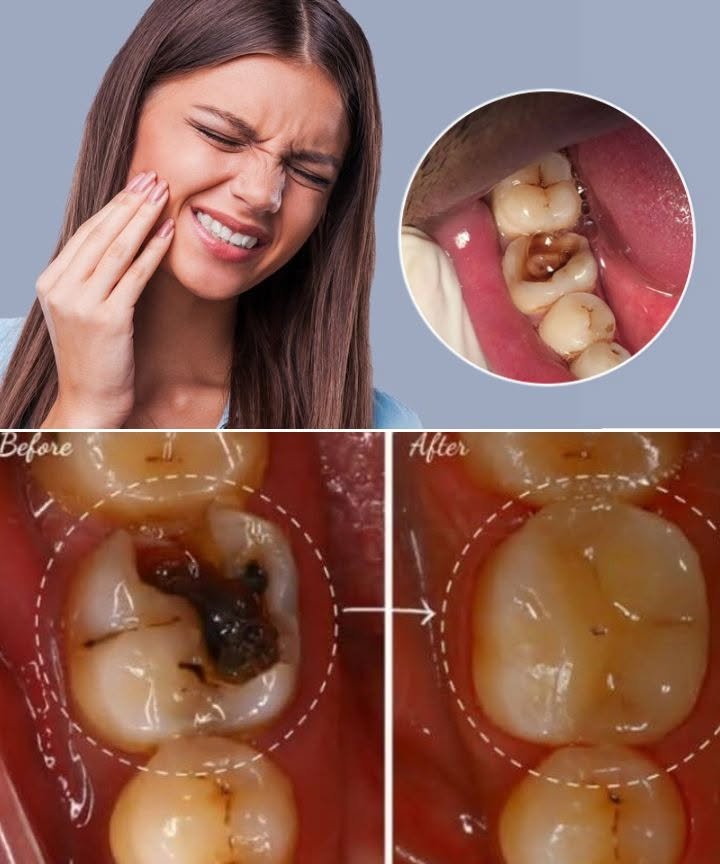
🦷 Keep These Tips in Mind to Avoid Visiting the Dentist: How to Naturally Repair a Cavity
🦷 Keep These Tips in Mind to Avoid Visiting the Dentist: How to Naturally Repair a Cavity
A healthy smile is about more than appearance. Your teeth help you eat, speak and enjoy everyday life. But tooth decay can develop gradually, sometimes without causing noticeable pain until the damage becomes more serious.
Many people search for natural ways to repair cavities at home, hoping to avoid fillings, drilling or expensive dental visits. You may have heard that salt water, coconut oil, clove oil, baking soda or certain foods can restore damaged teeth.
But what actually works?
The good news is that very early tooth decay can sometimes be reversed through a process called remineralisation. The important distinction is that once a cavity has developed into a physical hole in the tooth, natural remedies cannot rebuild the missing enamel.
In this guide, discover seven practical ways to protect your teeth, support natural remineralisation and reduce your risk of developing new cavities.
1. Understand Whether Your Cavity Can Actually Heal
Before trying any home remedy, it is important to understand the two main stages of tooth decay.
Early enamel demineralisation
At this stage, acids produced by bacteria remove minerals from the tooth enamel. You may notice a white or chalky spot on the tooth.
The enamel surface may still be intact, meaning the damage can sometimes be reversed with good oral hygiene, fluoride and appropriate dental care.
Established cavity
If the enamel breaks down and a hole develops, the tooth cannot naturally grow the missing structure back.
A dentist may need to remove the decayed material and restore the tooth with a filling or another appropriate treatment.
The earlier decay is identified, the more treatment options may be available.
2. Brush Twice Daily with Fluoride Toothpaste
<text> </text>
One of the most effective ways to prevent cavities is also one of the simplest.
Fluoride helps strengthen tooth enamel and makes it more resistant to acid attacks. It can also support remineralisation of early enamel damage.
How to do it properly:
- Choose a fluoride toothpaste containing approximately 1,350–1,500 ppm fluoride if you are an adult.
- Brush for two minutes, twice daily.
- Use a soft-bristled toothbrush.
- Clean all tooth surfaces, including the areas along the gumline.
- Spit out the toothpaste rather than rinsing immediately with water.
Avoid swallowing toothpaste. Children should use age-appropriate amounts under adult supervision.
3. Reduce Sugar to Protect Your Tooth Enamel
Sugar is one of the main contributors to tooth decay.
Bacteria naturally present in the mouth feed on fermentable carbohydrates, producing acids that attack tooth enamel.
The more frequently your teeth are exposed to sugar, the more opportunities bacteria have to produce these acids.
Try these changes:
- Reduce sweets, chocolates and sugary desserts.
- Avoid sipping soft drinks throughout the day.
- Limit sugary tea and coffee.
- Choose water instead of sweetened beverages.
- Keep sugary snacks to mealtimes rather than eating them repeatedly between meals.
Remember, frequency matters. Repeated sugar exposure can be particularly harmful even when the portions are small.
4. Eat Foods That Support Strong Teeth
Your teeth need minerals and nutrients to maintain their structure.
A balanced diet containing calcium, phosphorus, protein and vitamin D supports normal tooth and bone health.
Consider including:
Dairy products: Milk, plain yoghurt and cheese provide calcium and phosphorus.
Leafy green vegetables: Spinach, kale and other greens contribute useful nutrients.
Eggs: Provide protein and several vitamins.
Fish: Sardines and salmon can provide protein and, depending on the type, vitamin D. Fish with edible bones can also provide calcium.
Nuts and seeds: Almonds and sesame seeds provide minerals, although they should be eaten in ways that are safe for your teeth.
These foods support general oral health, but they cannot fill an existing cavity or replace dental treatment.
5. Clean Between Your Teeth Every Day
Brushing alone cannot effectively clean every space between your teeth.
Food particles and plaque can accumulate in these areas, increasing the risk of decay, particularly between neighbouring teeth.
Make interdental cleaning part of your routine:
- Use dental floss or an appropriate interdental brush.
- Gently clean between each tooth.
- Avoid forcing floss into your gums.
- Clean once daily, preferably before bedtime.
If traditional floss is difficult to use, a water flosser may be a useful alternative for some people.
6. Drink More Water and Protect Your Mouth from Dryness
Saliva is one of your body’s natural defences against tooth decay.
It helps wash away food particles, neutralise acids and supply minerals that support enamel remineralisation.
When your mouth becomes dry, the risk of cavities can increase.
Helpful habits include:
- Drink water regularly throughout the day.
- Choose fluoridated tap water where available.
- Avoid excessive consumption of sugary and acidic drinks.
- Discuss persistent dry mouth with your dentist or doctor.
- Consider sugar-free chewing gum containing xylitol if appropriate.
If you regularly wake up with a very dry mouth, it may be worth discussing possible causes, including medication side effects.
7. Consider Fluoride Treatments for Early Tooth Decay
Fluoride is one of the best-established tools for preventing and controlling tooth decay.
In addition to regular fluoride toothpaste, a dentist may recommend professional fluoride varnish or other fluoride treatments if you have a higher risk of cavities.
These treatments can help strengthen vulnerable enamel and support the management of early lesions.
However, fluoride cannot rebuild a tooth where a substantial portion of enamel has already disappeared.
Your dentist can assess whether the affected area is suitable for non-invasive treatment or requires a filling.
8. Avoid Relying on Popular Natural Cavity Remedies
Several home remedies are promoted online as ways to heal cavities. Some may offer limited comfort or have other uses, but none can rebuild a missing section of tooth.
Here are some common examples:
| Popular remedy | What you should know |
|---|---|
| Coconut oil pulling | Limited evidence for reducing certain oral bacteria; does not repair cavities |
| Salt-water rinses | May soothe irritated gums but cannot rebuild enamel |
| Clove oil | May temporarily ease toothache but does not treat the underlying decay |
| Baking soda | Can help remove surface stains in some formulations but cannot fill cavities |
| Garlic | Has laboratory-studied antimicrobial properties but is not a proven cavity treatment |
| Lemon juice | Acidic and can erode enamel; avoid applying it to teeth |
Be especially cautious with undiluted essential oils, acidic substances and abrasive homemade tooth powders. They can irritate oral tissues or damage enamel.
9. Know the Warning Signs of Tooth Decay
Cavities do not always cause pain in their early stages.
Look out for these possible warning signs:
- White or chalky spots on the enamel.
- Brown or black marks on a tooth.
- Sensitivity to cold drinks.
- Pain when eating sweets.
- Discomfort when chewing.
- A visible hole or rough area.
- Persistent toothache.
- Food repeatedly getting trapped in the same area.
These symptoms do not all confirm a cavity, but they should not be ignored.
A dental examination can identify the problem before it becomes more serious.
10. When You Should Never Delay a Dental Visit
Trying to manage oral health at home is sensible, but some symptoms require professional attention.
Arrange a dental appointment if you notice:
- Persistent tooth pain.
- A visible cavity or hole.
- Increasing sensitivity.
- Pain when biting.
- A broken or cracked tooth.
- Swelling around a tooth or gum.
Seek urgent dental care if you develop facial swelling, fever, pus or signs of a spreading infection.
Difficulty breathing or swallowing, or significant swelling affecting the neck or floor of the mouth, requires emergency medical attention.
Do not try to treat a dental abscess using garlic, clove oil or salt water alone. A dental infection may need urgent treatment.
Frequently Asked Questions
1. Can a cavity heal naturally without a filling?
Very early enamel demineralisation can sometimes be reversed through remineralisation, particularly with fluoride and improved oral hygiene. However, an established cavity with a physical hole cannot naturally regenerate the missing tooth structure.
2. Can salt water remove cavities?
No. Salt-water rinses may help soothe some minor oral irritation, but they cannot remove decay or repair damaged enamel.
3. Does coconut oil pulling repair tooth decay?
There is insufficient reliable evidence that oil pulling repairs cavities. It should not replace brushing with fluoride toothpaste, interdental cleaning or professional dental treatment.
4. Can brushing stop an existing cavity from getting bigger?
Good brushing with fluoride toothpaste can help control early decay and reduce the risk of further damage. However, it cannot reliably treat an established cavity. A dentist should assess the affected tooth.
5. What is the fastest way to prevent cavities?
Brush twice daily with fluoride toothpaste, clean between your teeth daily, reduce frequent sugar consumption, drink water and attend regular dental check-ups.
6. Can teeth repair themselves after enamel damage?
Early mineral loss may be reversed through remineralisation while the tooth surface remains intact. Once enamel is physically lost, the body cannot naturally replace it.
Conclusion: Protect Your Teeth Before the Damage Becomes Serious
You do not need expensive products or complicated home remedies to maintain healthy teeth. Consistent oral hygiene, fluoride toothpaste, a balanced diet and reduced sugar consumption are among the most effective ways to protect your smile.
Remember the most important distinction: early enamel damage may be reversible, but a fully developed cavity cannot be naturally filled or repaired at home.
If you notice tooth pain, sensitivity or a visible hole, do not wait for a home remedy to work. Early dental treatment is often simpler and less expensive than treating advanced decay.
Your best strategy is prevention, early detection and proper dental care.
Medical disclaimer: This article is for educational purposes only and does not replace professional dental advice, diagnosis or treatment. Consult a qualified dentist if you suspect tooth decay or experience persistent dental symptoms.