
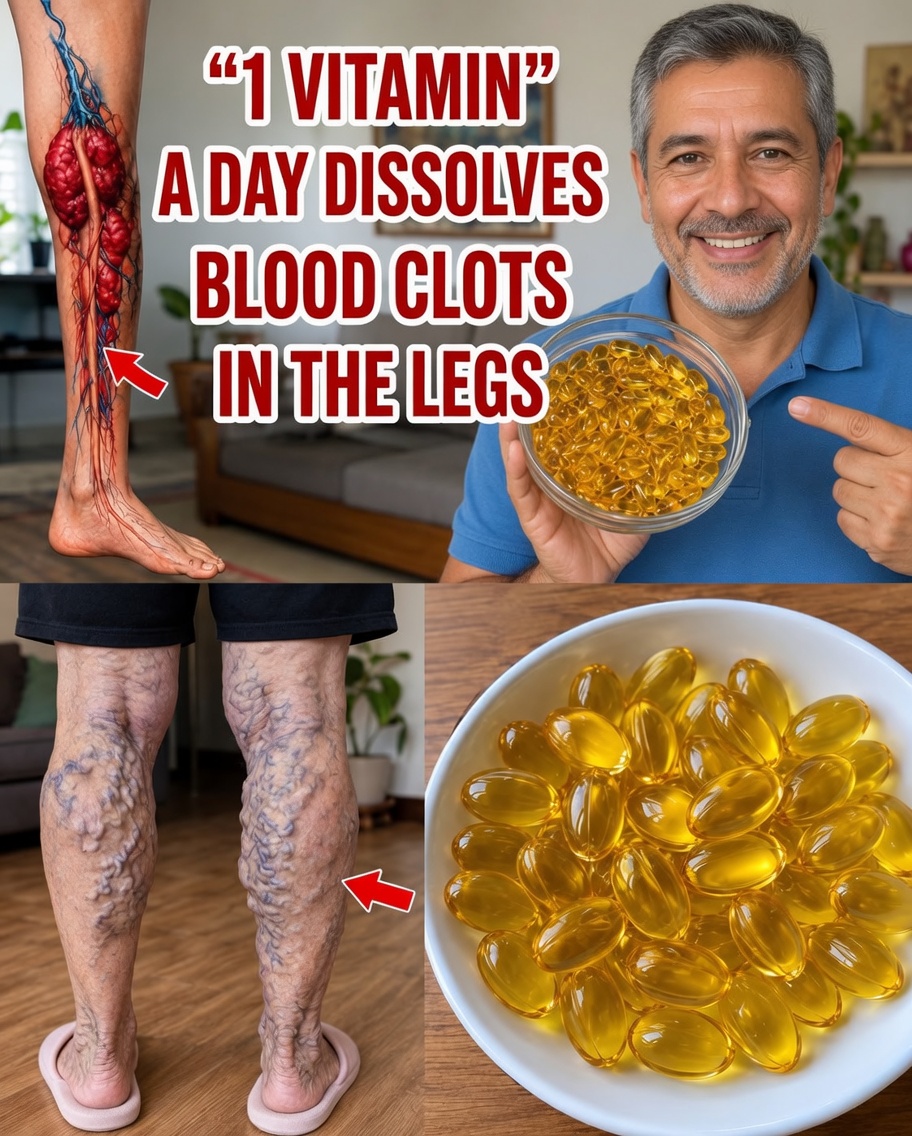
Vitamin E for Leg Circulation: Natural Support for Heavy and Tired Legs
Poor circulation in the legs is a common concern, especially among older adults and people who spend long hours sitting or standing. Symptoms such as heavy legs, swelling, tingling, and fatigue can affect daily comfort and mobility. While healthy habits remain the foundation of vascular wellness, some natural remedies may help support circulation and provide temporary relief.
One nutrient often associated with skin and vascular health is vitamin E. Known for its antioxidant properties, vitamin E may help support blood vessel function and improve skin hydration when used properly. Combined with gentle massage and healthy lifestyle habits, it may contribute to better comfort in tired legs.

Why Vitamin E Is Associated With Circulation Support
Vitamin E is a fat-soluble antioxidant that helps protect cells from oxidative stress. It also plays a role in maintaining healthy blood vessels and supporting circulation.
When applied topically with massage, vitamin E oil may help:
- Moisturize dry skin
- Improve the appearance of the skin
- Promote relaxation in tired legs
- Support local circulation through massage stimulation
Although vitamin E is popular in home remedies, it is important to understand that it is not a cure for vascular disease or blood clots.
Homemade Vitamin E Massage Oil for Legs
This simple nighttime massage recipe is commonly used to help relax tired legs and encourage circulation.
Ingredients
- 2 tablespoons olive oil or coconut oil
- 1 vitamin E capsule
Preparation
- Open the vitamin E capsule carefully.
- Mix the contents with the olive or coconut oil.
- Stir well until combined.
How to Use It
Apply the mixture to the legs using gentle upward massage movements, starting from the ankles and moving toward the thighs.
Massage for about 5 to 10 minutes, preferably at night before bedtime.
This upward massage technique may help stimulate local circulation and temporarily reduce the sensation of heaviness in the legs.
Additional Habits That Support Healthy Leg Circulation
Natural remedies work best when combined with healthy daily habits.
Walk Every Day
Walking for at least 20 to 30 minutes daily helps activate the leg muscles, which support blood flow back toward the heart.
Avoid Sitting or Standing Too Long
Remaining in the same position for extended periods may slow circulation and increase swelling.
Stay Hydrated
Proper hydration supports healthy blood flow and overall circulation.
Elevate Your Legs
Raising your legs while resting may help reduce swelling and support venous return.
Important Precautions About Vitamin E
Although vitamin E is widely available, it should still be used responsibly.
Do Not Take Supplements Without Medical Advice
Vitamin E supplements may interact with certain medications, especially blood thinners and anticoagulants.
Always consult a healthcare professional before taking vitamin E orally, particularly if you:
- Take anticoagulant medications
- Have bleeding disorders
- Have cardiovascular conditions
- Are preparing for surgery
High Doses May Increase Bleeding Risk
Excessive vitamin E intake may increase the risk of bleeding or bruising in some individuals.
Stop Use If You Experience Symptoms
Discontinue use and seek medical advice if you notice:
- Dizziness
- Frequent bruising
- Unusual bleeding
- Digestive discomfort
Important Medical Warning
This remedy is not a treatment for:
- Blood clots
- Deep vein thrombosis (DVT)
- Serious vascular disease
If you experience symptoms such as severe swelling, redness, pain, warmth in one leg, or sudden shortness of breath, seek immediate medical attention.
Final Thoughts
Vitamin E may serve as a gentle natural ally for supporting comfort and circulation in tired legs when combined with massage and healthy habits. However, maintaining healthy circulation requires more than a single remedy.
Daily movement, hydration, balanced nutrition, and proper medical care remain essential for long-term vascular health.
Natural approaches can be helpful when used wisely, but accurate information and professional guidance are key to staying safe and protecting your overall well-being