
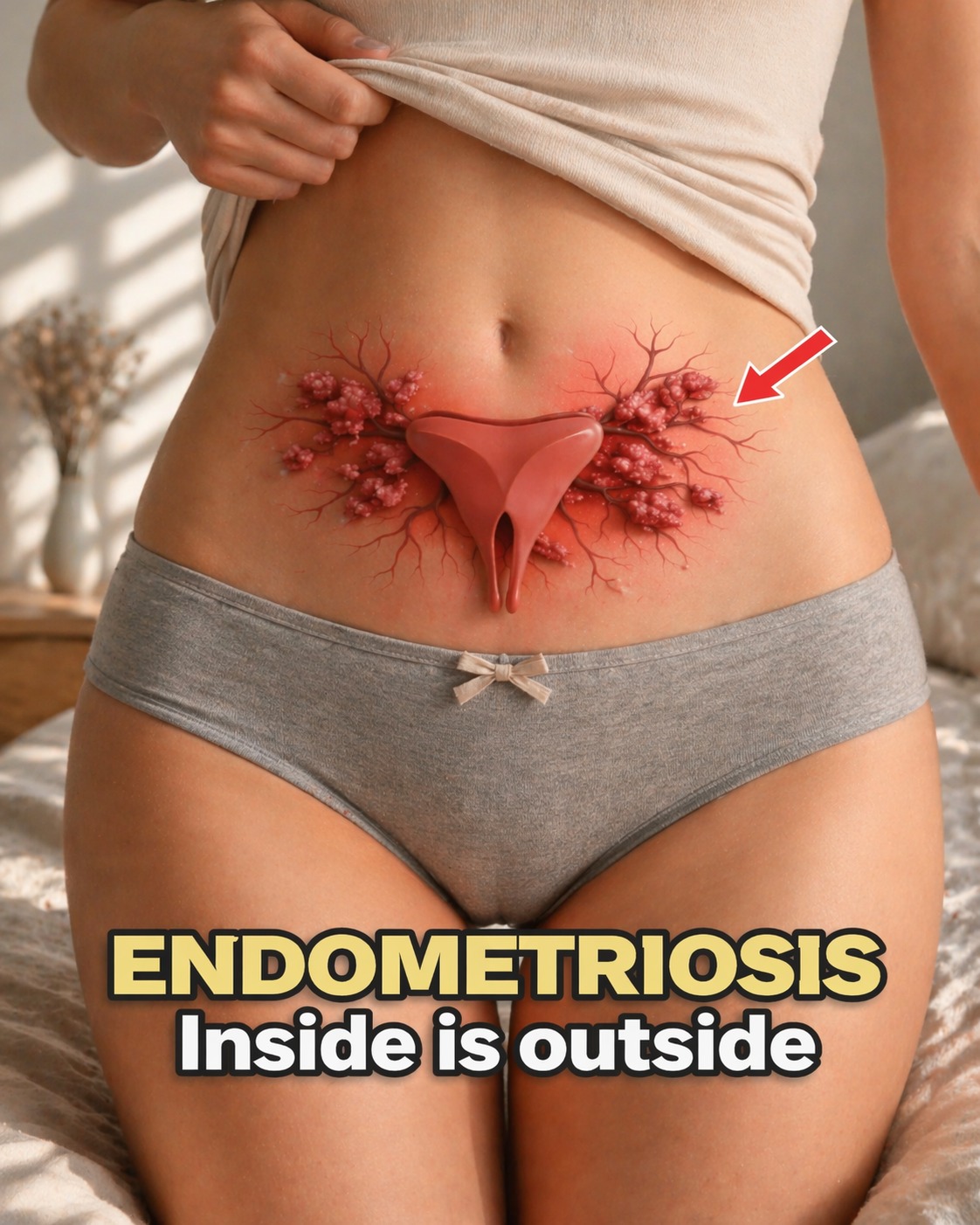
WOMEN SHOULD KNOW ABOUT ENDOMETRIOSIS
What Women Should Know About Endometriosis
Endometriosis is a chronic condition where tissue similar to the lining of the uterus grows outside the uterus — commonly on the ovaries, fallopian tubes, pelvic lining, or bowel. These growths respond to hormones and can cause inflammation, scarring, and significant pain.
Common Symptoms
Symptoms vary widely. Some women have severe pain, while others have little or none.
Typical signs include:
- Painful periods that interfere with daily life
- Pelvic pain between periods
- Pain during or after sex
- Painful bowel movements or urination, especially during menstruation
- Heavy menstrual bleeding
- Bloating, nausea, fatigue
- Difficulty getting pregnant or infertility
It’s Often Misdiagnosed
Many women are told their pain is “normal” and may wait years for a diagnosis. Endometriosis can sometimes be mistaken for:
- Irritable bowel syndrome (IBS)
- Pelvic inflammatory disease
- Ovarian cysts
- Fibroids
Persistent or worsening menstrual pain deserves medical attention.
Possible Causes
The exact cause is still unclear, but researchers believe several factors may contribute:
- Retrograde menstruation (menstrual blood flowing backward)
- Genetics
- Immune system dysfunction
- Hormonal influences
How It’s Diagnosed
Doctors may use:
- Medical history and symptom review
- Pelvic examination
- Ultrasound or MRI
- Laparoscopy (a minimally invasive surgery that can confirm diagnosis)
Treatment Options
There is no universal cure, but treatments can help manage symptoms.
Medications
- Pain relievers such as NSAIDs
- Hormonal birth control
- Hormone therapy
Surgery
Surgery may remove endometriosis tissue and scar tissue, especially when symptoms are severe or fertility is affected.
Lifestyle Support
Some women find symptom relief through:
- Regular exercise
- Heat therapy
- Adequate sleep
- Stress management
- Anti-inflammatory eating patterns
Fertility and Pregnancy
Endometriosis can affect fertility, but many women with the condition still conceive naturally or with fertility treatment support.
When to See a Doctor
Seek medical evaluation if you have:
- Severe menstrual pain
- Chronic pelvic pain
- Pain affecting work, school, or relationships
- Trouble becoming pregnant
Early diagnosis can help reduce complications and improve quality of life.
For reliable information: