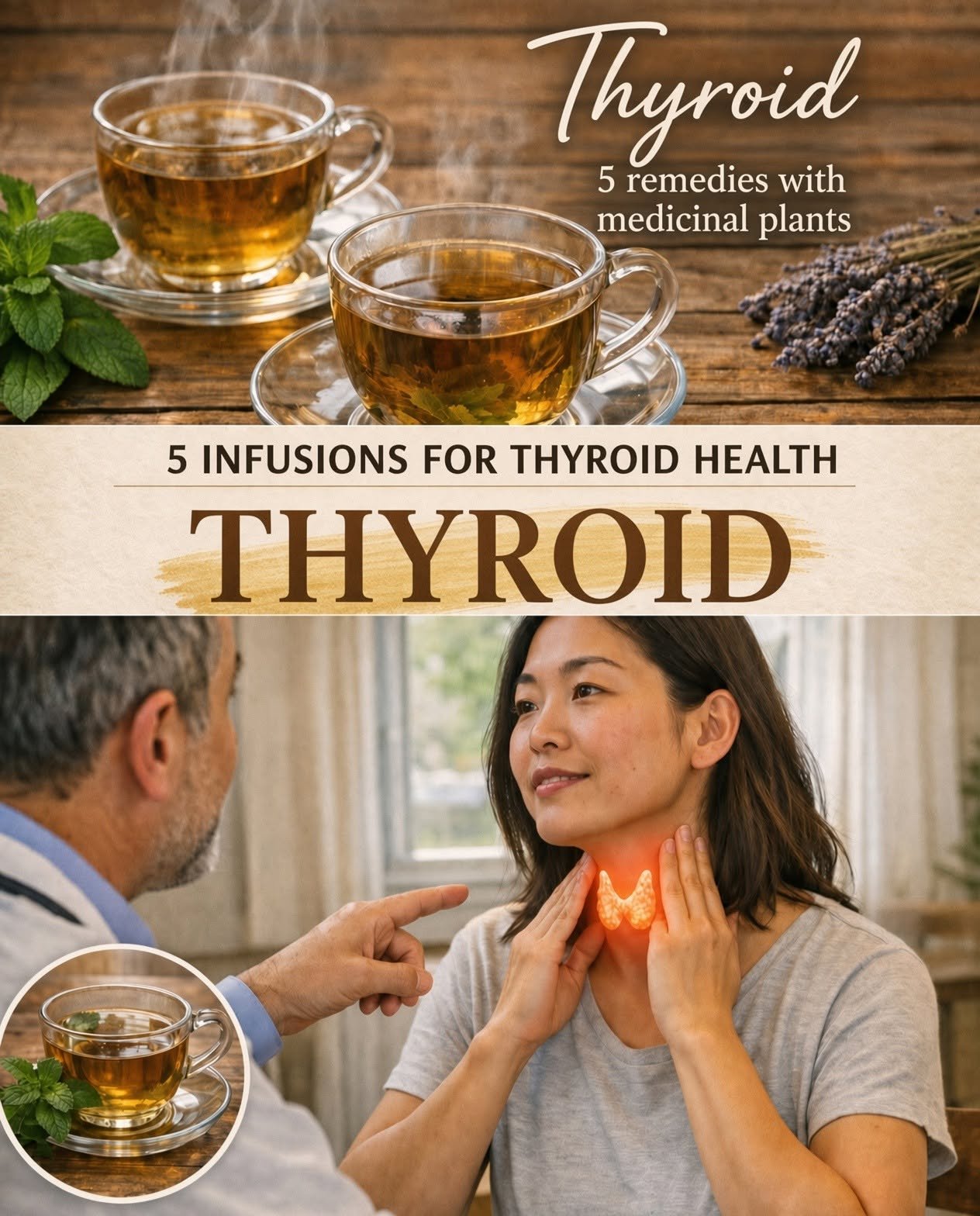
Thyroid Health in Focus: 5 Herbs That May Support Thyroid Function and Hypothyroidism
Thyroid Health in Focus: 5 Herbs That May Support Thyroid Function and Hypothyroidism
Waking up tired, feeling unusually cold, experiencing dry skin, or noticing changes in your hair can be frustrating. These symptoms may have many possible causes, and in some people they can be associated with an underactive thyroid, also known as hypothyroidism.
It is understandable that many people look for natural ways to support their energy, metabolism, and overall well-being. Certain herbs have been traditionally used for these purposes, and some have been investigated in scientific research.
However, there is an important distinction: herbs cannot be considered a proven cure for hypothyroidism, and they should not replace prescribed thyroid medication or medical care.
In this article, we’ll explore five herbs and plants that are sometimes discussed in relation to thyroid health, what the research suggests, and the precautions you should know before using them.
What Is Hypothyroidism?
Hypothyroidism occurs when the thyroid gland does not produce enough thyroid hormones.
Because thyroid hormones influence metabolism and many other body functions, an underactive thyroid may be associated with symptoms such as:
- Persistent fatigue
- Feeling unusually cold
- Dry skin
- Hair changes
- Constipation
- Weight gain
- Low energy
- Difficulty concentrating
- Changes in mood
These symptoms can also occur with other health conditions, so they should not automatically be attributed to the thyroid.
A healthcare professional can evaluate thyroid function using symptoms, medical history, and blood tests such as TSH and free T4.
Can Herbs Cure Hypothyroidism?
This is one of the most important questions to address.
There is currently no strong evidence that herbal remedies can cure hypothyroidism.
Some plants may contain compounds that influence metabolism, inflammation, stress responses, or thyroid-related pathways. However, evidence varies considerably between herbs, and some may actually interfere with thyroid function or medications.
Therefore, think of herbs as potential supportive components of a healthy lifestyle, rather than replacements for medical treatment.
5 Herbs and Plants Commonly Discussed for Thyroid Support
1. Ashwagandha
Ashwagandha (Withania somnifera) is an Ayurvedic herb traditionally used for stress and general well-being.
Some small studies have investigated whether ashwagandha may influence thyroid hormone levels, particularly in people with mild thyroid dysfunction.
Potential areas of interest include:
- Stress management
- General energy and well-being
- Possible effects on thyroid hormone levels
- Support for a balanced stress response
However, research remains limited, and ashwagandha may not be appropriate for everyone.
Important: People with thyroid disorders should discuss ashwagandha with their healthcare professional before taking it, particularly because it may affect thyroid hormone levels and potentially interact with treatment.
2. Fucus and Other Iodine-Rich Seaweeds
Seaweeds such as Fucus contain iodine, a mineral required by the thyroid gland to produce thyroid hormones.
This might make iodine sound like an obvious solution for hypothyroidism, but there is an important catch:
More iodine does not necessarily mean better thyroid health.
Both insufficient and excessive iodine intake can interfere with normal thyroid function.
People who already consume adequate iodine generally should not take high-dose iodine supplements without medical advice.
If you have Hashimoto’s disease, thyroid nodules, hyperthyroidism, or another thyroid condition, be particularly cautious with iodine-containing supplements.
3. Ginseng
Ginseng has been used traditionally for centuries and is commonly associated with energy, fatigue management, and general vitality.
Research has explored its possible effects on:
- Physical fatigue
- Mental performance
- Stress
- Metabolic health
- General energy
However, evidence that ginseng directly improves hypothyroidism is insufficient.
It may still be an interesting plant to study for general wellness, but it should not be considered a treatment for an underactive thyroid.
4. Gotu Kola
Gotu kola (Centella asiatica) is a traditional medicinal plant used in several Asian healing systems.
It has been investigated for various potential properties, including:
- Antioxidant activity
- Skin health
- Circulation
- Cognitive and neurological support
- Wound healing
Despite these areas of research, there is not enough reliable evidence to conclude that gotu kola treats hypothyroidism.
If you are considering it as part of a wellness routine, discuss it with a healthcare professional, especially if you take prescription medications.
5. Dandelion
Dandelion is widely consumed as a food and herbal tea.
Its leaves and roots contain compounds such as polyphenols and inulin, and it is traditionally used to support digestion and general wellness.
Potential areas of interest include:
- Digestive health
- Dietary antioxidant intake
- General metabolic support
- As a caffeine-free herbal beverage
However, claims that dandelion “detoxifies” the thyroid or cures hypothyroidism are not supported by strong clinical evidence.
It is better viewed as a nutritious plant that can be part of a varied diet rather than a thyroid treatment.
A Simple Comparison of These Herbs
| Herb or plant | Common traditional use | Evidence for hypothyroidism |
|---|---|---|
| Ashwagandha | Stress and general well-being | Early/limited evidence |
| Fucus/seaweed | Source of iodine | Iodine is essential, but excess can be harmful |
| Ginseng | Energy and fatigue | Insufficient evidence for treating hypothyroidism |
| Gotu kola | Circulation and general wellness | Insufficient evidence |
| Dandelion | Digestive and dietary support | No established thyroid treatment effect |
How to Use Herbal Products More Safely
If you are interested in herbal products, a cautious approach is important.
1. Don’t stop prescribed thyroid medication
If you take levothyroxine or another thyroid medication, do not replace it with an herbal remedy without medical supervision.
2. Check for interactions
Herbal supplements can interact with prescription medications.
Even products labeled “natural” can have pharmacological effects.
3. Be careful with iodine
Seaweed and kelp products can contain highly variable amounts of iodine. Taking excessive iodine may worsen certain thyroid conditions.
4. Choose reputable products
Look for products with transparent ingredient lists and appropriate quality testing.
5. Monitor your thyroid function
If you have hypothyroidism, regular medical follow-up and appropriate blood tests are much more reliable than judging thyroid function based only on how you feel.
Lifestyle Habits That Can Support Thyroid Health
Herbs are only one small part of the bigger picture.
A balanced lifestyle can include:
🥗 Eat a varied diet
Include adequate protein, vegetables, fruits, whole grains, and sources of essential minerals.
🚶 Stay physically active
Regular walking, resistance training, or other appropriate exercise can support energy, cardiovascular health, and metabolic function.
😴 Prioritize sleep
Poor sleep can contribute to fatigue and make it harder to manage weight and stress.
💧 Stay hydrated
Adequate fluid intake supports normal bodily functions and overall well-being.
🩺 Keep medical appointments
If you have diagnosed hypothyroidism, regular monitoring helps your healthcare professional determine whether your treatment is working appropriately.
When Should You Talk to a Doctor?
Don’t rely solely on herbs if you experience persistent symptoms such as:
- Severe or worsening fatigue
- Significant unexplained weight changes
- Persistent swelling
- Significant hair loss
- Depression or major mood changes
- Unusual sensitivity to cold
- Changes in heart rate
- Menstrual changes
- Difficulty becoming pregnant
A thyroid disorder can usually be evaluated with appropriate medical testing.
The Bottom Line
Ashwagandha, ginseng, gotu kola, dandelion, and iodine-containing seaweeds are often discussed in natural-health circles for their potential wellness benefits.
However, none of these herbs should be described as a proven cure for hypothyroidism.
The most sensible approach is to combine evidence-based medical care with healthy nutrition, regular physical activity, adequate sleep, and carefully considered supplements when appropriate.
If you have a thyroid condition, talk with your doctor or pharmacist before adding an herbal supplement—especially products containing iodine or ashwagandha.
Medical disclaimer: This article is for educational purposes only and does not replace professional medical advice, diagnosis, or treatment. If you have hypothyroidism or another thyroid condition, consult a qualified healthcare professional before changing your medication, diet, or supplement routine.