Understanding Warts: Causes, Symptoms, Treatment, and Prevention
Understanding Warts: Causes, Symptoms, Treatment, and Prevention
Understanding Warts: Causes, Care, and When to See a Doctor
Warts are one of the most common skin conditions, affecting millions of people of all ages. Although they may look unusual or feel uncomfortable, most warts are harmless and can often be treated successfully or disappear on their own over time.
Because many myths surround warts, it’s important to understand what causes them, how they spread, and the safest ways to manage them. With the right information, you can protect your skin and know when professional medical care is needed.
What Are Warts?
Warts are small, non-cancerous skin growths caused by certain strains of the Human Papillomavirus (HPV). The virus enters the skin through tiny cuts or breaks, causing rapid growth of the outer layer of skin.
Warts can appear almost anywhere on the body, but they are most commonly found on:
- Hands
- Fingers
- Feet
- Knees
- Face
- Around fingernails
- Genital area (certain HPV types)
Most warts are harmless, but some may become painful, spread to other areas, or require medical treatment.
Are Warts Contagious?
Yes. Warts are contagious because they are caused by HPV.
The virus can spread through:
- Direct skin-to-skin contact
- Sharing towels, razors, socks, or shoes
- Walking barefoot in public showers, gyms, or swimming pools
- Picking or scratching existing warts
- Nail biting around infected skin
Not everyone exposed to HPV develops warts. Your immune system plays a major role in determining whether the virus causes visible growths.
Common Types of Warts
1. Common Warts
These rough, raised bumps usually appear on:
- Fingers
- Hands
- Elbows
- Knees
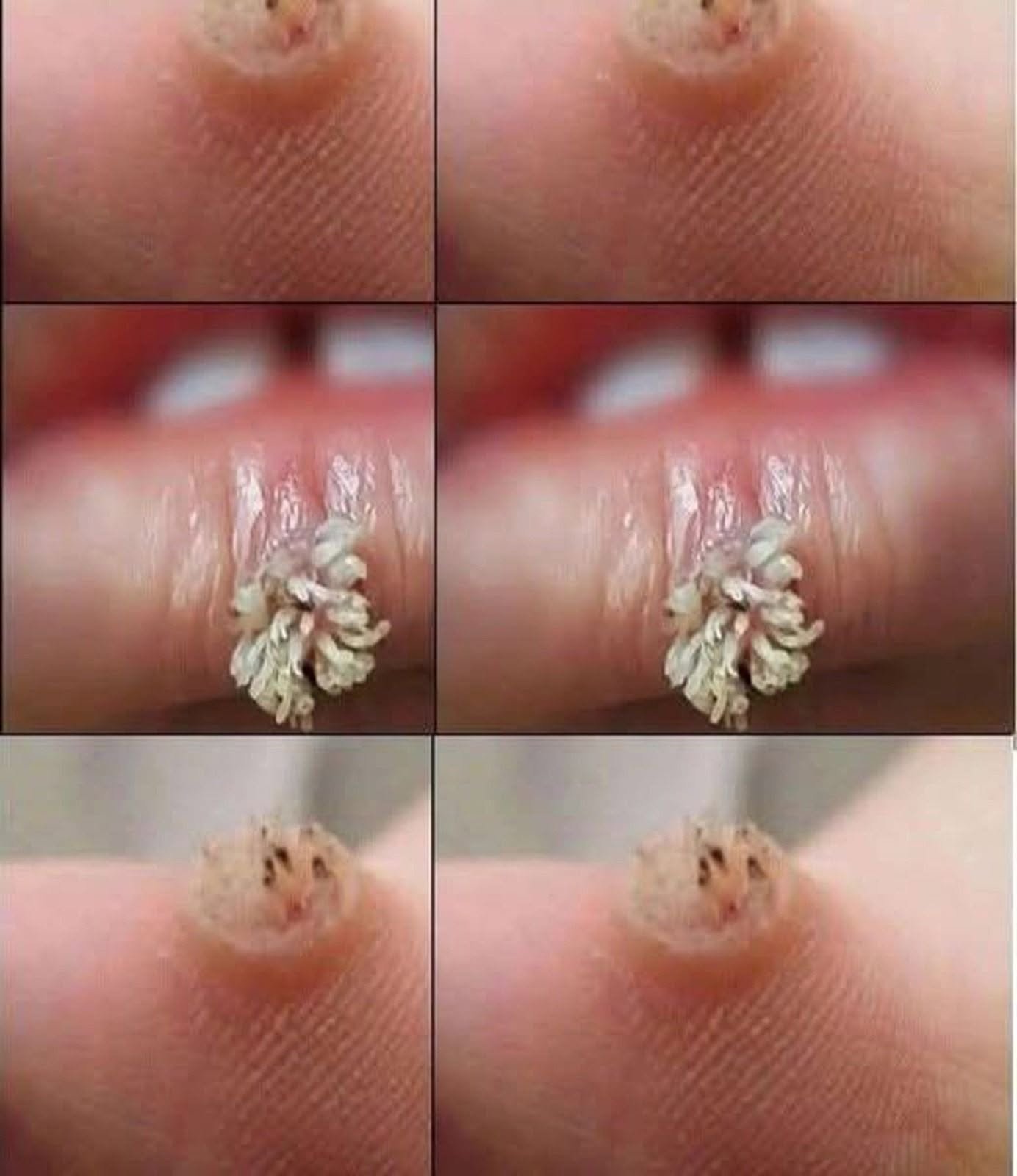
They often have tiny black dots, which are small clotted blood vessels.
2. Plantar Warts
Plantar warts grow on the soles of the feet and can become painful because body weight pushes them inward.
Symptoms may include:
- Pain while walking
- Rough thickened skin
- Tiny black dots
- Feeling like you’re stepping on a pebble
3. Flat Warts
Flat warts are:
- Small
- Smooth
- Slightly raised
- Flesh-colored or light brown
They commonly appear on:
- Face
- Neck
- Legs
- Hands
They often occur in clusters.
4. Filiform Warts
Filiform warts are long, narrow, and finger-like.
They usually develop around:
- Eyes
- Nose
- Mouth
- Beard area
Because they occur on delicate skin, professional removal is often recommended.
5. Periungual Warts
These warts grow around the fingernails or toenails.
If left untreated, they may:
- Distort nail growth
- Become painful
- Damage the nail bed
6. Genital Warts
Genital warts are caused by specific HPV types transmitted through sexual contact.
They require professional medical diagnosis and treatment.
Never use over-the-counter wart removers on genital skin.
Safe Treatment Options
Many warts disappear naturally within one to two years as the immune system clears the virus.
If treatment is needed, options include:
Over-the-Counter Treatments
Products containing salicylic acid can gradually remove common and plantar warts.
For best results:
- Soak the wart in warm water first.
- Apply the treatment as directed.
- Remove dead skin gently.
- Continue treatment consistently.
Professional Treatments
A dermatologist may recommend:
- Cryotherapy (freezing)
- Laser therapy
- Electrosurgery
- Minor surgical removal
- Prescription medications
The best treatment depends on the wart’s type, size, and location.
How to Prevent Warts
While it’s impossible to eliminate all risk, these habits can reduce your chances of developing or spreading warts:
- Avoid picking or scratching warts.
- Wash your hands after touching a wart.
- Keep feet clean and dry.
- Change socks daily.
- Wear flip-flops in public showers and locker rooms.
- Do not share towels, shoes, nail clippers, or razors.
- Cover warts with a bandage during sports or swimming.
- Support your immune system with healthy sleep, balanced nutrition, and regular exercise.
Common Myths About Warts
Myth: Warts mean poor hygiene.
False. Anyone can develop warts after exposure to HPV.
Myth: Cutting off a wart at home removes it.
False. This can lead to infection, bleeding, and permanent scarring.
Myth: Every home remedy works.
False. While some natural remedies may help certain people, scientific evidence is limited, and some methods may irritate or damage healthy skin.
Myth: All warts are dangerous.
False. Most are harmless, but any unusual or changing skin growth should be evaluated by a healthcare professional.
When to See a Dermatologist
Seek medical evaluation if a wart:
- Is painful or bleeding
- Changes color or shape
- Grows rapidly
- Appears on the face or genital area
- Spreads extensively
- Does not improve after several weeks of treatment
- Develops if you have diabetes or a weakened immune system
- Looks unusual or you are unsure it is actually a wart
Some skin cancers and other skin conditions can resemble warts, making an accurate diagnosis important.
Frequently Asked Questions
Are warts dangerous?
Most warts are harmless, but some may require treatment if they become painful, spread, or resemble another skin condition.
Can stress cause warts?
Stress does not directly cause warts, but chronic stress may weaken the immune system, making HPV more likely to cause visible growths.
Can children get warts?
Yes. Children and teenagers commonly develop hand and foot warts because they have not yet developed immunity to many HPV strains.
Can warts disappear on their own?
Yes. Many warts resolve naturally within one to two years without treatment.
Final Thoughts
Warts are a common viral skin condition that affects people of all ages. Although they can be frustrating, they are usually harmless and often respond well to proper treatment or resolve naturally over time.
Practicing good hygiene, avoiding picking at warts, and using appropriate treatments can help prevent spreading the virus. If a wart becomes painful, changes in appearance, or fails to improve, a dermatologist can recommend safe and effective treatment options.
Disclaimer: This article is for educational purposes only and is not a substitute for professional medical advice. Always consult a qualified healthcare provider for diagnosis and treatment of any skin condition.