Arthritis: Foods to Limit for Better Joint Health and Less Inflammation
Arthritis: Foods to Limit for Better Joint Health and Less Inflammation
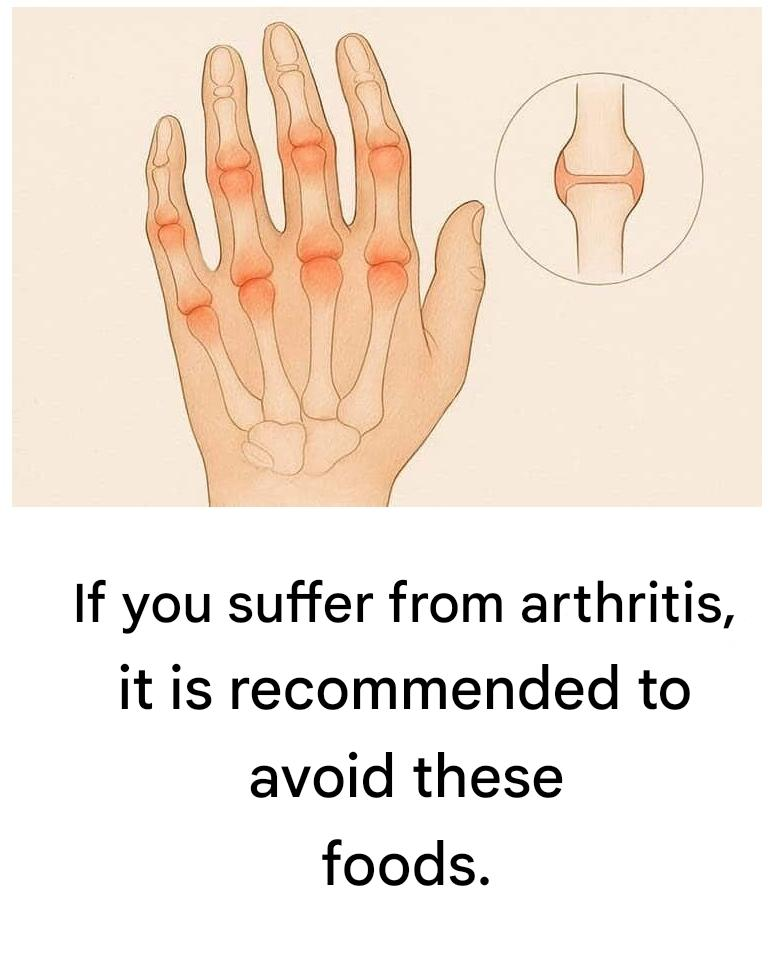
Arthritis can cause joint pain, stiffness, swelling, and difficulty moving comfortably. Although diet cannot cure arthritis, healthy eating habits can support weight management, heart health, and overall well-being. For some people, dietary changes may also help manage symptoms.
However, there is no universal list of foods that every person with arthritis must completely avoid. Osteoarthritis, rheumatoid arthritis, psoriatic arthritis, and gout are different conditions, and dietary recommendations can vary.
Instead of focusing on one “bad food,” it is usually more helpful to focus on an overall healthy eating pattern.
What Is Arthritis?
Arthritis is a general term for a group of conditions that affect the joints. Common types include:
- Osteoarthritis
- Rheumatoid arthritis
- Psoriatic arthritis
- Gout
Symptoms may include joint pain, stiffness, swelling, tenderness, and reduced range of motion.
Treatment depends on the type of arthritis, but healthy nutrition, appropriate physical activity, weight management, and medical care can all play an important role.
1. Limit Foods and Drinks High in Added Sugar
Soft drinks, sweets, cakes, cookies, pastries, and other foods high in added sugar are best enjoyed in moderation.
Eating large amounts of added sugar can increase calorie intake and contribute to weight gain. Extra weight can place additional stress on weight-bearing joints, particularly the knees and hips.
Better everyday choices include:
- Fresh fruit
- Plain yogurt
- Oatmeal
- Water
- Unsweetened tea
2. Cut Back on Highly Processed Foods
Fast food, packaged snacks, instant meals, and other highly processed foods can be high in sodium, saturated fat, and calories while providing fewer beneficial nutrients.
You do not necessarily have to eliminate these foods completely. Instead, try to make minimally processed foods the foundation of your diet.
Choose more often:
- Fresh vegetables
- Fruits
- Whole grains
- Beans and lentils
- Nuts and seeds
- Fish and other nutritious protein sources
3. Limit Processed Meat
Processed meats such as bacon, sausages, hot dogs, and other cured meats are best consumed less frequently.
Instead, consider choosing:
- Fish
- Chicken
- Eggs
- Beans
- Lentils
- Nuts and seeds
Red meat does not necessarily need to be completely eliminated. Moderate portions can fit into a balanced diet for many people.
4. Be Mindful of Excess Saturated Fat
Foods such as fatty meats, butter, and some fried or highly processed foods can contain substantial amounts of saturated fat.
For overall health, consider replacing some saturated fats with healthier unsaturated fats.
Good options include:
- Extra-virgin olive oil
- Avocados
- Nuts
- Seeds
- Fatty fish
5. Limit Alcohol, Especially If You Have Gout
Alcohol can be particularly important for people with gout because it may increase uric acid levels and contribute to gout attacks in susceptible individuals.
If you have gout or take medications for arthritis, ask your healthcare professional how alcohol may affect your condition or treatment.
6. You Don’t Automatically Need to Avoid Dairy
Having arthritis does not mean you have to eliminate milk, yogurt, or cheese.
For people who tolerate dairy, nutritious dairy products can be part of a balanced diet. However, if a particular food consistently causes digestive symptoms or seems to worsen your symptoms, discuss your concerns with a healthcare professional or registered dietitian.
Foods That Can Support a Healthy Arthritis Diet
Avoiding certain foods is only part of the picture. Adding nutritious foods is equally important.
Colorful Fruits and Vegetables
Berries, oranges, guava, broccoli, spinach, carrots, and other colorful produce provide vitamins, minerals, fiber, and beneficial plant compounds.
Fatty Fish
Salmon, sardines, and other oily fish provide omega-3 fatty acids.
Research suggests omega-3 fatty acids may provide modest benefits for some people with inflammatory arthritis, particularly rheumatoid arthritis.
Whole Grains
Oats, brown rice, whole-grain bread, and other whole grains provide fiber and important nutrients.
Beans, Lentils, Nuts, and Seeds
These foods provide plant protein, fiber, minerals, and healthy fats.
Olive Oil
Olive oil is an important component of Mediterranean-style eating patterns and can be used instead of some foods high in saturated fat.
Can Turmeric, Ginger, or Garlic Cure Arthritis?
No.
Turmeric, ginger, and garlic are nutritious foods, and some of their compounds have been studied for potential anti-inflammatory effects. However, they should not be considered cures for arthritis or replacements for prescribed treatment.
Food-based amounts are also different from concentrated supplements. If you take medications—particularly blood-thinning medicines—talk with a healthcare professional before using concentrated herbal supplements.
Why Is Weight Management Important?
Maintaining a healthy weight can be an important part of arthritis management.
For people with overweight and knee osteoarthritis, even a modest reduction in body weight may help reduce stress on the joints and improve physical function.
Rather than following extreme diets or attempting rapid weight loss, focus on gradual and sustainable changes.
A Simple Arthritis-Friendly Plate
A balanced meal can be built around a simple formula:
½ plate: vegetables
¼ plate: protein such as fish, chicken, beans, or lentils
¼ plate: whole grains or another nutritious carbohydrate
Small amount: healthy fat such as olive oil, nuts, or avocado
This approach focuses on the overall quality of the diet rather than relying on a single “miracle food.”
Diet Isn’t the Only Part of Arthritis Management
Nutrition matters, but other lifestyle habits are important too.
Depending on your condition and abilities, helpful habits may include:
- Regular physical activity
- Appropriate strength exercises
- Maintaining a healthy weight
- Getting adequate sleep
- Avoiding smoking
- Taking prescribed medications as directed
- Attending regular medical appointments
The right type and intensity of exercise should be tailored to your condition.
When Should You See a Doctor?
Speak with a healthcare professional if joint pain, swelling, or stiffness persists, becomes worse, or significantly interferes with your daily activities.
Sudden severe joint pain—especially when a joint becomes red, hot, and swollen—can have several causes, including gout or infection, and may require prompt medical evaluation.
Final Thoughts
There is no universal list of foods that everyone with arthritis needs to avoid.
A more practical approach is to follow a balanced, Mediterranean-style eating pattern that emphasizes vegetables, fruits, whole grains, beans, nuts, seeds, olive oil, and fish while limiting excessive added sugar, highly processed foods, and excessive saturated fat.
Diet cannot cure arthritis, but healthy eating can support weight management, cardiovascular health, and overall well-being.
If you believe a particular food repeatedly makes your symptoms worse, keep track of the pattern and discuss it with a healthcare professional or qualified dietitian before permanently eliminating nutritious foods from your diet.
Arthritis management is about the whole lifestyle—not one food, one drink, or one quick fix.
Disclaimer: This article is for educational purposes only and is not a substitute for professional medical advice, diagnosis, or treatment.