Say Goodbye to Cavities: Natural Ways to Keep Your Teeth Strong and Healthy 🦷✨
Say Goodbye to Cavities: Natural Ways to Keep Your Teeth Strong and Healthy 🦷✨
A healthy, beautiful smile begins with strong teeth and good daily habits. Cavities, tooth sensitivity, and dental discomfort are common problems that can affect people of all ages. Although regular dental visits are essential, there are several simple lifestyle and dietary changes that can help protect your teeth and support better oral health.
The foods you eat, the drinks you consume, and the way you care for your teeth all play an important role in maintaining healthy enamel. By making a few mindful choices, you can reduce your risk of tooth decay and enjoy a healthier smile.
1. Eat a Tooth-Friendly Diet
Your teeth need essential nutrients to remain strong and healthy. Calcium, phosphorus, and vitamin D all contribute to maintaining healthy teeth and supporting the structures that hold them in place. Foods such as milk, yogurt, cheese, leafy green vegetables, eggs, sardines, and other nutrient-rich options can help provide these important nutrients.
Calcium plays an important role in maintaining strong teeth, while phosphorus works alongside calcium to support healthy mineral structures. Vitamin D helps the body absorb calcium effectively. Including a variety of these foods in your daily diet can support overall dental health.
2. Choose Foods That Support Healthy Enamel
Tooth enamel is the hard outer layer that protects your teeth against everyday wear and acid attacks. Although enamel is remarkably strong, it can gradually lose minerals when exposed to acids produced by bacteria in the mouth.
Eating a balanced diet containing vegetables, dairy products, nuts, and other nutrient-rich foods can support healthy teeth. Drinking water regularly, particularly after meals, can also help wash away food particles and dilute acids in the mouth.
It is worth remembering that once enamel is significantly damaged, it cannot naturally grow back. However, fluoride toothpaste can help remineralize early areas of enamel damage before a cavity develops.
3. Reduce Sugary Foods and Drinks
One of the most important steps in preventing cavities is reducing the amount and frequency of sugar you consume. Bacteria naturally present in your mouth use sugars from food and drinks to produce acids that attack tooth enamel.
Frequent consumption of sweets, chocolates, sugary drinks, cakes, and processed snacks can increase the risk of tooth decay. Instead, consider choosing fresh vegetables, whole fruits, unsweetened yogurt, and other nutritious snacks.
You do not necessarily need to eliminate every sweet food from your diet, but limiting sugary snacks between meals and avoiding frequent sipping of sweetened drinks can make a meaningful difference.
4. Make Fluoride Toothpaste Part of Your Daily Routine
Brushing your teeth twice a day with fluoride toothpaste is one of the most effective ways to prevent cavities. Fluoride helps strengthen tooth enamel and supports the repair of early mineral damage caused by acids.
Use a soft-bristled toothbrush and brush gently for approximately two minutes each time. Pay attention to all surfaces of your teeth, including the areas along the gumline.
After brushing, spit out the excess toothpaste rather than immediately rinsing your mouth with water. This allows fluoride to remain on your teeth for longer.
5. Maintain Healthy Gums and Clean Between Your Teeth
Healthy teeth also depend on healthy gums. Food particles and plaque can accumulate between teeth and around the gumline, creating an environment where harmful bacteria can thrive.
Cleaning between your teeth daily with dental floss or an appropriate interdental brush helps remove plaque from areas that a regular toothbrush may not reach.
Healthy oral hygiene habits can reduce the risk of gum inflammation, bleeding gums, and other dental problems.
6. Drink More Water and Limit Acidic Drinks
Water is one of the simplest and most beneficial drinks for maintaining oral health. It helps rinse away food particles, supports saliva production, and can help maintain a balanced environment inside the mouth.
On the other hand, frequent consumption of fizzy drinks, energy drinks, fruit juices, and other acidic beverages can contribute to enamel erosion. Even drinks without added sugar may contain acids that gradually weaken tooth enamel.
Choosing plain water more often and limiting acidic drinks can help protect your teeth over time.
7. Do Not Ignore Early Signs of Tooth Decay
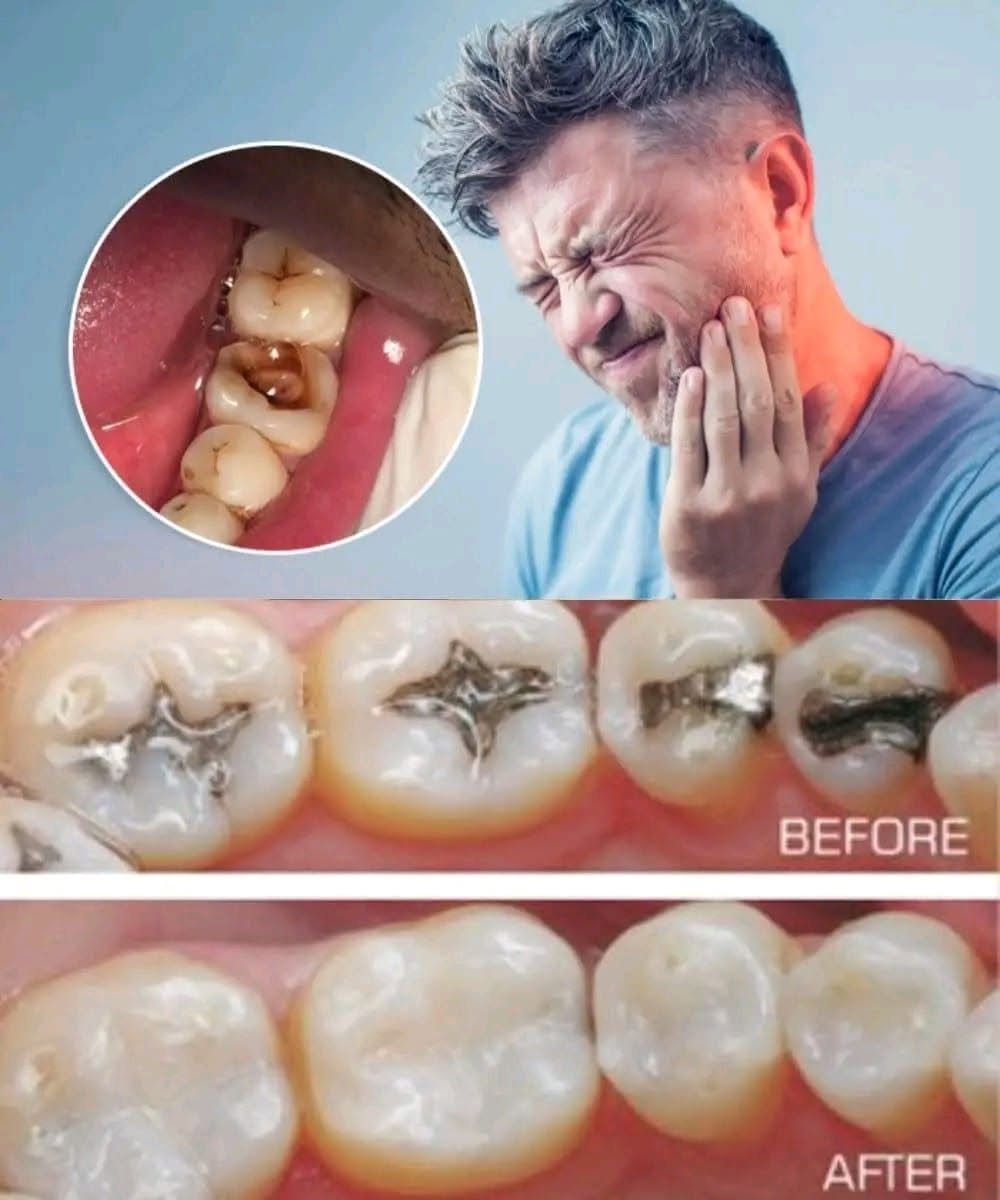
Tooth decay does not always cause pain in its early stages. White spots, unusual sensitivity, visible dark areas, or discomfort when eating or drinking may indicate a developing dental problem.
If you notice these changes, arrange an appointment with your dentist. Early detection can make treatment simpler and help prevent more extensive damage.
Remember that an established cavity cannot reliably be repaired with homemade remedies, coconut oil, or dietary changes. Depending on its severity, professional treatment may be necessary.
Final Thoughts: Small Daily Habits Make a Big Difference
Maintaining strong and healthy teeth does not require complicated routines or expensive products. A balanced diet, reduced sugar consumption, regular brushing with fluoride toothpaste, daily flossing, and adequate water intake can all contribute to better oral health.
Natural foods can provide valuable nutrients that support healthy teeth, but they cannot replace proven dental treatments or professional care.
Start making small improvements to your daily routine today. Your teeth and gums will benefit from the care and attention you give them over time.
Remember: The best way to prevent cavities is to combine healthy eating habits with consistent oral hygiene and regular dental checkups. A healthy smile is built through everyday care, not overnight remedies.