3-Ingredient Natural Remedy for Skin Tags and Warts: What You Should Know
3-Ingredient Natural Remedy for Skin Tags and Warts: What You Should Know
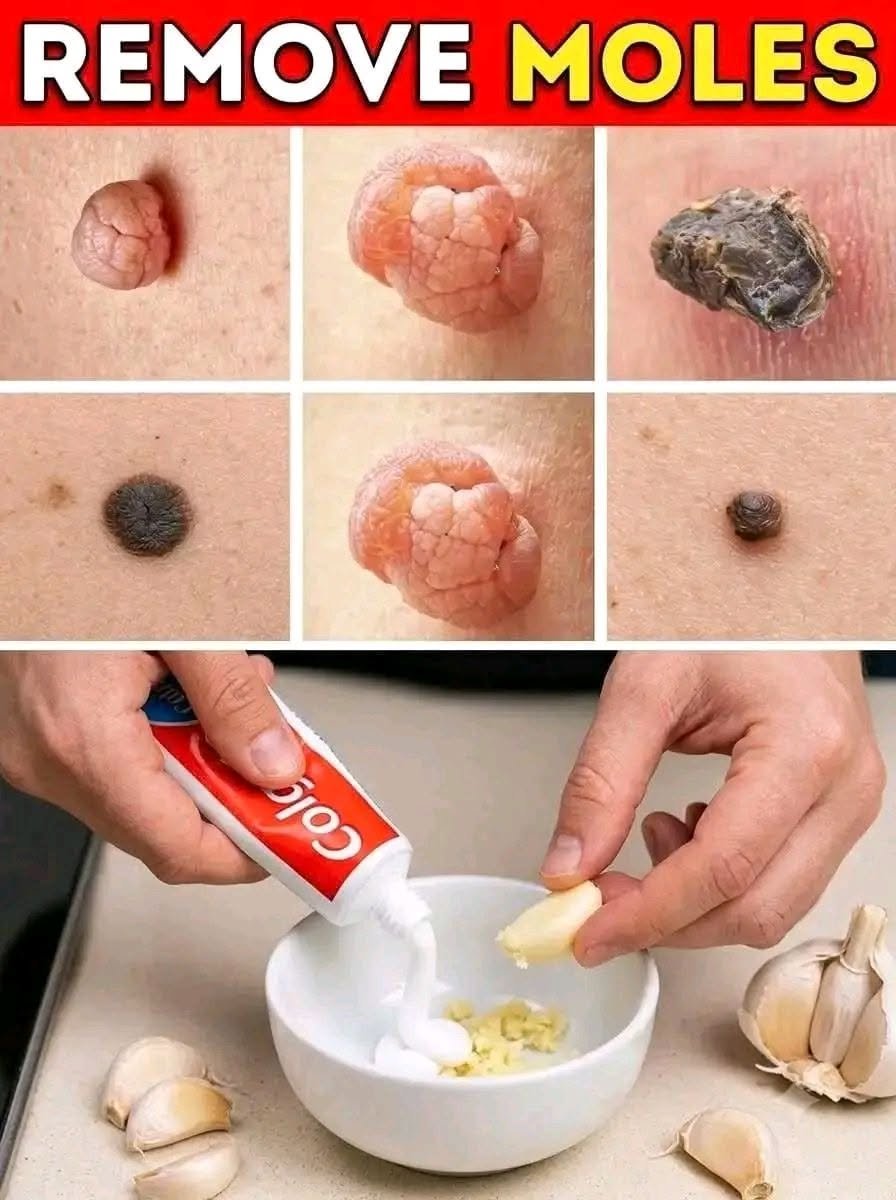
Skin tags and warts are common skin growths that can affect people of different ages. Although they are usually harmless, they can sometimes cause discomfort, irritation or embarrassment, particularly when they appear on visible areas such as the neck, face, hands or underarms.
Many people look for simple, affordable ways to manage these skin concerns at home. Ingredients such as apple cider vinegar, baking soda and tea tree oil are frequently promoted in traditional beauty remedies and online skincare discussions. However, it is important to understand what these ingredients can actually do and whether they are safe to apply to the skin.
Understanding Skin Tags and Warts
Although skin tags and warts may look similar, they are different types of skin growths.
Skin tags are small, soft growths that usually develop in areas where skin rubs against skin or clothing. They commonly appear around the neck, underarms, eyelids, groin and other skin folds. They are generally harmless and do not usually require treatment unless they become irritated or cause discomfort.
Warts, on the other hand, are caused by certain types of human papillomavirus (HPV). They can appear on the hands, feet and other parts of the body. Some warts disappear naturally as the immune system responds to the virus, while others may require treatment.
Understanding the difference is important because treatments suitable for warts may not be appropriate for skin tags.
Three Common Ingredients Found in Homemade Skin Remedies
Several household ingredients are promoted online for their potential skincare benefits. Three commonly mentioned options are apple cider vinegar, baking soda and tea tree oil.
Apple Cider Vinegar: Apple cider vinegar contains acetic acid, which gives it its characteristic acidity. Although it is sometimes promoted as a treatment for skin growths, applying it directly to the skin can cause irritation, chemical burns and even permanent scarring. There is no reliable clinical evidence that it safely removes skin tags or warts.
Baking Soda: Baking soda is commonly used in homemade skincare preparations because of its mild abrasive properties. However, applying it to sensitive or damaged skin may cause dryness and irritation. It has not been proven to remove skin tags or treat HPV-related warts.
Tea Tree Oil: Tea tree oil contains compounds that have demonstrated antimicrobial activity in laboratory studies. However, there is insufficient clinical evidence to establish it as an effective treatment for skin tags or warts. Undiluted tea tree oil can also cause allergic reactions, redness and skin irritation.
Although these ingredients are popular in homemade beauty discussions, combining them does not create a medically proven or safe skin-growth removal treatment.
Why You Should Avoid Applying Homemade Mixtures to Skin Growths
A mixture containing apple cider vinegar, baking soda and essential oils may sound like an inexpensive alternative to commercial treatments. However, applying it under a bandage or leaving it on overnight can increase the risk of skin damage.
Possible complications include redness, burning, blistering, allergic reactions, infection and permanent scarring.
It is particularly important to avoid experimenting with homemade treatments around the eyes, on the face, in the genital area or on broken skin.
Safer Ways to Manage Skin Tags
Most skin tags do not require treatment. However, if a growth becomes uncomfortable, catches on clothing or causes cosmetic concerns, a healthcare professional can assess it and discuss suitable removal options.
Common medical procedures include:
- Cryotherapy: Freezing the growth using liquid nitrogen.
- Electrocautery: Using controlled electrical energy to remove the growth.
- Surgical removal: Carefully removing the skin tag using sterile medical instruments.
These procedures are generally straightforward when performed by a qualified healthcare professional.
Never attempt to cut off a skin tag yourself or tie it tightly with thread, as this can cause bleeding, infection and other complications.
Effective Treatment Options for Common Warts
Unlike skin tags, some common warts can be treated using appropriately formulated over-the-counter products.
Salicylic acid is one established treatment option. It gradually removes layers of affected skin and is available in products specifically designed for wart treatment.
Cryotherapy is another option that may be recommended by a healthcare professional.
Treatment depends on the wart’s location, size and type. Warts around the eyes, on the face or in the genital area should not be treated with ordinary over-the-counter wart-removal products without professional advice.
How to Keep Your Skin Healthy
Healthy skin habits can help protect the skin and reduce irritation.
Keep these simple practices in mind:
- Wash your skin gently with suitable cleansing products.
- Keep skin folds clean and dry.
- Avoid picking, scratching or cutting skin growths.
- Do not share personal grooming tools.
- Avoid applying harsh household ingredients to sensitive areas.
- Use appropriate moisturisers to prevent excessive dryness.
- Seek medical advice when a skin growth changes unexpectedly.
It is also important to remember that maintaining hydration and eating a balanced diet support general health but do not directly remove existing skin tags or warts.
When Should You See a Healthcare Professional?
Not every skin growth is a skin tag or wart. Some other skin conditions can look very similar, so an accurate diagnosis is important before attempting removal.
Arrange a medical examination if a growth:
- Changes rapidly in size, shape or colour.
- Starts bleeding without an obvious injury.
- Becomes painful, swollen or persistently irritated.
- Develops an irregular appearance.
- Changes significantly over a short period.
A healthcare professional can examine the growth and determine whether treatment or further investigation is necessary.
Final Thoughts
Skin tags and warts are common concerns, and it is understandable that people look for affordable ways to manage them at home. Apple cider vinegar, baking soda and tea tree oil are frequently mentioned in natural skincare remedies, but there is not enough scientific evidence to recommend this three-ingredient mixture for removing skin growths.
More importantly, applying acidic or irritating substances to the skin can cause burns, inflammation and permanent marks.
The safest approach is to identify the type of growth before choosing a treatment. With appropriate medical advice and established removal methods, unwanted skin growths can often be managed safely and effectively.
Remember: Natural ingredients are not automatically harmless. Protecting your skin is more important than trying an unproven remedy, particularly when a growth has not been properly diagnosed.