Lemon and Charcoal: Uses, Benefits, and Safety Tips for Home Care
Lemon and Charcoal: Uses, Benefits, and Safety Tips for Home Care
Natural household solutions are becoming increasingly popular as people look for simple and affordable ways to clean, refresh, and care for their homes. Lemon and charcoal are two ingredients often mentioned in homemade remedies because of their unique properties.
Lemon contains citric acid, which can help break down some stains and remove odors. Charcoal, especially activated charcoal, is known for its ability to absorb certain substances and trap unwanted smells. When used correctly, these ingredients can be helpful for some household tasks.
However, it is important to understand their limits and use them safely.
Why Lemon and Charcoal Are Popular
Lemon: A Natural Cleaning Ingredient
Lemon is commonly used in household cleaning because:
- Its acidity can help loosen mineral deposits and some stains.
- Its fresh scent can help reduce unpleasant odors.
- It can be useful for cleaning certain non-sensitive surfaces.
However, lemon juice is acidic and may damage delicate materials such as marble, natural stone, or sensitive skin if used improperly.
Activated Charcoal: An Absorbent Material
Activated charcoal has many tiny pores that allow it to absorb certain substances.
It is often used for:
- Odor control
- Filtration systems
- Certain medical applications under professional guidance
Regular charcoal used for grilling is not the same as activated charcoal and should not be used interchangeably.
Household Uses of Lemon and Charcoal
1. Natural Odor Control
Activated charcoal can help absorb unpleasant smells in areas such as:
- Refrigerators
- Closets
- Bathrooms
- Shoes or storage areas
Adding a lemon scent may make the area smell fresher, although the charcoal itself is responsible for odor absorption.
Simple method:
Place activated charcoal in a breathable container or small bag and add a few drops of lemon essential oil if desired.
2. Cleaning Certain Surfaces
A mixture of charcoal powder and lemon juice is sometimes used as a homemade cleaning paste.
It may help with some surface stains because:
- Charcoal provides mild scrubbing action.
- Lemon acidity may help loosen certain residues.
Always test on a small hidden area first. Avoid using acidic mixtures on surfaces that can be damaged by acids.
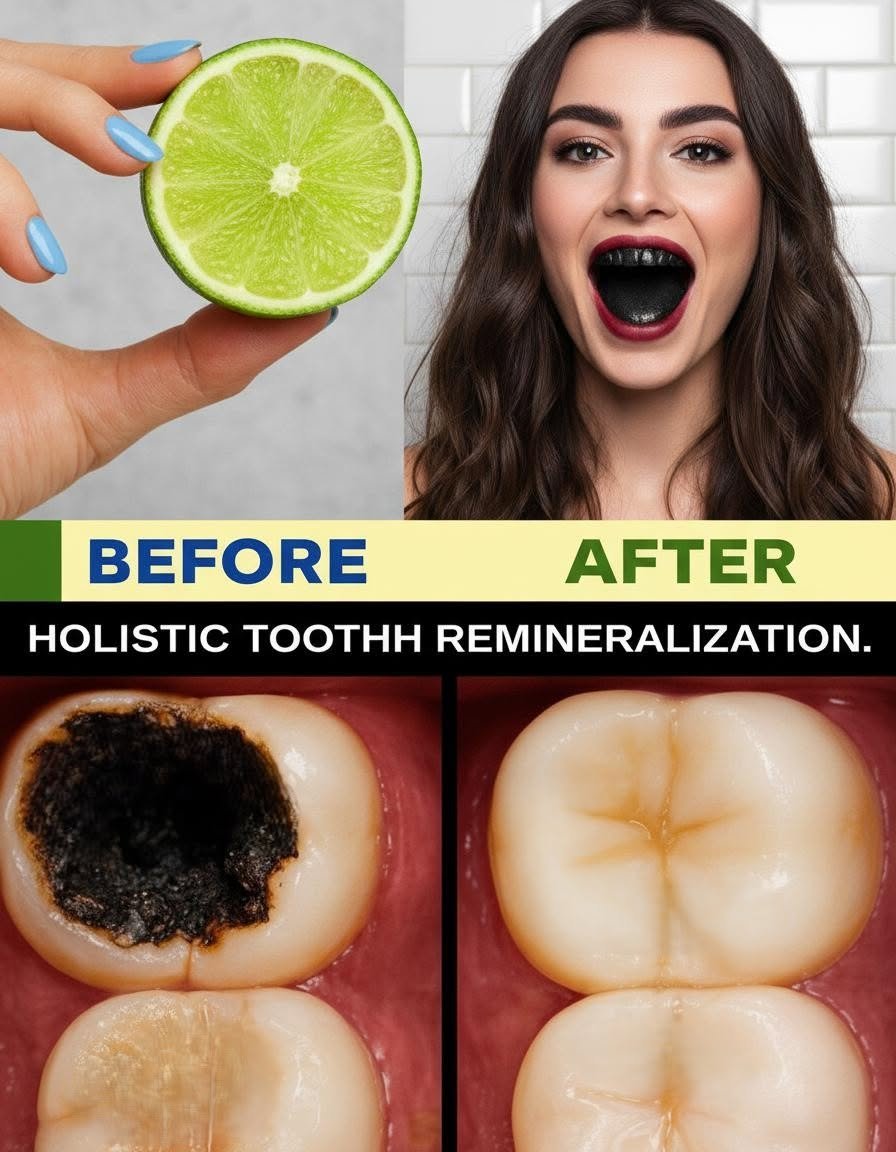
3. Teeth Whitening: Be Careful
Activated charcoal is sometimes marketed as a natural teeth whitener. It may remove some surface stains temporarily because of its texture.
However:
- It does not remove tartar.
- Lemon juice can weaken tooth enamel because of its acidity.
- Frequent charcoal brushing may be too abrasive.
For safer whitening, use dentist-approved whitening products and maintain good brushing and flossing habits.
4. Skin Care Claims
Some people use charcoal and lemon masks believing they remove impurities and brighten skin.
While charcoal may absorb oils from the skin, lemon juice can cause:
- Irritation
- Dryness
- Increased sensitivity to sunlight
People with sensitive skin should be especially cautious. Always perform a patch test before applying new ingredients to the face.
Important Safety Tips
Protect Your Teeth
Avoid regularly applying lemon juice directly to teeth because acids can contribute to enamel erosion.
Protect Your Skin
Do not use lemon juice on skin before sun exposure. Citrus compounds can increase the risk of skin irritation and sun sensitivity.
Use the Right Type of Charcoal
Only use products specifically labeled for their intended purpose. Activated charcoal for household or cosmetic use is different from barbecue charcoal.
Avoid Damaging Surfaces
Do not use lemon-based cleaners on:
- Marble
- Granite
- Unsealed stone
- Sensitive finishes
What Lemon and Charcoal Cannot Do
Despite many online claims, this combination cannot:
- Detoxify the body.
- Cure skin conditions.
- Replace professional cleaning products in every situation.
- Permanently whiten teeth.
- Remove all types of stains.
Natural ingredients can be useful tools, but they are not always substitutes for scientifically tested products.
Final Thoughts
Lemon and activated charcoal can be practical household ingredients when used carefully. Charcoal may help control odors, while lemon can assist with certain cleaning tasks.
The key is moderation and safety. Understanding what these ingredients can and cannot do helps you use natural solutions wisely while protecting your health, teeth, skin, and home surfaces.