Teeth Whitening at Home: What Works, What Doesn’t, and How to Protect Your Smile
Teeth Whitening at Home: What Works, What Doesn’t, and How to Protect Your Smile
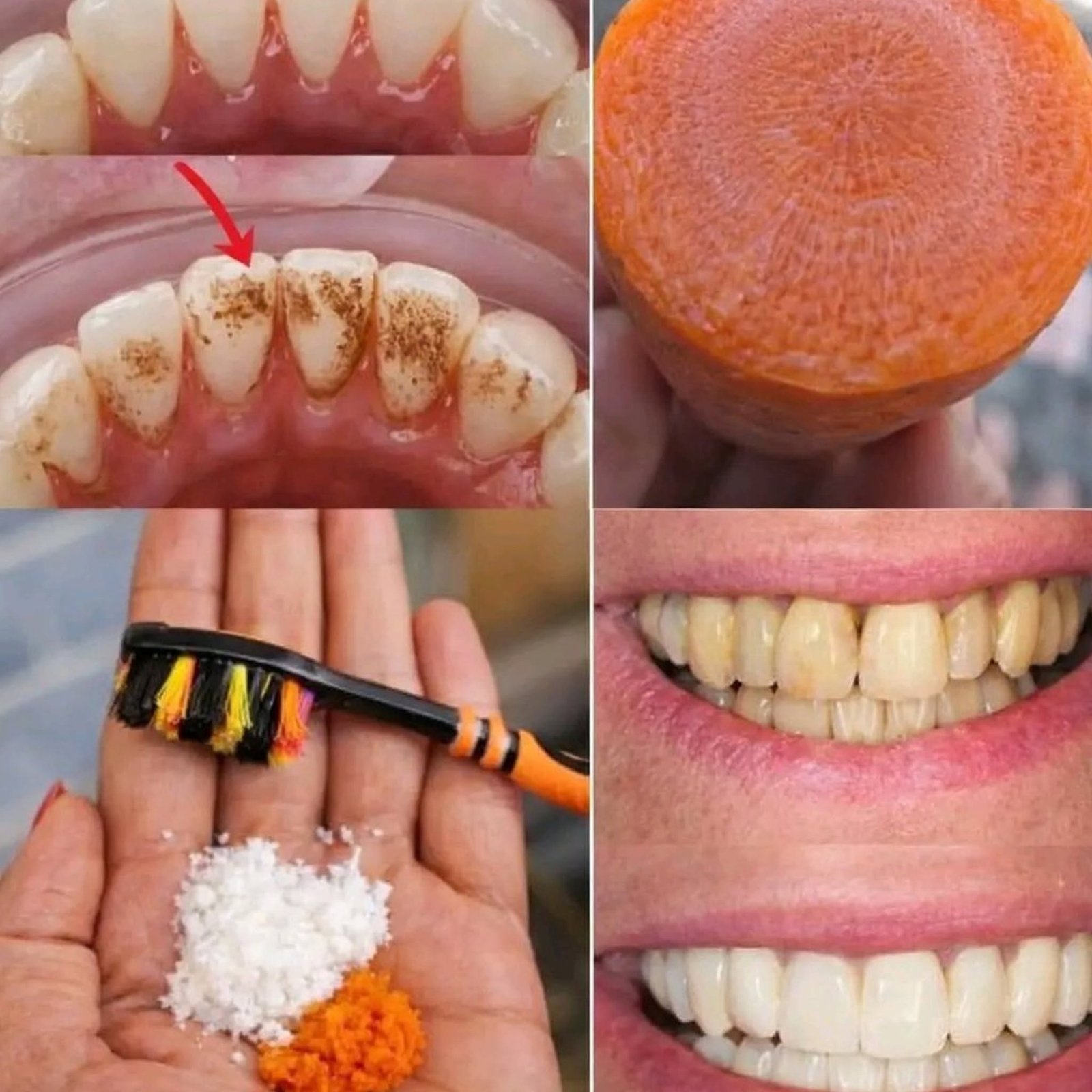
A bright smile is something many people want, but not every viral “natural whitening” method is safe or effective. One popular claim suggests that mixing carrots with lemon juice, baking soda, and salt can remove yellow stains and tartar in just a few minutes.
While some ingredients may have benefits for oral health, it is important to understand what science actually says before trying any home remedy.
Can Carrots Whiten Teeth?
Carrots are a healthy food that supports overall wellness. Their crunchy texture can help stimulate saliva production while chewing, and saliva naturally helps wash away food particles and protect the mouth.
Carrots also contain nutrients such as vitamin A, which supports healthy gums and oral tissues.
However, carrots do not bleach teeth or remove hardened tartar. Eating carrots can be part of a healthy diet, but they cannot replace proper dental cleaning or whitening treatments.
The Truth About Yellow Teeth
Teeth can appear yellow for several reasons, including:
- Natural changes as enamel becomes thinner with age
- Staining from coffee, tea, tobacco, or certain foods
- Plaque buildup
- Tartar (hardened plaque)
- Poor oral hygiene habits
Not all tooth discoloration can be removed with brushing or home remedies. Some changes are part of normal aging and tooth structure.
Does Baking Soda Remove Stains?
Baking soda is sometimes used in dental products because it has mild cleaning properties. It may help remove some surface stains when used correctly in toothpaste formulations.
However:
- It does not dissolve tartar.
- Excessive scrubbing can irritate gums.
- Frequent use of abrasive mixtures may wear down enamel.
A healthy smile depends more on consistent oral care than aggressive cleaning methods.
Why Lemon Juice Can Be Risky for Teeth
Many natural whitening recipes include lemon because it contains citric acid. Although acids may temporarily make teeth feel cleaner, repeated exposure can weaken tooth enamel.
Enamel erosion may lead to:
- Increased tooth sensitivity
- Greater risk of cavities
- A more yellow appearance as the inner tooth layer becomes visible
Dentists generally recommend avoiding regular use of acidic substances directly on teeth.
What About Salt Scrubbing?
Salt has a rough texture and may physically remove some surface debris, but there is no strong evidence that salt scrubbing safely whitens teeth.
Using abrasive powders or harsh scrubbing techniques can damage the protective enamel layer over time.
Safe Ways to Maintain a Brighter Smile
For a healthier and cleaner smile, consider these proven habits:
1. Brush Regularly
Brush twice daily with fluoride toothpaste. Use gentle circular motions and avoid brushing too aggressively.
2. Clean Between Teeth
Floss or use interdental cleaners to remove plaque from areas a toothbrush cannot reach.
3. Reduce Staining Habits
Limit frequent consumption of:
- Coffee
- Tea
- Tobacco products
- Dark-colored drinks
4. Get Professional Dental Cleanings
Dental professionals can remove tartar buildup that cannot be removed at home.
5. Consider Dentist-Approved Whitening
Professional whitening treatments and approved whitening products can safely improve tooth color when used correctly.
How to Prevent Tartar Buildup
Tartar forms when plaque is not removed and becomes hardened over time. Prevention includes:
- Brushing twice daily
- Flossing regularly
- Drinking enough water
- Maintaining regular dental checkups
- Keeping a balanced diet
When to Visit a Dentist
You should seek dental advice if you notice:
- Hard yellow or brown deposits on teeth
- Bleeding gums
- Tooth pain
- Persistent bad breath
- Loose teeth
- Increased sensitivity
These signs may indicate gum disease, cavities, or tartar buildup requiring professional care.
Final Thoughts
Natural foods like carrots can support a healthy lifestyle, but they are not a miracle teeth-whitening treatment. Home mixtures containing lemon juice, salt, or abrasive ingredients may do more harm than good if used incorrectly.
The safest way to achieve a cleaner, brighter smile is through good daily oral hygiene, regular dental visits, and proven whitening methods recommended by dental professionals.
A healthy smile is not created by quick fixes—it is built through consistent care.