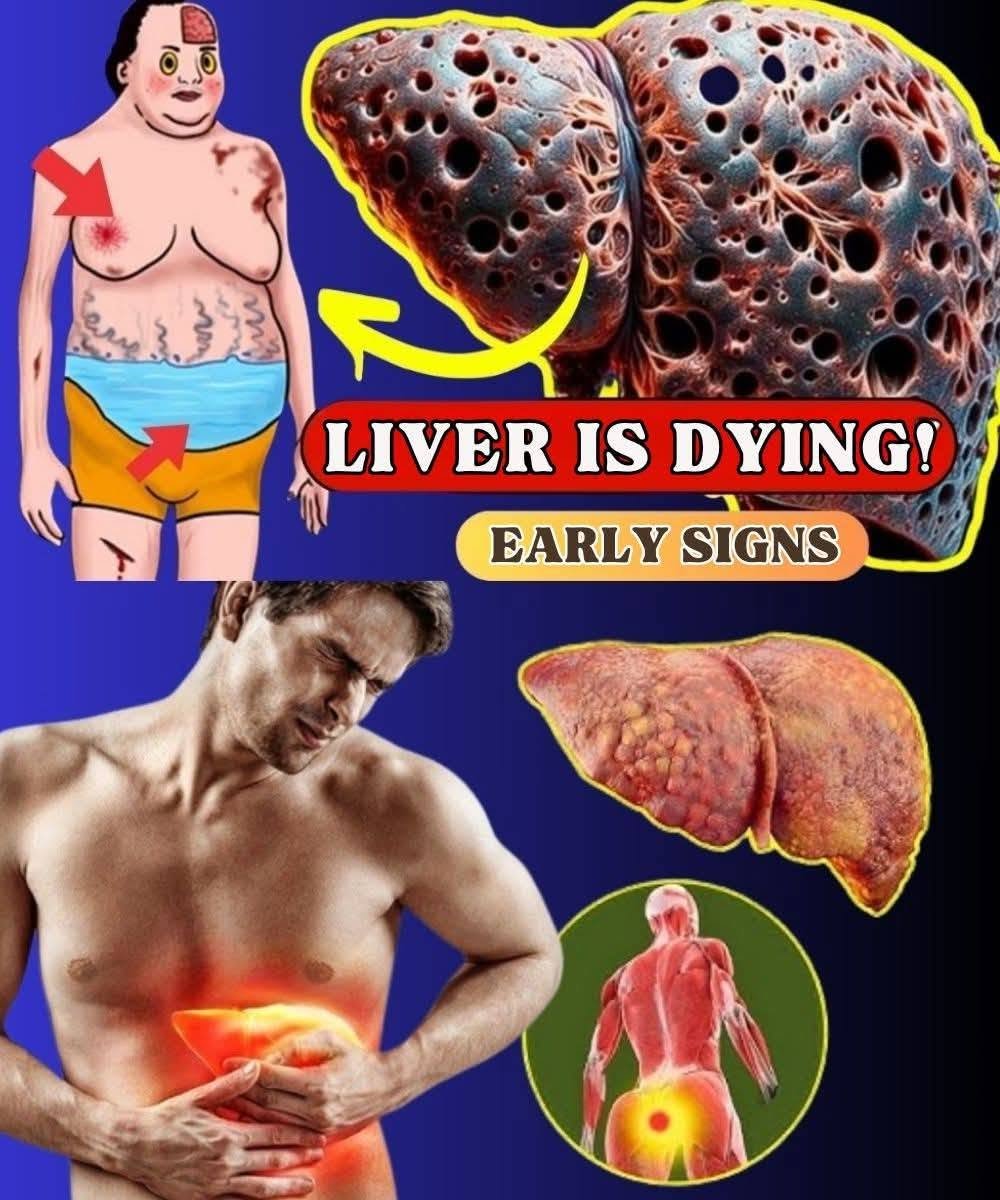
Is Your Liver in Trouble? 17 Early Warning Signs You Should Never Ignore
Is Your Liver in Trouble? 17 Early Warning Signs You Should Never Ignore
Your liver is one of the most important organs in your body. It performs hundreds of essential functions, including filtering harmful substances from the blood, processing nutrients, producing bile for digestion, and helping regulate metabolism.
Despite its importance, liver problems can develop silently over time. Some people experience few or no noticeable symptoms during the early stages of liver disease. Others may develop warning signs that are easy to mistake for ordinary tiredness, digestive problems, or muscle discomfort.
Recognizing these symptoms early can help you seek medical attention before serious complications develop.
Here are 17 possible warning signs of liver problems that everyone should know.
1. Persistent Fatigue and Weakness
Feeling unusually tired despite getting enough sleep can sometimes be associated with liver disease.
When the liver is not functioning properly, changes in metabolism and other body processes may contribute to fatigue.
However, tiredness has many possible causes, including anemia, sleep disorders, thyroid problems, and stress.
2. Yellowing of the Skin and Eyes
Yellowing of the skin or whites of the eyes is known as jaundice.
It occurs when bilirubin, a yellow substance produced during the normal breakdown of red blood cells, builds up in the body.
Jaundice can be associated with hepatitis, bile duct obstruction, and other liver conditions. New or unexplained jaundice requires urgent medical assessment.
3. Pain or Discomfort in the Upper Right Abdomen
The liver is located in the upper-right portion of the abdomen, beneath the ribs.
Some people with liver conditions experience discomfort or a feeling of fullness in this area.
Persistent abdominal pain should not automatically be attributed to the liver, as gallbladder, stomach, and other conditions can cause similar symptoms.
4. Swelling in the Abdomen
An unusually swollen abdomen may sometimes indicate fluid accumulation, a condition known as ascites.
Ascites can occur in advanced liver disease, particularly when cirrhosis affects blood flow and fluid regulation.
Sudden abdominal swelling or increasing abdominal size should be evaluated by a healthcare professional.
5. Swelling in the Legs and Ankles
Fluid can accumulate in the lower legs and ankles when advanced liver disease affects the body’s ability to regulate fluid and blood circulation.
This swelling is known as peripheral edema.
Heart disease, kidney problems, and certain medications can also cause swollen legs, so proper assessment is important.
6. Dark-Colored Urine
Urine that becomes unusually dark, particularly when accompanied by yellowing of the eyes or skin, can be a sign of increased bilirubin.
Dark urine can also result from dehydration, medications, and other medical conditions.
If the change persists or occurs alongside other symptoms, seek medical advice.
7. Pale or Clay-Colored Stools
Healthy stool is usually brown because of substances produced during the normal processing of bile.
When bile cannot reach the intestines properly, stools may become unusually pale or clay-colored.
This can occur with bile duct obstruction or certain liver conditions and should be medically investigated.
8. Persistent Itchy Skin
Some people with liver or bile duct disorders experience itching without an obvious rash.
This can happen when substances associated with impaired bile flow accumulate in the body.
Persistent unexplained itching, especially alongside jaundice or dark urine, deserves medical attention.
9. Easy Bruising or Unusual Bleeding
The liver produces several proteins needed for normal blood clotting.
Advanced liver disease can interfere with their production, making some people more likely to bruise or bleed.
Frequent unexplained bruising, nosebleeds, or bleeding gums should be discussed with a healthcare professional.
10. Loss of Appetite
A reduced desire to eat may occur in people with liver disease.
Some individuals also experience nausea, abdominal discomfort, or a feeling of fullness after eating small amounts.
Persistent appetite changes and unexplained weight loss should be investigated rather than ignored.
11. Nausea and Vomiting
Nausea and vomiting can occur with certain liver conditions, including acute hepatitis.
However, these symptoms are extremely common and can also be related to infections, digestive disorders, medications, and food-related illnesses.
Seek medical attention if vomiting is persistent or accompanied by jaundice, severe pain, or dehydration.
12. Unexplained Weight Loss
Unexpected weight loss can sometimes accompany chronic liver disease.
It may result from reduced appetite, digestive difficulties, changes in metabolism, or loss of muscle mass.
Unintentional weight loss should always be evaluated, particularly when it occurs alongside other persistent symptoms.
13. Muscle Loss and Weakness
Advanced liver disease can contribute to muscle wasting, also known as sarcopenia.
People may notice thinner arms and legs, reduced strength, and difficulty performing everyday activities.
Good nutrition and appropriate medical care can help address muscle loss.
14. Red Palms
Some people with chronic liver disease develop redness on the palms, known as palmar erythema.
The redness may affect both palms and is not necessarily painful.
It can also occur during pregnancy and with other medical conditions, so it is not a reliable sign of liver disease on its own.
15. Spider-Like Blood Vessels on the Skin
Spider angiomas are small clusters of blood vessels that spread outward from a central red spot.
They can appear on the face, neck, chest, and upper body.
Although multiple spider angiomas may be associated with chronic liver disease, they can also occur in otherwise healthy people.
16. Confusion and Difficulty Concentrating
When advanced liver disease prevents the liver from properly processing certain substances, toxins can affect brain function.
This complication is called hepatic encephalopathy.
Possible symptoms include:
- Difficulty concentrating.
- Confusion or unusual behavior.
- Changes in sleep patterns.
- Memory problems.
- Drowsiness.
Sudden confusion or reduced alertness requires emergency medical attention.
17. Changes in Sleep Patterns
Some people with advanced liver disease experience disrupted sleep, excessive daytime sleepiness, or difficulty sleeping at night.
These changes may occur alongside other symptoms of hepatic encephalopathy.
Sleep problems alone do not indicate liver disease, but persistent changes should be discussed with a healthcare professional.
How Can You Protect Your Liver Naturally?
Although not every liver condition can be prevented, several lifestyle choices can reduce the risk of liver damage.
1. Maintain a healthy weight: Excess body fat can increase the risk of metabolic dysfunction-associated steatotic liver disease (MASLD), commonly known as fatty liver disease.
2. Eat a balanced diet: Choose vegetables, fruits, whole grains, legumes, and healthy sources of protein. Limit sugary drinks and excessive highly processed foods.
3. Exercise regularly: Aim for at least 150 minutes of moderate physical activity each week, if your health allows.
4. Avoid excessive alcohol: Alcohol can damage liver cells and increase the risk of serious liver disease.
5. Be careful with medications: Taking too much acetaminophen (paracetamol), particularly in combination with other products containing the same ingredient, can cause serious liver injury. Follow recommended doses.
6. Protect yourself against hepatitis: Vaccination against hepatitis A and B is available for eligible people. Ask your healthcare professional about vaccination and hepatitis testing.
7. Avoid unverified detox products: Herbal supplements and liver-cleansing products are not necessarily safe. Some can actually cause liver injury.
How Do Doctors Check Liver Health?
If you experience symptoms that may indicate liver disease, a doctor may recommend several investigations.
These can include:
- Liver function blood tests: Assess enzymes and substances such as ALT, AST, ALP, bilirubin, and albumin.
- Blood clotting tests: Check how effectively your blood forms clots, including the prothrombin time and INR.
- Ultrasound: Helps examine the liver and detect certain structural changes.
- Hepatitis tests: Identify infections that can affect the liver.
- Fibrosis assessment: Tests such as elastography can help evaluate liver stiffness and possible scarring.
Not every patient needs every test. Investigations depend on symptoms, medical history, and examination findings.