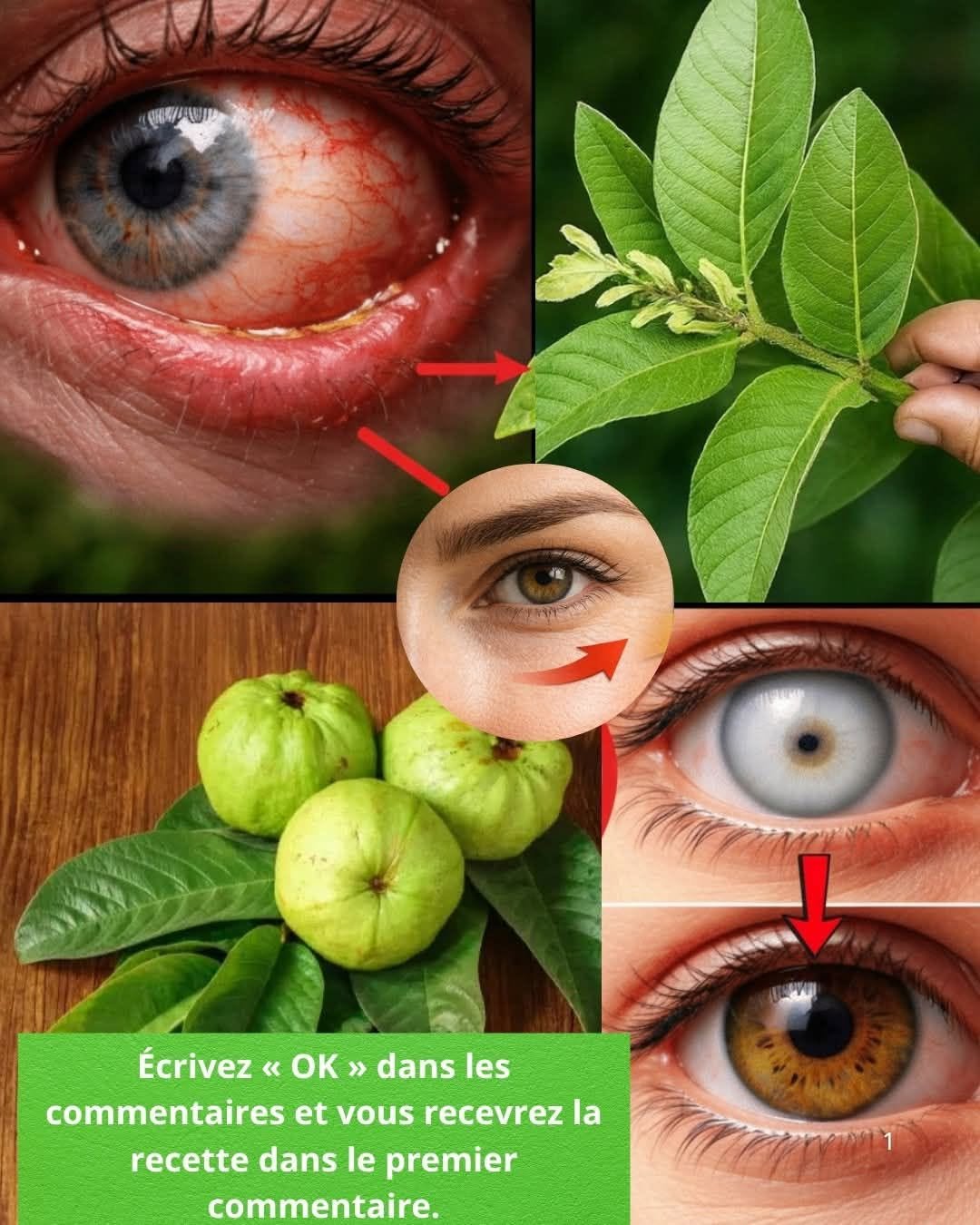
Over 40? 10 Surprising Ways Guava May Support Healthy Vision and Eye Health
Over 40? 10 Surprising Ways Guava May Support Healthy Vision and Eye Health
If you’re over 40, you may have noticed that your eyes don’t always feel the way they used to. Reading small print may become more difficult, your eyes may feel tired after a long day, and spending hours in front of a screen can leave them feeling dry or uncomfortable.
These changes can be frustrating, but they are not necessarily a sign that your eyesight is seriously deteriorating. Age-related changes in vision are common, and nutrition plays an important role in maintaining overall eye health.
One nutritious fruit worth including in a balanced diet is guava. This tropical fruit is packed with vitamin C, carotenoids, and other plant compounds that can contribute to overall health, including the health of the eyes.
Guava is not a cure for vision problems, but adding it to a nutrient-rich diet may help provide some of the vitamins and antioxidants your body needs.
Why Can Eye Health Change After 40?
As we get older, several natural changes can affect our vision. Presbyopia, for example, commonly makes it harder to focus on nearby objects.
Dry eyes, eye fatigue, and increased sensitivity to glare can also become more noticeable.
Spending long periods looking at phones, computers, or other screens can make eye discomfort more noticeable, particularly when we blink less frequently while concentrating.
Good nutrition, regular eye examinations, adequate sleep, appropriate lighting, and healthy screen habits can all contribute to maintaining comfortable and healthy eyes.
Why Is Guava Interesting for Eye Health?
Guava is particularly well known for its high vitamin C content. It also provides carotenoids and other antioxidant compounds.
Antioxidants help protect cells from oxidative stress, which is one reason why diets rich in fruits and vegetables are generally associated with good overall health.
Guava varieties differ in their nutrient content. Pink and red guavas can contain carotenoids such as lycopene, while different varieties provide varying amounts of vitamin A precursors.
10 Ways Guava May Support Your Eyes
10. Provides Vitamin C
Guava is an excellent source of vitamin C. Vitamin C contributes to normal collagen formation and provides antioxidant protection.
The eye naturally contains vitamin C, particularly in the aqueous humor, and maintaining adequate nutritional intake is part of supporting overall eye health.
However, eating guava should not be viewed as a way to reverse cataracts or restore lost vision.
9. Provides Antioxidant Compounds
Guava contains several antioxidant compounds that help protect cells from oxidative stress.
A diet containing a variety of colorful fruits and vegetables provides a broad range of antioxidants and other nutrients that support overall health.
8. Contains Carotenoids
Some varieties of guava contain carotenoids, including beta-carotene and lycopene.
Beta-carotene can be converted by the body into vitamin A, an essential nutrient for normal vision.
7. Supports Normal Vitamin A Intake
Vitamin A is important for normal vision, particularly for the functioning of the retina and adaptation to low-light conditions.
Guava can contribute to dietary intake of vitamin A precursors, although other foods—such as carrots, sweet potatoes, spinach, and other leafy greens—are also valuable sources.
6. May Contribute to Overall Eye Protection
A balanced diet rich in fruits and vegetables provides vitamins, minerals, and plant compounds that help support normal cellular function.
Guava can be one part of this dietary pattern rather than a standalone treatment for eye disease.
5. May Support General Cardiovascular Health
Eye health is closely connected to overall health. Conditions that affect blood vessels, such as diabetes and high blood pressure, can also affect the eyes.
Eating nutrient-rich fruits such as guava as part of a balanced diet can contribute to overall nutritional health.
However, eating guava alone cannot prevent diabetes-related or vascular eye disease.
4. A Convenient Nutrient-Rich Snack
Guava can be an easy addition to breakfast or a snack. It provides fiber along with vitamins and plant compounds.
Replacing highly processed snacks with whole fruits can be a simple way to improve overall diet quality.
3. Provides Dietary Fiber
Guava contains dietary fiber, which supports digestive health and can contribute to a balanced diet.
Although fiber does not directly improve eyesight, maintaining good overall health supports the body’s normal functions, including those involved in eye health.
2. Can Add Variety to a Healthy Diet
No single food contains everything the eyes need. Eating a variety of vegetables, fruits, whole grains, legumes, nuts, seeds, and other nutrient-rich foods is a better strategy for long-term health.
Guava can contribute vitamin C, carotenoids, and other beneficial plant compounds to that overall pattern.
1. Helps You Build a Nutrient-Rich Eating Pattern
Perhaps the biggest benefit of guava is that it is an easy way to add more fruit and nutrients to your diet.
Instead of looking for one “miracle” food to restore eyesight, focus on a diverse diet that provides the nutrients your eyes and body need.
How to Add Guava to Your Diet
There are several simple ways to enjoy guava:
Eat fresh guava as a snack.
Add sliced guava to fruit salads.
Blend guava into a smoothie.
Add chopped guava to yogurt or oatmeal.
Enjoy it alongside other colorful fruits.
Fresh whole fruit is generally preferable to heavily sweetened guava drinks or juices because whole fruit provides fiber and does not require added sugar.
What About Screen-Related Eye Strain?
Eating guava may contribute to overall nutrition, but it will not directly prevent digital eye strain.
If screens make your eyes tired or dry, try following the 20-20-20 rule: every 20 minutes, look at something about 20 feet away for at least 20 seconds.
You can also adjust screen brightness, reduce glare, maintain a comfortable viewing distance, and remember to blink regularly.
When Should You Have Your Eyes Checked?
Do not rely on food or home remedies if you notice changes in your vision.
Schedule an eye examination if you experience persistent blurred vision, difficulty seeing at night, frequent headaches associated with vision, increasing eye strain, or difficulty reading.
Seek urgent medical attention for sudden vision loss, sudden flashes or floaters, severe eye pain, or a sudden curtain-like shadow across your vision.
Final Thoughts
Guava is a nutritious fruit that can make a valuable contribution to a balanced diet. Its vitamin C, carotenoids, fiber, and other plant compounds may support overall health and provide nutrients important for normal body function.
However, guava cannot restore damaged eyesight, eliminate the need for glasses, or cure eye diseases.
For people over 40, the best approach to long-term eye health is a combination of a nutritious diet, regular physical activity, healthy screen habits, protection from excessive UV exposure, management of conditions such as diabetes and high blood pressure, and regular eye examinations.
Think of guava as one healthy piece of the bigger picture—not a miracle cure for vision problems.