Discover the Natural Benefits of Guava Leaves: 3 Simple Ways to Support Dental Health 🌿🦷
Discover the Natural Benefits of Guava Leaves: 3 Simple Ways to Support Dental Health 🌿🦷
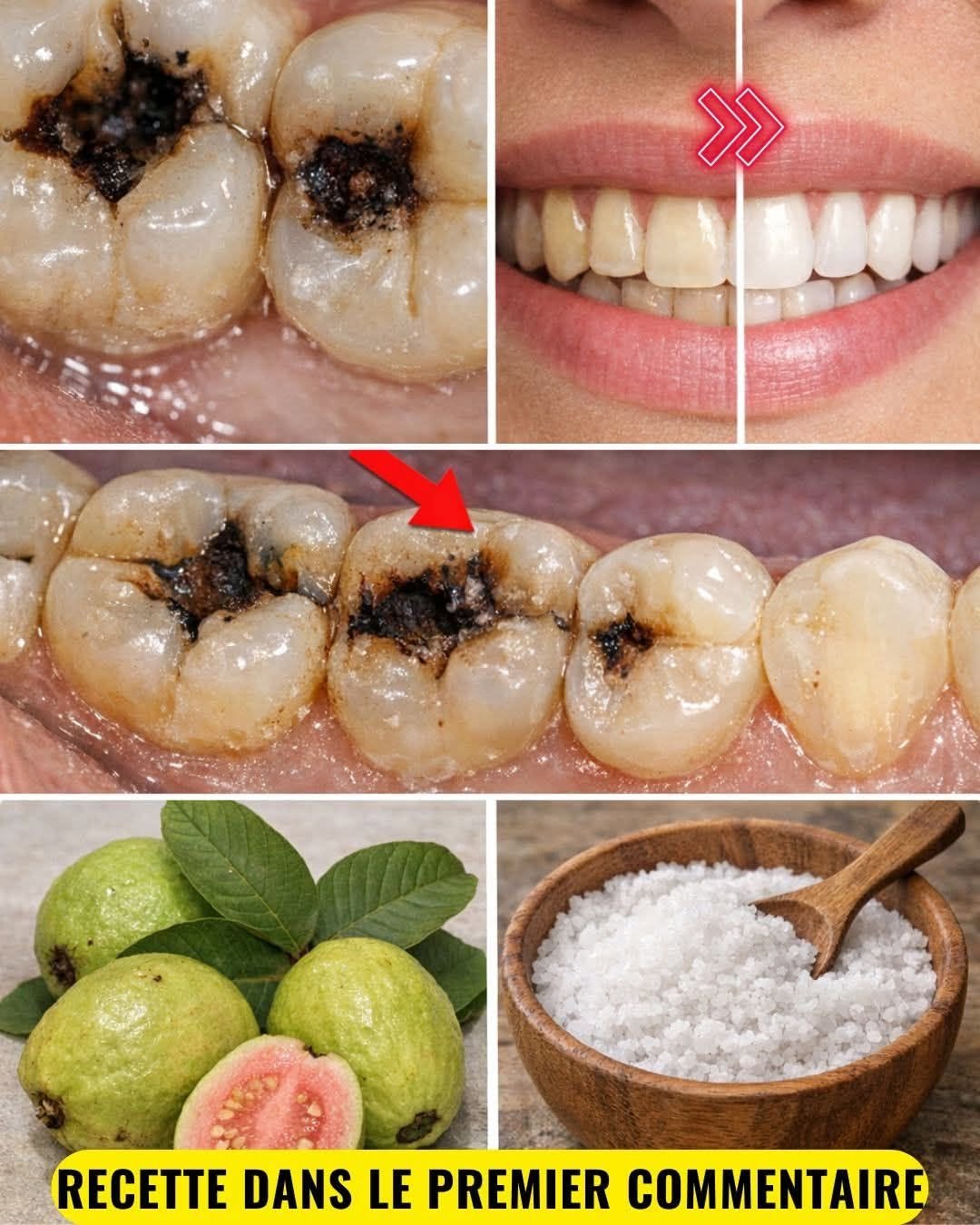
Imagine experiencing a sharp pain every time you eat something sweet or cold, or noticing a small dark spot slowly developing on one of your teeth. Tooth decay can begin quietly and become more painful as it progresses.
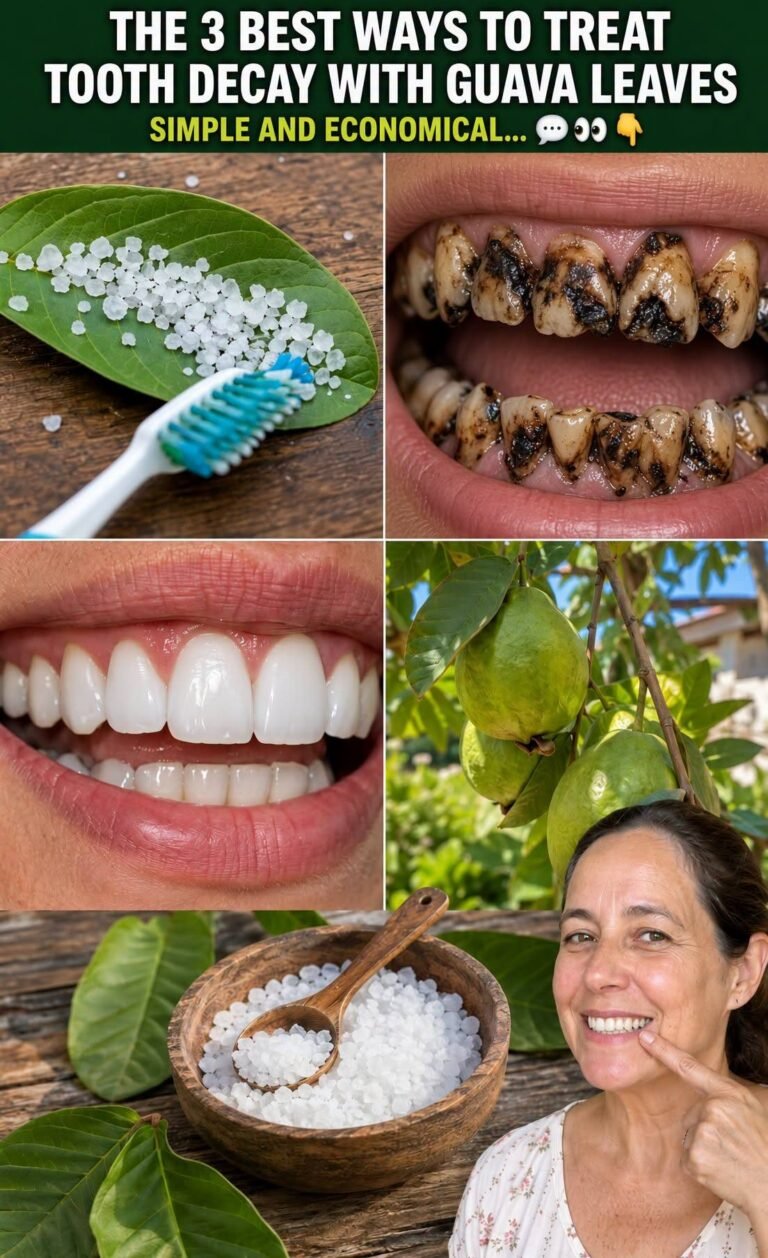
Many people look for natural and affordable ways to support their oral health. Guava leaves have been used traditionally in different cultures for oral care, and they contain plant compounds such as flavonoids, tannins, and quercetin that have demonstrated antibacterial and antioxidant properties in laboratory and preliminary research.
However, it is important to understand that guava leaves cannot repair or permanently remove an established dental cavity. A cavity that has caused permanent damage to the tooth requires professional dental care.
What Causes Dental Cavities?
Dental cavities develop when bacteria in dental plaque use sugars from food and drinks to produce acids. Over time, these acids can weaken and damage tooth enamel.
One of the bacteria associated with tooth decay is Streptococcus mutans. Poor oral hygiene, frequent consumption of sugary foods and drinks, dry mouth, and inadequate fluoride exposure can increase the risk of cavities.
Common warning signs include:
Tooth sensitivity to hot or cold foods
Sensitivity to sweet foods
Toothache
White, brown, or dark spots on a tooth
Visible holes or pits in the tooth
Pain while chewing
If you experience persistent tooth pain or notice a visible cavity, it is important to see a dentist.
Why Are Guava Leaves Used for Oral Care?
Guava leaves contain several naturally occurring plant compounds that have been investigated for their potential antimicrobial and anti-inflammatory properties.
Some early research suggests that guava leaf preparations may help reduce certain oral bacteria and plaque. However, evidence from laboratory studies or small clinical studies should not be interpreted as proof that guava leaves can cure tooth decay.
They may be considered a supportive oral-care practice, but they should not replace brushing with fluoride toothpaste, flossing, or professional dental treatment.
3 Simple Ways to Use Guava Leaves for Oral Care
1. Chewing Clean Guava Leaves
Traditionally, fresh guava leaves have been chewed as a simple way to freshen the mouth.
How to try it:
Choose 1–2 young, healthy guava leaves.
Wash them thoroughly with clean water.
Chew them gently for a short period.
Spit out the leaves and rinse your mouth with water.
This may leave your mouth feeling fresher, but it should not be expected to remove a cavity or rebuild damaged enamel.
Avoid chewing leaves if you have open sores, significant gum irritation, or pain that becomes worse with chewing.
2. Guava Leaf Mouth Rinse
A mild guava leaf infusion can be used as an occasional mouth rinse.
How to prepare it:
Wash 5–7 guava leaves thoroughly.
Place them in approximately 2 cups of water.
Bring the water to a boil and simmer for around 10 minutes.
Allow the liquid to cool.
Strain the leaves.
Use the cooled liquid as a gentle mouth rinse.
Do not swallow the rinse. Stop using it if it causes irritation or an allergic reaction.
While guava leaf preparations may have antimicrobial properties, they should not be considered a substitute for fluoride toothpaste or professional dental care.
3. Guava Leaf Paste
Fresh guava leaves can also be crushed into a simple paste.
How to prepare it:
Wash several fresh guava leaves.
Crush them thoroughly until they form a paste.
Apply a small amount to the gums for a short period.
Rinse your mouth afterward.
There is no strong evidence that applying guava leaf paste directly to a tooth can treat or reverse a cavity. Avoid adding salt or other abrasive ingredients, as they may irritate the gums or damage the tooth surface if used aggressively.
Potential Oral Health Benefits of Guava Leaves
Research into guava leaves has identified several compounds that may have useful biological properties.
Antibacterial Properties
Certain compounds in guava leaves have shown antibacterial activity in laboratory research. This may explain their traditional use in oral hygiene.
Antioxidant Activity
Guava leaves contain plant compounds with antioxidant properties. Antioxidants can help protect cells from oxidative stress.
Possible Gum Support
Because some guava leaf compounds have anti-inflammatory properties, guava leaf preparations may potentially provide mild support for irritated gums.
However, more high-quality clinical research is needed before guava leaves can be recommended as a proven treatment for dental disease.
Can Guava Leaves Actually Cure Cavities?
No.
This is the most important point.
Once a cavity has created permanent damage to the tooth, a home remedy cannot rebuild the missing tooth structure. Early enamel damage may sometimes be stopped or reversed with appropriate fluoride exposure and improved oral hygiene, but an established hole in a tooth requires evaluation by a dentist.
Depending on the severity of the decay, treatment may involve fluoride treatment, a dental filling, root canal treatment, or another appropriate procedure.
Using guava leaves should therefore be viewed only as a possible complementary oral-care practice—not a replacement for dental treatment.
How to Protect Your Teeth Every Day
Natural remedies are much less important than proven daily dental habits.
Brush Twice a Day
Brush your teeth twice daily using fluoride toothpaste. Spend about two minutes brushing and make sure you clean all tooth surfaces gently.
Clean Between Your Teeth
Use dental floss or another appropriate interdental cleaning method to remove plaque and food particles from areas your toothbrush cannot reach.
Limit Sugary Foods and Drinks
Frequent exposure to sugar can increase the risk of tooth decay. Try to limit sugary snacks and drinks, particularly between meals.
Drink Water
Water can help keep your mouth hydrated and rinse away food particles.
Visit Your Dentist
Regular dental checkups can help identify cavities and gum problems before they become more serious.
When Should You See a Dentist?
Do not rely on home remedies if you have:
Persistent toothache
Facial or jaw swelling
A visible hole in a tooth
Severe sensitivity
Pain when biting
Pus around the gums
Fever associated with dental pain
Difficulty swallowing or breathing
Dental infections can become serious if left untreated. Swelling accompanied by difficulty breathing or swallowing requires urgent medical attention.
Final Thoughts
Guava leaves have a long history of traditional use and contain plant compounds that may have antibacterial and antioxidant properties. A mild guava leaf rinse or other traditional preparation may be used as an occasional complement to a good oral-care routine.
However, guava leaves cannot cure established cavities or replace professional dental treatment.
The most effective way to protect your teeth remains consistent brushing with fluoride toothpaste, cleaning between your teeth, limiting frequent sugar consumption, and visiting a dentist when problems develop.
If you have tooth pain or suspect that you have a cavity, getting professional dental care early is the safest way to protect your smile.