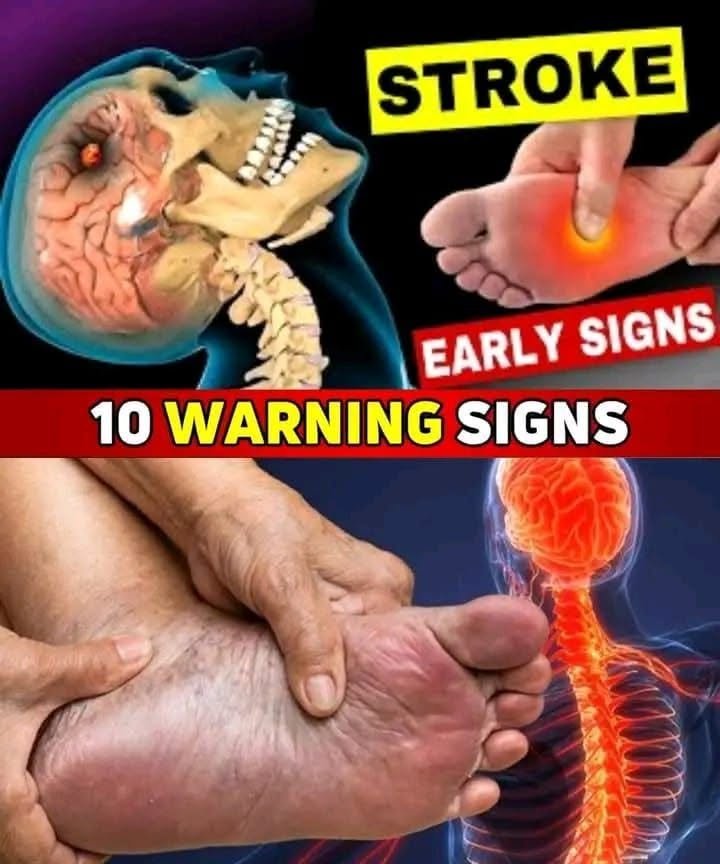
10 Warning Signs of a Stroke You Should Never Ignore: Recognize the Symptoms and Act Quickly
10 Warning Signs of a Stroke You Should Never Ignore: Recognize the Symptoms and Act Quickly
A stroke is a serious medical emergency that occurs when the blood supply to part of the brain is interrupted or when a blood vessel in the brain bursts. Without enough oxygen and nutrients, brain cells can become damaged within minutes.
One of the biggest dangers of a stroke is that its symptoms can appear suddenly, sometimes without any obvious warning. Recognizing the signs and getting emergency medical help immediately can make a life-saving difference.
Some people experience a transient ischemic attack (TIA), often called a mini-stroke, before a more serious stroke. A TIA causes temporary stroke-like symptoms and is an important warning that requires urgent medical evaluation.
Here are 10 important warning signs you should know.
1. Sudden Numbness or Weakness on One Side of the Body
One of the most recognizable signs of a stroke is sudden weakness or numbness affecting one side of the body.
You may notice:
- One arm suddenly becoming weak.
- Numbness in one leg.
- Weakness affecting one side of the face.
- Difficulty holding or lifting objects.
These symptoms occur because a stroke can affect the parts of the brain responsible for movement and sensation.
2. Sudden Difficulty Speaking
A stroke can affect the brain regions responsible for language and communication.
Someone experiencing a stroke may:
- Slur their words.
- Struggle to find the right words.
- Speak in a confused or unusual way.
- Have difficulty understanding what others are saying.
If someone suddenly develops speech difficulties, seek emergency medical assistance immediately.
3. Facial Drooping
Ask the person to smile. Does one side of their face droop or appear uneven?
Facial weakness can be an important warning sign of a stroke.
It may become noticeable when smiling, talking, or trying to move the facial muscles.
4. Sudden Vision Problems
A stroke can affect the areas of the brain responsible for processing visual information.
Possible symptoms include:
- Blurred vision.
- Double vision.
- Sudden loss of vision in one or both eyes.
- Difficulty seeing objects on one side.
Sudden changes in vision should never be ignored, even if they improve after a short time.
5. Severe and Sudden Headache
A sudden, extremely severe headache that reaches maximum intensity quickly can sometimes indicate bleeding in or around the brain.
This is particularly concerning when accompanied by vomiting, neck stiffness, confusion, or loss of consciousness.
Not every headache is related to a stroke, but an unusually severe and sudden headache requires emergency medical assessment.
6. Sudden Dizziness or Loss of Balance
A stroke can affect the brain areas responsible for balance and coordination.
Warning signs may include:
- Sudden dizziness.
- Difficulty standing or walking.
- Loss of coordination.
- Feeling unusually unsteady.
- Sudden problems controlling body movements.
These symptoms can be especially concerning when they occur alongside vision changes, weakness, or difficulty speaking.
7. Difficulty Walking
A person experiencing a stroke may suddenly struggle to walk normally.
They might stumble, drag one leg, lose coordination, or have difficulty maintaining their balance.
Sudden unexplained walking difficulties should be treated seriously, particularly when they occur with other neurological symptoms.
8. Sudden Confusion or Memory Problems
A stroke can affect the brain’s ability to process information.
Someone may suddenly:
- Become confused.
- Struggle to understand simple instructions.
- Have difficulty recognizing familiar information.
- Find it difficult to communicate clearly.
Sudden confusion is particularly concerning when accompanied by facial drooping, weakness, or speech problems.
9. Difficulty Swallowing
Some strokes affect the muscles and nerves involved in swallowing.
This may cause:
- Difficulty swallowing food or liquids.
- Coughing while eating or drinking.
- Choking sensations.
- Changes in the voice after swallowing.
Swallowing difficulties can increase the risk of food or liquid entering the lungs. Anyone with sudden swallowing problems and other possible stroke symptoms needs urgent medical assessment.
10. Sudden Loss of Coordination
A stroke can interfere with the brain’s ability to control coordinated movements.
You may notice that someone suddenly:
- Cannot control their arm or leg movements properly.
- Has difficulty picking up objects.
- Loses coordination while walking.
- Struggles with everyday movements.
Sudden loss of coordination, particularly with other neurological symptoms, may indicate a stroke.
Can a Stroke Give You Warning Signs One Month Before?
This is an important question.
There is no reliable set of symptoms that predicts a stroke exactly one month in advance.
However, some people experience a transient ischemic attack (TIA) before a stroke.
A TIA occurs when blood flow to part of the brain is temporarily interrupted. Its symptoms can resemble those of a stroke, including:
- Sudden facial weakness.
- Temporary weakness or numbness in an arm or leg.
- Difficulty speaking.
- Sudden vision loss.
- Dizziness or balance problems.
The symptoms may disappear within minutes or hours, but this does not mean the danger has passed.
A TIA is a medical emergency. Anyone experiencing these symptoms should seek emergency medical care immediately, even if they feel completely normal afterward.
Remember the FAST Stroke Test
One of the easiest ways to recognize a possible stroke is the FAST test.
F – Face: Ask the person to smile. Does one side of the face droop?
A – Arms: Ask them to raise both arms. Does one arm drift downward or fail to rise?
S – Speech: Ask them to repeat a simple sentence. Is their speech slurred, unusual, or difficult to understand?
T – Time: If you notice any of these signs, call emergency services immediately.
Do not wait for symptoms to disappear.
What Should You Do If Someone Is Having a Stroke?
Taking the correct action quickly can help improve the chances of receiving effective treatment.
- Call your local emergency medical service immediately.
- Note the time when symptoms first appeared or when the person was last known to be well.
- Keep the person safe and comfortable.
- Do not give food, drinks, or medication unless instructed by medical professionals.
- Do not give aspirin unless a healthcare professional advises it, because some strokes involve bleeding in the brain.
- Do not drive the person yourself if emergency medical transport is available.
Time is extremely important because some stroke treatments are only suitable within specific time windows.
How Can You Reduce Your Risk of Stroke?
Although not every stroke can be prevented, several lifestyle changes can significantly reduce your risk.
1. Control your blood pressure: High blood pressure is one of the leading risk factors for stroke.
2. Manage diabetes: Keeping blood glucose within your recommended range can help protect blood vessels.
3. Maintain healthy cholesterol levels: High LDL cholesterol can contribute to the development of fatty deposits in arteries.
4. Avoid smoking: Smoking damages blood vessels and increases the risk of blood clots.
5. Exercise regularly: Aim for at least 150 minutes of moderate physical activity each week, if appropriate for your health.
6. Eat a balanced diet: Include vegetables, fruits, whole grains, beans, nuts, and healthy sources of protein.
7. Limit excessive alcohol consumption: Heavy alcohol intake can increase blood pressure and stroke risk.
8. Attend regular medical checkups: Managing high blood pressure, diabetes, heart disease, and irregular heart rhythms can help reduce your risk.
Final Thoughts
A stroke can happen suddenly, and its symptoms should never be ignored. Facial drooping, arm weakness, speech difficulties, sudden vision changes, and loss of balance are important warning signs that require immediate attention.
Remember that symptoms may disappear temporarily during a TIA, but the risk of a subsequent stroke can still be serious.
Learn the FAST test, recognize the warning signs, and act immediately. When it comes to stroke, every minute matters.