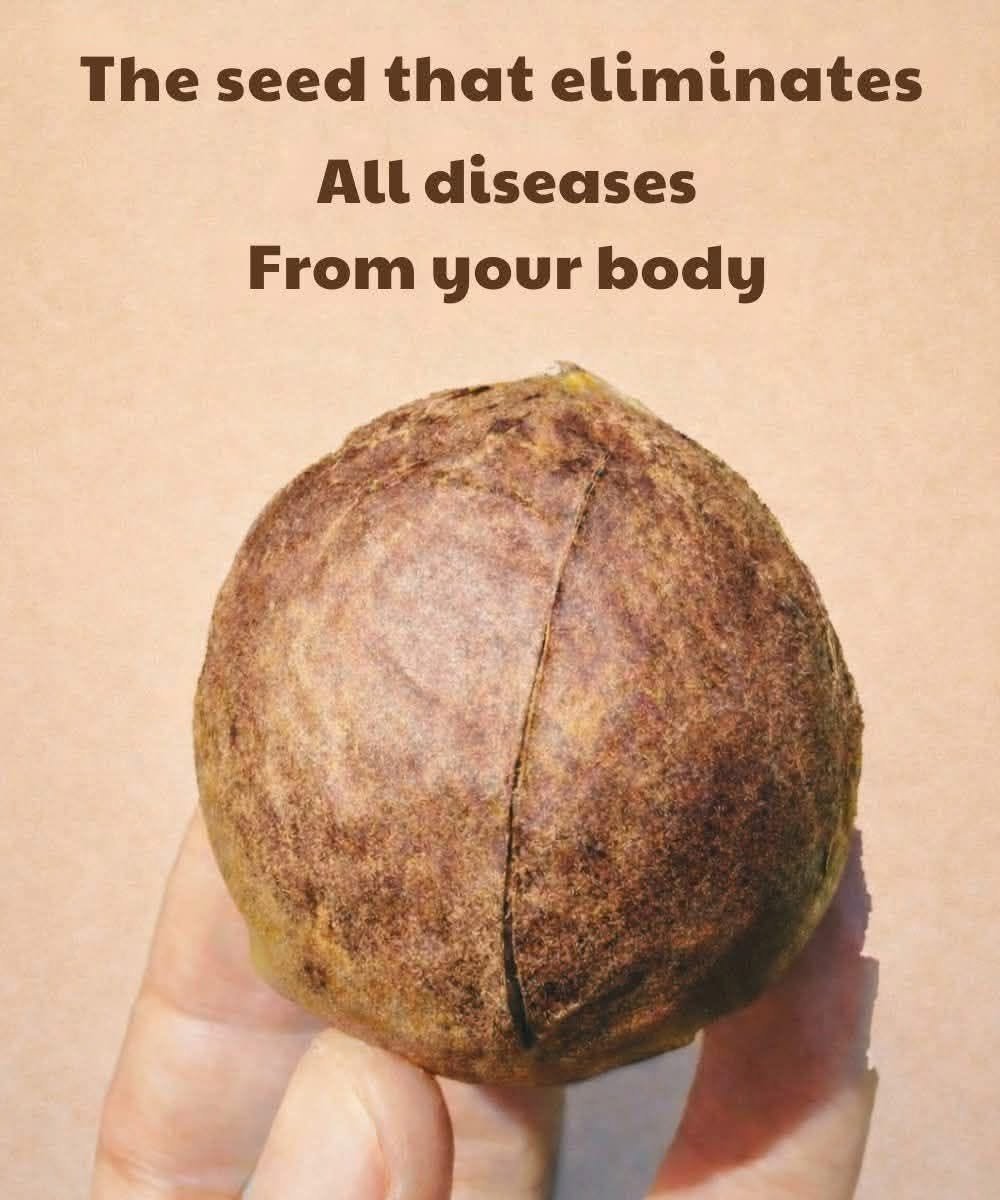
Avocado Seed Benefits: Nutritional Properties, Uses, and What You Should Know Before Consuming It
Avocado Seed Benefits: Nutritional Properties, Uses, and What You Should Know Before Consuming It
When you cut open an avocado, you probably enjoy its creamy green flesh and throw away the large seed in the middle. But have you ever wondered whether that seed contains useful nutrients or other beneficial plant compounds?
Avocado seeds have attracted attention in nutritional research because they contain polyphenols, flavonoids, and other naturally occurring compounds with antioxidant activity.
Some early laboratory studies suggest that extracts from avocado seeds may have interesting biological properties. However, there is an important distinction between discovering beneficial compounds in a laboratory and proving that eating them improves human health.
So, what makes avocado seeds interesting, what potential benefits are researchers investigating, and is it actually safe to consume them?
Let’s explore the facts.
1. What Makes Avocado Seeds Special?
The avocado seed, also known as the pit, is the large central structure found inside an avocado.
Although most people discard it, researchers have investigated avocado seeds as a potential source of useful plant compounds.
Some of the compounds identified in avocado seeds include:
- Polyphenols: Plant compounds studied for their antioxidant activity.
- Flavonoids: A group of naturally occurring compounds found in many plants.
- Dietary fibre: Carbohydrate material that may contribute to the seed’s structural composition.
- Other phytochemicals: Various naturally occurring substances being investigated for their biological properties.
Research suggests that avocado seed extracts can demonstrate antioxidant activity under laboratory conditions.
However, these findings do not establish that consuming the seed provides the same effects in the human body.
2. Potential Health Benefits Being Investigated
Avocado seeds are attracting scientific interest because of their chemical composition. Several potential benefits have been explored in early research, although most findings are based on laboratory experiments or animal studies.
A. Antioxidant Properties
One of the most widely investigated characteristics of avocado seeds is their antioxidant activity.
Antioxidants are substances that help protect cells against damage associated with unstable molecules called free radicals.
Avocado seed extracts contain polyphenols and other compounds that have demonstrated antioxidant activity in laboratory experiments.
However, researchers still need human studies to determine whether these compounds provide meaningful health benefits when consumed.
B. Potential Anti-Inflammatory Properties
Inflammation is a natural part of the body’s immune response. However, persistent inflammation is associated with several chronic health conditions.
Certain compounds extracted from avocado seeds have demonstrated anti-inflammatory activity in experimental research.
These findings are interesting, but there is currently insufficient clinical evidence to conclude that eating avocado seeds reduces inflammation or treats inflammatory diseases.
C. Research into Heart Health
Maintaining healthy cholesterol levels and blood pressure is important for cardiovascular health.
Some animal studies have investigated whether avocado seed extracts may influence cholesterol levels and other markers associated with cardiovascular health.
Although the results have attracted scientific interest, these findings cannot automatically be applied to humans.
For proven heart-health benefits, focus on established dietary habits such as eating vegetables, fruits, whole grains, nuts, and sources of unsaturated fats.
D. Potential Antimicrobial Activity
Researchers have also investigated avocado seed extracts for their potential antimicrobial properties.
Some laboratory experiments have reported activity against certain microorganisms.
However, laboratory antimicrobial activity does not mean that eating avocado seeds can prevent or treat bacterial, fungal, or viral infections.
Medical infections require appropriate diagnosis and treatment.
E. Digestive Health and Fibre
Dietary fibre plays an important role in maintaining digestive health.
It helps support regular bowel movements and contributes to the normal functioning of the digestive system.
Avocado seeds contain structural plant material, but their suitability as a dietary fibre source for humans has not been adequately established.
For reliable fibre intake, choose foods with established nutritional benefits, including:
- Oats and whole grains
- Beans and lentils
- Apples and pears
- Vegetables
- Chia and flaxseeds
3. Can You Safely Eat an Avocado Seed?
This is one of the most important questions.
Although avocado seed powder and avocado seed tea are sometimes promoted as natural health products, there is insufficient human safety research to establish how much, if any, is safe to consume regularly.
The seed contains naturally occurring compounds whose effects on human health have not been fully established.
There is also limited information about their absorption, metabolism, appropriate dosage, and possible long-term effects.
For these reasons, avocado seeds should not be treated as an established edible supplement.
My recommendation: Enjoy the avocado flesh and avoid experimenting with homemade avocado seed powders, teas, or concentrated extracts until their safety for human consumption is better understood.
4. Popular Ways People Use Avocado Seeds
Several preparation methods are shared online. It is important to understand that these are popular traditional or internet-promoted practices, not medically established ways to obtain health benefits.
Avocado Seed Powder
Some online recipes recommend drying an avocado seed, cutting or grinding it, and adding the resulting powder to smoothies or other foods.
However, there is no established safe serving size or convincing human evidence that this practice improves health.
Drying, roasting, or grinding the seed does not automatically make it safe to consume.
Avocado Seed Tea
Another popular suggestion involves drying the seed, cutting it into pieces, boiling it in water, and drinking the resulting liquid.
However, the safety and composition of homemade avocado seed tea have not been adequately studied.
Boiling the seed does not guarantee that potentially undesirable compounds are eliminated.
Topical Avocado Seed Applications
Ground avocado seed is also promoted as an ingredient in homemade exfoliating mixtures.
However, rough seed particles may irritate or scratch the skin. There is insufficient evidence that avocado seed preparations provide reliable skincare benefits.
For gentle exfoliation, consider products specifically formulated and tested for skin use.
5. Important Precautions
Before trying any food-based remedy or natural supplement, remember that natural does not automatically mean safe.
Keep the following points in mind:
- Do not assume that avocado seed powder or tea is safe for daily consumption.
- Avoid using concentrated avocado seed extracts without reliable safety information.
- Do not use avocado seeds as a replacement for prescribed medication.
- Pregnant or breastfeeding individuals should avoid unproven herbal preparations unless their healthcare professional confirms they are appropriate.
- People taking regular medication should consult a healthcare professional before introducing unfamiliar supplements.
- Do not apply rough seed powder to irritated, broken, or sensitive skin.
If you experience an adverse reaction after using an avocado seed preparation, stop using it and seek medical advice.
6. How to Enjoy the Proven Nutritional Benefits of Avocados
If you want to make the most of an avocado, the flesh is the part with well-established nutritional benefits.
Avocado flesh provides:
- Monounsaturated fats: Healthy unsaturated fats that can support cardiovascular health when used in place of saturated fats.
- Dietary fibre: Helps support digestive health and fullness.
- Potassium: An essential mineral involved in normal muscle and nerve function.
- Folate: Important for normal cell division and growth.
- Vitamin E: An antioxidant vitamin that helps protect cells.
Easy Ways to Include Avocado in Your Diet
1. Avocado Toast
Mash ripe avocado onto whole-grain toast. Add black pepper, lemon juice, and a little olive oil.
2. Avocado Smoothie
Blend avocado flesh with milk or an unsweetened alternative, banana, and a little cinnamon.
3. Fresh Avocado Salad
Combine avocado slices with tomatoes, cucumber, leafy greens, and lemon dressing.
4. Avocado and Egg Breakfast
Serve sliced avocado with boiled or scrambled eggs for a filling breakfast containing healthy fats and protein.
These options provide nutrients supported by established food-composition and nutrition research.
Frequently Asked Questions
Is it safe to eat avocado seeds every day?
There is insufficient human research to establish the safety of regular avocado seed consumption. It is better to enjoy the avocado flesh rather than make avocado seed powder or tea a daily habit.
Are avocado seeds richer in antioxidants than avocado flesh?
Some laboratory studies have found substantial antioxidant activity in avocado seed extracts. However, comparing laboratory antioxidant measurements does not establish which part of the fruit provides greater health benefits when eaten.
Can avocado seeds help with weight loss?
There is no convincing human evidence that eating avocado seeds causes weight loss. Healthy weight management depends on overall dietary habits, physical activity, sleep, and energy balance.
Can avocado seed tea reduce inflammation?
Avocado seed extracts have demonstrated potential anti-inflammatory activity in experimental research. However, there is no reliable clinical evidence that drinking avocado seed tea reduces inflammation in people.
Is avocado flesh healthier than the seed?
Avocado flesh is an established nutritious food containing healthy fats, fibre, vitamins, and minerals. The safety and nutritional value of consuming avocado seeds have not been sufficiently established.
Final Thoughts
Avocado seeds are an interesting subject of scientific research because they contain polyphenols, flavonoids, and other plant compounds with potential antioxidant and biological properties.
However, promising laboratory findings should not be confused with proven health benefits. Researchers still need well-designed human studies to establish whether avocado seeds are safe to consume and whether they offer meaningful nutritional advantages.
For now, the best way to enjoy avocados is to include their nutritious flesh in a balanced diet rather than experimenting with unproven seed preparations.
Sometimes, the healthiest choice is not to use every part of a food, but to understand which parts have been properly studied and shown to be safe.
Disclaimer: This article is intended for general educational purposes only and does not replace professional medical or nutritional advice. The potential health effects of avocado seeds remain under investigation. Do not use avocado seed preparations to prevent, diagnose, or treat any medical condition.