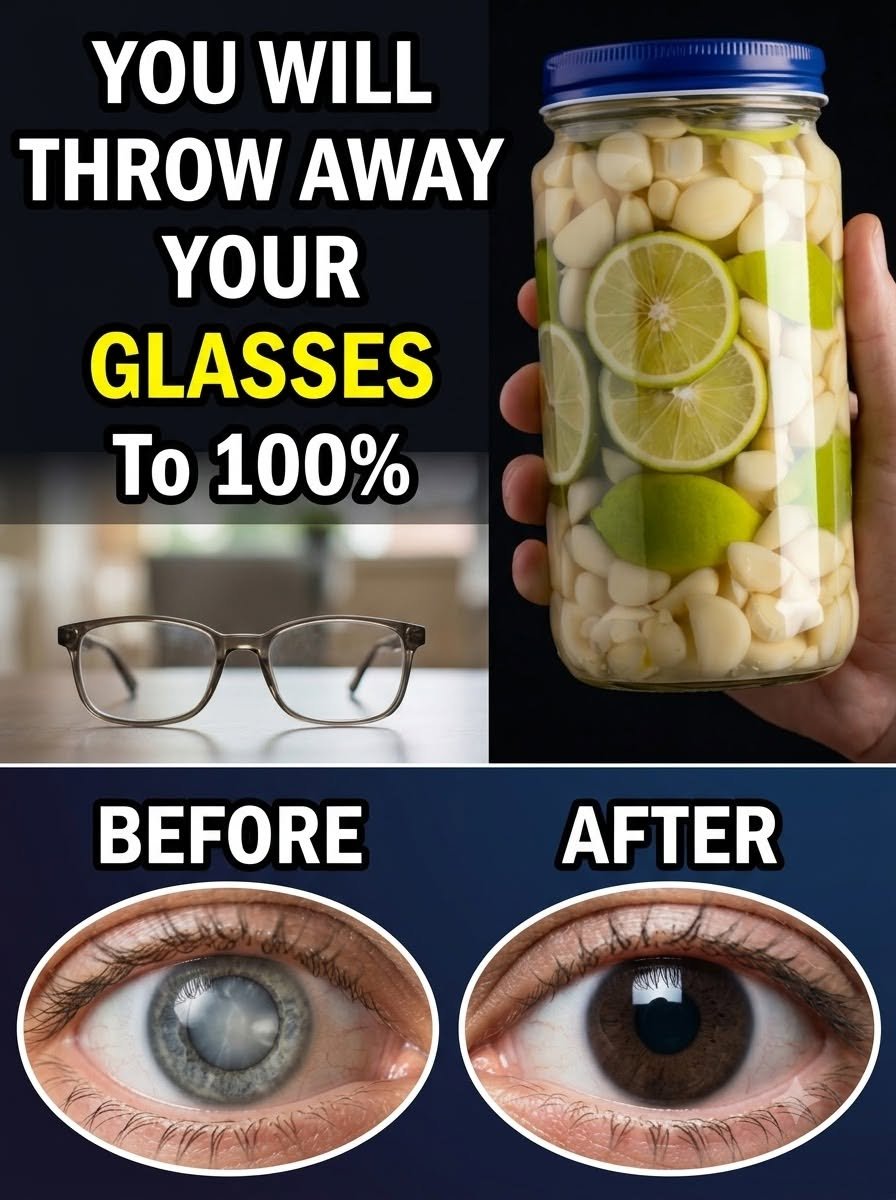
Garlic and Lemon Benefits: Can This Natural Combination Support Eye Health?
Garlic and Lemon Benefits: Can This Natural Combination Support Eye Health?
Introduction
Have you ever wondered whether simple ingredients in your kitchen could help support your overall health? Garlic and lemon are two popular ingredients used in traditional home remedies around the world. Garlic contains naturally occurring sulfur compounds, while lemons provide vitamin C and other beneficial plant compounds.
Both ingredients can be included in a balanced diet and used in everyday recipes, from salad dressings to homemade drinks.
But can garlic and lemon really improve eyesight? Can this natural combination help you stop wearing glasses?
The answer requires separating traditional health claims from scientific evidence. Although garlic and lemon provide useful nutrients, there is no reliable clinical evidence that combining them can restore lost vision or eliminate the need for prescription glasses.
In this article, we explore the nutritional benefits of garlic and lemon, their relationship with eye health, and practical ways to protect your vision.
1. Understanding the Benefits of Garlic and Lemon
Garlic and lemon contain different compounds that contribute to their nutritional value.
Garlic: A Source of Beneficial Plant Compounds
Garlic ( Allium sativum ) has been used in cooking and traditional wellness practices for centuries.
When fresh garlic is crushed or chopped, it produces allicin and other sulfur-containing compounds. Researchers have investigated garlic for its potential effects on cardiovascular health, cholesterol levels, and blood pressure.
However, the effects depend on the preparation, dosage, and individual health factors. Garlic should be considered part of a balanced diet rather than a replacement for prescribed medication.
Lemon: Vitamin C and Antioxidants
Lemons are a source of vitamin C, an essential nutrient that supports normal immune function, collagen formation, and protection against oxidative damage.
Vitamin C also contributes to eye health. It is present in the fluid surrounding the eye’s lens and helps protect cells against oxidative stress.
Nevertheless, drinking lemon juice alone has not been shown to restore lost eyesight or correct refractive errors.
2. Can Garlic and Lemon Improve Your Eyesight?
This is one of the most common questions surrounding natural wellness remedies.
The important distinction is between supporting eye health and correcting an existing vision problem.
Certain nutrients help maintain normal eye function. These include vitamin C, vitamin A, vitamin E, zinc, lutein, and zeaxanthin.
Garlic and lemon can contribute to a nutritious diet, but there is no reliable clinical evidence that a mixture of these ingredients can:
- Eliminate nearsightedness or farsightedness.
- Correct astigmatism.
- Reverse cataracts.
- Restore eyesight to 20/20.
- Replace prescription eyeglasses or contact lenses.
Vision problems can have different causes, including refractive errors, age-related changes, cataracts, glaucoma, and retinal diseases.
If your eyesight becomes blurry or changes unexpectedly, an eye examination can help identify the cause and determine the appropriate treatment.
Important: Never put garlic juice, lemon juice, or a homemade garlic-and-lemon mixture directly into your eyes. These substances can cause irritation and potentially serious injury.
3. Essential Nutrients That Help Maintain Healthy Vision
Rather than relying on one homemade remedy, focus on a varied diet that provides the nutrients your eyes need.
Vitamin C
Vitamin C helps protect cells from oxidative damage and supports normal collagen production.
Good food sources include lemons, oranges, guava, strawberries, and bell peppers.
Vitamin A
Vitamin A is essential for normal vision, particularly in low-light conditions.
Sources include eggs, dairy products, and foods containing beta-carotene, such as carrots, sweet potatoes, and spinach.
Lutein and Zeaxanthin
These carotenoids are found in leafy green vegetables, including spinach and kale. They accumulate in the retina and help protect it against oxidative stress.
Egg yolks and certain other vegetables also provide these nutrients.
Omega-3 Fatty Acids
Fatty fish, such as salmon and sardines, provide omega-3 fatty acids that support normal bodily functions, including those involving the retina.
Zinc
Zinc contributes to normal immune function and plays an important role in maintaining healthy vision.
Sources include meat, seafood, beans, nuts, and seeds.
A balanced diet containing a variety of these nutrients is a more evidence-based approach to supporting eye health than depending on garlic and lemon alone.
4. How to Prepare a Simple Garlic and Lemon Drink
If you enjoy the flavors of garlic and lemon, you can prepare a simple drink using ordinary kitchen ingredients.
Ingredients
- 1 small garlic clove.
- 2–3 thin slices of fresh lemon.
- 1 cup of warm drinking water.
- A small amount of honey, optional.
Instructions
- Peel and lightly crush the garlic clove.
- Wash the lemon thoroughly and cut it into thin slices.
- Place the garlic and lemon in a clean cup.
- Add warm drinking water.
- Allow the mixture to steep for approximately 5–10 minutes.
- Strain it if desired and let it cool to a comfortable drinking temperature.
- Add a small amount of honey if you prefer a sweeter taste.
You can enjoy this drink as part of your regular food routine if it suits your digestive system.
However, it is a food preparation, not a medically proven treatment for eye conditions, and there is no established evidence that drinking it improves eyesight.
Food safety tip: Never store homemade garlic mixtures in oil at room temperature. Improper storage can create a risk of botulism. Follow appropriate food-safety practices when preparing and storing homemade mixtures.
5. Precautions Before Trying Garlic and Lemon
Although garlic and lemon are common foods, they may not be suitable for everyone in every quantity or preparation.
Digestive Sensitivity
Garlic and lemon may worsen heartburn, acid reflux, or stomach discomfort in some people.
Medication Interactions
Concentrated garlic supplements may increase bleeding risk, particularly in people taking anticoagulant or antiplatelet medications.
Dental Health
Frequent exposure to acidic lemon juice may contribute to tooth enamel erosion.
To reduce exposure, dilute lemon juice, avoid swishing it around your mouth, and rinse your mouth with plain water afterward.
Allergies and Sensitivities
Avoid ingredients that cause allergic reactions or persistent discomfort.
Eye Safety
Never apply garlic juice, lemon juice, or this mixture directly to your eyes. Household ingredients are not sterile eye treatments and may damage delicate eye tissues.
If you take regular medication or have a medical condition, consult a qualified healthcare professional before using concentrated supplements or herbal preparations.
6. Everyday Habits That Help Protect Your Eyes
Maintaining healthy vision involves more than one ingredient or drink. Several practical habits can help protect your eyes over time.
Schedule Regular Eye Examinations
Eye examinations can identify refractive errors and detect certain eye conditions before noticeable symptoms develop.
The recommended frequency depends on your age, medical history, vision needs, and individual risk factors.
Take Breaks From Digital Screens
Extended screen use can contribute to eye strain and dryness.
Try the 20-20-20 rule: every 20 minutes, look at something approximately 20 feet away for at least 20 seconds.
Remember to blink regularly and adjust your screen position and lighting for comfort.
Wear Appropriate Sunglasses
Choose sunglasses that provide 100% UVA and UVB protection to help protect your eyes from ultraviolet radiation.
Eat a Varied Diet
Include leafy greens, colorful vegetables, fruits, legumes, nuts, and fish where appropriate.
Eating a variety of nutritious foods supplies a broader range of nutrients than relying on a single homemade drink.
Manage Chronic Health Conditions
Conditions such as diabetes and high blood pressure can damage the eyes if they are not properly managed.
Follow your healthcare professional’s advice and attend recommended eye examinations, especially if you have diabetes.
Avoid Smoking
Smoking increases the risk of several eye conditions, including age-related macular degeneration and cataracts.
Avoiding tobacco is an important step toward protecting your long-term eye health.
7. When Should You Seek Medical Attention?
Do not rely on home remedies if you experience persistent or worsening vision problems.
Arrange an eye examination if you notice ongoing blurry vision, difficulty seeing at night, frequent changes in your prescription, or other persistent visual symptoms.
Seek emergency medical attention for sudden vision loss, a sudden shower of new floaters, flashes of light with a shadow or curtain across your vision, or severe eye pain. These symptoms can indicate conditions that require urgent treatment.
Early assessment may help prevent further damage in certain eye conditions.
Frequently Asked Questions
Can garlic and lemon restore eyesight naturally?
No. There is no reliable clinical evidence that garlic and lemon can restore lost vision, correct refractive errors, or eliminate the need for glasses.
Is it good to drink garlic and lemon water every day?
Some people can enjoy this drink in moderation as part of their normal diet. However, it is not necessary for good health and may aggravate acid reflux or digestive discomfort in some individuals.
Can lemon juice improve eyesight?
Lemons provide vitamin C, which contributes to normal eye health. However, drinking lemon juice has not been shown to reverse vision loss or correct eye conditions.
Can garlic help prevent cataracts?
Garlic contains biologically active plant compounds, but there is insufficient clinical evidence to recommend garlic as a method of preventing or treating cataracts.
What foods are good for eye health?
Leafy green vegetables, carrots, sweet potatoes, citrus fruits, eggs, nuts, and fish can contribute nutrients that support normal eye function. No single food can prevent every eye disease.
Should I stop wearing glasses if I drink garlic and lemon water?
No. Garlic and lemon water cannot correct refractive errors. Continue using your prescribed glasses or contact lenses unless an eye-care professional advises otherwise.
Final Thoughts
Garlic and lemon are familiar kitchen ingredients with useful nutritional properties. Garlic contains sulfur compounds, while lemon provides vitamin C. Both can add flavor and variety to everyday meals.
However, no credible clinical evidence establishes that drinking garlic and lemon can restore eyesight to 20/20, reverse cataracts, or eliminate the need for glasses.
If your goal is to maintain healthy vision, focus on a nutrient-rich diet, regular eye examinations, appropriate vision correction, protection from ultraviolet radiation, and management of chronic health conditions.
Your eyesight is valuable. Natural foods can support your overall well-being, but persistent blurry vision or sudden changes in vision deserve proper medical attention.
Medical Disclaimer
This article is for educational purposes only and does not replace professional medical advice, diagnosis, or treatment. Consult a qualified healthcare professional for personalized advice about eye health or other medical concerns.