Prostate Cancer: Natural Wellness Support Every Man Should Know
Prostate Cancer: Natural Wellness Support Every Man Should Know
Prostate health is an important part of men’s overall well-being. Although no natural remedy has been proven to cure prostate cancer, healthy lifestyle choices and nutritious foods can support general health and complement professional medical care.
Prostate cancer is one of the most common cancers affecting men worldwide. When detected early, it may offer more treatment options, depending on the type and stage of the disease.
Understanding the warning signs, recognizing risk factors, and knowing when to seek medical advice are essential steps toward protecting your health.
What Is Prostate Cancer?
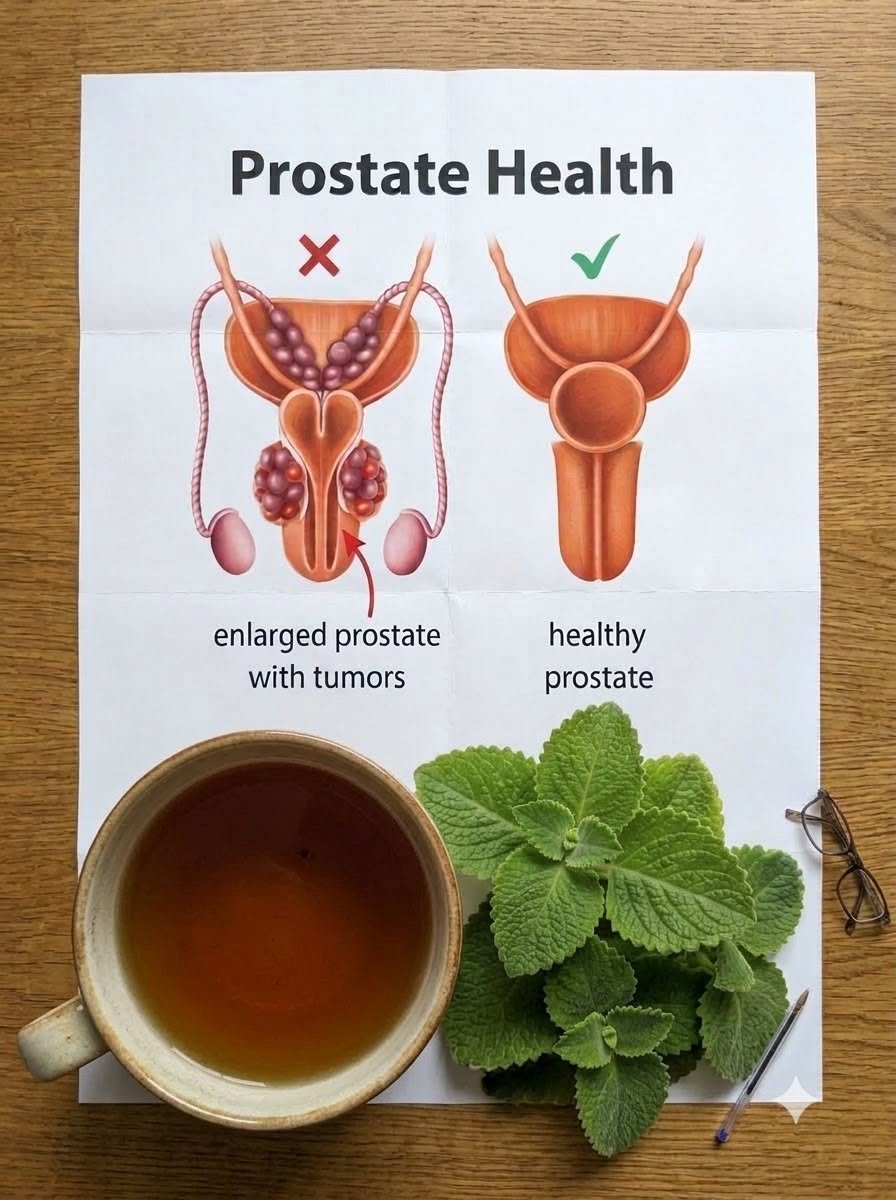
The prostate is a small gland located below the bladder and in front of the rectum. It surrounds part of the urethra and produces fluid that forms part of semen.
Prostate cancer develops when abnormal cells in the prostate begin growing uncontrollably.
Some prostate cancers grow slowly and may never cause serious health problems, while others can be aggressive and spread to other parts of the body.
Because the disease behaves differently in different people, diagnosis and treatment decisions should be based on professional medical evaluation.
Why Early Detection Matters
Early prostate cancer often causes no noticeable symptoms. As the disease progresses, some men may experience urinary difficulties or other changes.
Possible symptoms include:
- Difficulty starting urination.
- A weak or interrupted urine stream.
- Frequent urination, particularly at night.
- A feeling that the bladder has not emptied completely.
- Blood in the urine or semen.
- Pain or burning during urination.
- Erectile difficulties.
- Persistent pain in the back, hips, or pelvis.
These symptoms do not necessarily indicate prostate cancer. Benign prostate enlargement, infections, and other conditions can cause similar problems.
However, persistent or unexplained symptoms should be discussed with a healthcare professional.
Can Natural Remedies Cure Prostate Cancer?
One of the most important facts to understand is that no herbal drink, fruit, spice, dietary supplement, or homemade remedy has been proven to cure prostate cancer.
Online claims that a particular ingredient can destroy all cancer cells, replace chemotherapy, or guarantee protection against cancer should be treated with caution.
Researchers have investigated various foods and plant compounds for their potential effects on cancer-related processes. However, laboratory findings do not automatically demonstrate that consuming a particular food or supplement can treat cancer in humans.
If prostate cancer has been diagnosed, appropriate medical evaluation and evidence-based treatment should remain the priority.
Healthy eating and other lifestyle measures may complement treatment, but they should never replace care recommended by an oncology professional.
Natural Ways to Support Overall Prostate Health
Although natural remedies cannot replace cancer treatment, several healthy habits can contribute to overall well-being.
1. Eat More Plant-Based Foods
Vegetables, fruits, legumes, and whole grains provide fiber, vitamins, minerals, and beneficial plant compounds.
Consider including a variety of foods in your daily meals, such as:
- Tomatoes.
- Broccoli.
- Spinach.
- Carrots.
- Berries.
- Beans and lentils.
- Citrus fruits.
- Leafy green vegetables.
No single food is a miracle treatment. Eating a wide variety of nutritious foods is more beneficial than relying on one ingredient.
2. Include Tomatoes in a Balanced Diet
Tomatoes contain lycopene, a natural carotenoid that has been studied in relation to prostate health.
Lycopene is also found in watermelon, pink grapefruit, and other red or pink fruits.
Tomatoes can be enjoyed fresh, cooked, or as part of homemade sauces. Cooking tomatoes with a small amount of oil can improve the body’s absorption of lycopene.
However, eating tomatoes or taking lycopene supplements has not been established as a way to prevent or cure prostate cancer.
3. Choose Healthy Sources of Fat
Replacing some foods high in saturated fat with sources of unsaturated fats can support cardiovascular health.
Healthy options include:
- Olive oil.
- Avocados.
- Nuts.
- Seeds.
- Fatty fish.
These foods can form part of a balanced eating pattern that supports healthy aging. They should not be viewed as specific treatments for prostate cancer.
4. Maintain a Healthy Weight
Maintaining a healthy weight supports metabolic health, cardiovascular function, and mobility.
Practical strategies include eating balanced meals, controlling portion sizes, staying physically active, and limiting highly processed foods.
Excess body weight has been associated with an increased risk of certain aggressive prostate cancer outcomes, although maintaining a healthy weight cannot guarantee prevention.
Focus on sustainable lifestyle changes rather than extreme diets or unproven weight-loss products.
5. Stay Physically Active
Regular physical activity helps maintain muscle strength, cardiovascular fitness, mobility, and metabolic health.
Men can choose activities that suit their abilities and preferences, including:
- Brisk walking.
- Swimming.
- Cycling.
- Resistance training.
- Bodyweight exercises.
- Stretching and mobility exercises.
If you are receiving cancer treatment or have another medical condition, ask your healthcare professional which activities are appropriate for you.
6. Prioritize Sleep and Avoid Smoking
Adequate sleep supports physical recovery, mood, and overall health. Establishing a consistent sleep routine may help improve sleep quality.
Avoiding tobacco is also important because smoking contributes to many serious diseases and is associated with worse outcomes for some men with prostate cancer.
Limiting or avoiding alcohol can provide additional health benefits.
These habits support general well-being but should not be presented as guaranteed ways to prevent prostate cancer.
A Simple Daily Routine for Men’s Wellness
There is no special daily routine that guarantees protection from prostate cancer. However, a balanced routine can support overall health.
Morning
- Drink water according to your needs.
- Enjoy a balanced breakfast containing protein, whole grains, and fruit.
- Take a short walk or perform gentle exercise.
Afternoon
- Eat a balanced meal containing vegetables, whole grains, and a suitable protein source.
- Include foods such as tomatoes, beans, or leafy greens.
- Take breaks from prolonged sitting.
Evening
- Choose a balanced dinner with vegetables and a nutritious protein source, such as fish, beans, or poultry.
- Avoid large amounts of food if they interfere with your sleep.
- Maintain a regular bedtime.
Throughout the day
Stay active, avoid smoking, prioritize adequate sleep, and follow medical advice regarding your health.
The goal is to develop sustainable habits rather than search for a supposed cancer-killing ingredient.
Be Careful With Herbal Supplements
Natural products are not automatically safe.
Some herbal supplements can cause side effects or interact with prescription medicines. This is particularly important for men receiving chemotherapy, hormone therapy, radiotherapy, or other cancer treatments.
High-dose vitamins, concentrated plant extracts, and products marketed as prostate cures may have risks that are not immediately obvious.
Before using any supplement, discuss it with your doctor or pharmacist.
Never stop prescribed cancer medication or delay recommended treatment because an online article or social media post promotes a natural alternative.
What Every Man Should Know About Prostate Cancer Screening
One of the most important steps in prostate health is discussing personal risk with a healthcare professional.
Risk can vary according to factors such as age, family history, and inherited genetic changes. Some men may benefit from discussing screening earlier than others.
Prostate cancer screening has potential benefits and potential harms. For example, testing can identify cancers that may need treatment, but it can also lead to false-positive results, additional procedures, and the diagnosis of slow-growing cancers that might never have caused harm.
For this reason, screening decisions should be individualized rather than based on a single recommendation for every man.
What Is a PSA Test?
The prostate-specific antigen (PSA) test measures the level of PSA, a protein produced by the prostate, in the blood.
An elevated PSA level does not automatically mean cancer is present. PSA can also increase because of benign prostate enlargement, inflammation, infection, and other factors.
Depending on the results and a man’s individual circumstances, a doctor may recommend repeating the test, additional investigations, imaging, or a biopsy.
A PSA test alone cannot confirm or exclude every case of prostate cancer. Results should be interpreted by a qualified healthcare professional.
When Should a Man See a Doctor?
Arrange a medical appointment if you notice persistent urinary changes, blood in your urine or semen, unexplained pelvic discomfort, or ongoing pain in your back or hips.
Seek prompt medical attention for severe or sudden symptoms, particularly if you cannot urinate or have significant bleeding.
Remember that many urinary symptoms in older men are caused by conditions other than cancer. A proper assessment is the best way to determine the underlying cause.
Even if you feel healthy, consider discussing prostate cancer risk and screening with your healthcare professional, especially if you have a strong family history of the disease.
Frequently Asked Questions
Can tomatoes prevent prostate cancer?
Tomatoes contain lycopene, which has been studied for its potential relationship with prostate health. However, evidence does not establish that eating tomatoes prevents prostate cancer. They remain a nutritious addition to a balanced diet.
Is there a natural drink that cures prostate cancer?
No natural drink has been proven to cure prostate cancer. Herbal teas, fruit juices, and homemade mixtures should not replace medical evaluation or prescribed treatment.
Can prostate cancer develop without symptoms?
Yes. Early prostate cancer often causes no noticeable symptoms. This is one reason men should discuss their individual risk and possible screening options with a healthcare professional.
Does an elevated PSA level always mean cancer?
No. Benign prostate enlargement, inflammation, and infection can also raise PSA levels. Further assessment may be necessary to determine the cause.
Can exercise help men diagnosed with prostate cancer?
Appropriate physical activity can support fitness, strength, mood, and quality of life during and after treatment. The best exercise plan depends on the individual’s health, treatment, and physical abilities.
Should men take prostate health supplements?
Not necessarily. Supplements have not been shown to reliably prevent or cure prostate cancer, and some can interact with medicines. Consult a healthcare professional before taking them.
Final Thoughts
There is no scientifically proven natural remedy that guarantees protection from or cures prostate cancer. Nevertheless, men can take meaningful steps to support their overall health by eating a varied diet, staying physically active, maintaining a healthy weight, avoiding smoking, and seeking appropriate medical care.
Understanding personal risk and discussing screening options with a healthcare professional can also help men make informed decisions.
The most important approach is not a secret ingredient or miracle supplement. It is awareness, healthy habits, timely medical evaluation, and evidence-based treatment when needed.
If prostate cancer is diagnosed, nutritious foods and appropriate lifestyle measures may complement professional care, but they should never replace treatment recommended by qualified medical professionals.