How Can I Remove Tooth Decay Myself? The Honest Truth (And What Actually Works)
How Can I Remove Tooth Decay Myself? The Honest Truth (And What Actually Works)
Introduction
If you’ve searched “How can I remove tooth decay myself?”, you’re not alone. Millions of people look for natural ways to fix cavities at home because dental treatment can be expensive or difficult to access.
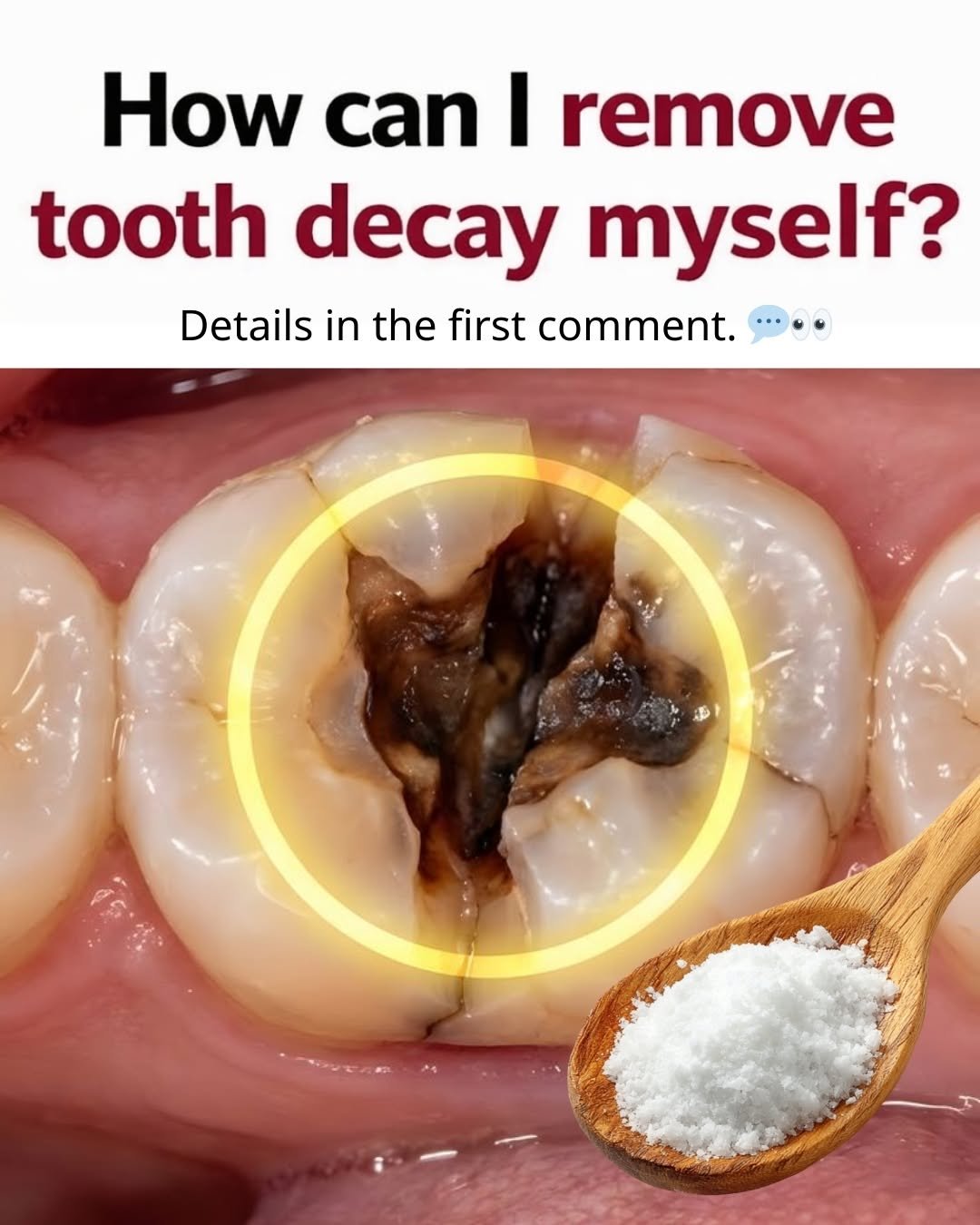
The truth is simple: you cannot safely remove an established cavity at home. Once tooth decay has created a hole in your tooth, the damaged structure cannot grow back on its own. Professional dental treatment is the only way to remove decayed tooth tissue and restore the tooth.
However, that doesn’t mean you’re powerless. If decay is caught early, you may be able to slow its progression, strengthen your enamel, relieve discomfort, and reduce the risk of further damage through good oral hygiene and healthy habits.
This guide explains what tooth decay is, which home remedies may help, which popular internet claims are misleading, and when it’s essential to see a dentist.
What Is Tooth Decay?
Tooth decay, also known as dental caries or cavities, develops when bacteria in the mouth feed on sugars and starches from food. These bacteria produce acids that gradually dissolve the protective enamel covering your teeth.
If the process continues, the decay moves deeper into the dentin and eventually reaches the tooth’s nerve, causing pain, infection, and sometimes tooth loss.
Common Causes of Tooth Decay
Several factors increase the risk of cavities, including:
- Poor oral hygiene
- Frequent sugary snacks and drinks
- Acidic beverages
- Dry mouth
- Smoking or tobacco use
- Lack of fluoride
- Infrequent dental checkups
The earlier decay is detected, the easier it is to manage.
Can You Remove Tooth Decay Yourself?
The honest answer is no.
Once a cavity forms, the damaged tooth structure cannot be removed safely at home. Dentists use specialized instruments to eliminate decayed tissue while preserving as much healthy tooth as possible.
Avoid attempting to:
- Scrape the cavity with sharp objects
- Use homemade dental tools
- Apply unknown chemicals
- Drill the tooth yourself
These methods can introduce bacteria, worsen the damage, and increase the risk of severe infection.
What You Can Do at Home
Although you can’t remove a cavity yourself, you can take steps to protect your teeth and slow further decay.
1. Support Early Enamel Repair
If decay has not yet formed a cavity, the enamel may be able to remineralize.
Helpful habits include:
- Brush twice daily with fluoride toothpaste.
- Floss every day.
- Use a fluoride mouth rinse if recommended.
- Limit sugary foods and drinks.
- Drink plenty of water.
- Chew sugar-free gum containing xylitol after meals.
These measures help strengthen enamel and reduce acid-producing bacteria.
2. Relieve Temporary Tooth Pain
Home care may reduce discomfort while you arrange a dental appointment.
You can try:
- Rinsing with warm salt water.
- Keeping the tooth clean after eating.
- Avoiding very hot, cold, or sugary foods.
- Using an over-the-counter temporary dental filling product as directed.
These methods may ease symptoms temporarily but do not treat the underlying cavity.
3. Prevent Further Damage
If you already have a cavity, slowing its progression is important.
Protect your teeth by:
- Brushing gently around the affected tooth.
- Flossing carefully every day.
- Avoiding chewing on the painful side.
- Choosing water instead of sugary drinks.
- Scheduling a dental appointment as soon as possible.
Do Popular Home Remedies Remove Cavities?
Many viral videos and social media posts promote natural cavity cures. Unfortunately, there is no scientific evidence that these methods remove established tooth decay.
Baking Soda
Baking soda may help reduce plaque and neutralize acids, but it cannot repair or remove cavities.
Salt Water
Salt-water rinses can soothe irritated gums and temporarily reduce bacteria, but they do not eliminate tooth decay.
Oil Pulling
Oil pulling may improve overall oral hygiene for some people, but studies have not shown that it removes cavities.
Clove Oil
Clove oil contains eugenol, which may temporarily reduce tooth pain because of its mild numbing effect. However, it does not treat or reverse decay.
Activated Charcoal
Activated charcoal is often marketed as a natural whitening product, but it does not remove cavities and excessive use may wear away enamel.
When Should You See a Dentist?
Professional dental care should not be delayed if you experience:
- A visible hole in a tooth
- Persistent toothache
- Pain when chewing
- Sensitivity lasting several days
- Swelling around the gums or face
- Pus or an unpleasant taste in the mouth
- A cracked or broken tooth
Ignoring these symptoms can allow the decay to spread deeper, potentially leading to infection, root canal treatment, or tooth extraction.
How to Prevent Tooth Decay
The best treatment is prevention.
Healthy habits include:
- Brush for two minutes twice a day using fluoride toothpaste.
- Floss daily.
- Limit sugary snacks and beverages.
- Drink fluoridated water where available.
- Eat a balanced diet rich in calcium and vitamin D.
- Visit your dentist regularly for checkups and professional cleanings.
- Replace your toothbrush every three to four months.
Consistent oral care is the most effective way to reduce your risk of cavities.
Frequently Asked Questions
Can a cavity heal naturally?
Very early enamel damage may improve through remineralization, but once a cavity forms, it cannot heal on its own.
Does salt kill cavity bacteria?
Salt water may temporarily reduce bacteria in the mouth, but it cannot eliminate tooth decay or repair damaged teeth.
Can clove oil cure a cavity?
No. Clove oil may temporarily ease pain, but it does not remove decay or restore the tooth.
Is it safe to fill a cavity yourself?
No. Temporary dental repair products are only meant for short-term protection until you receive professional dental care.
Final Thoughts
Searching for a home remedy is understandable, but it’s important to separate myths from facts. While good oral hygiene, fluoride, and a healthy diet can help prevent cavities and slow early decay, they cannot remove an established cavity.
If you notice tooth pain, sensitivity, or a visible hole, the safest and most effective step is to arrange a dental examination. Early treatment can prevent more serious problems, preserve your natural tooth, and protect your long-term oral health.