
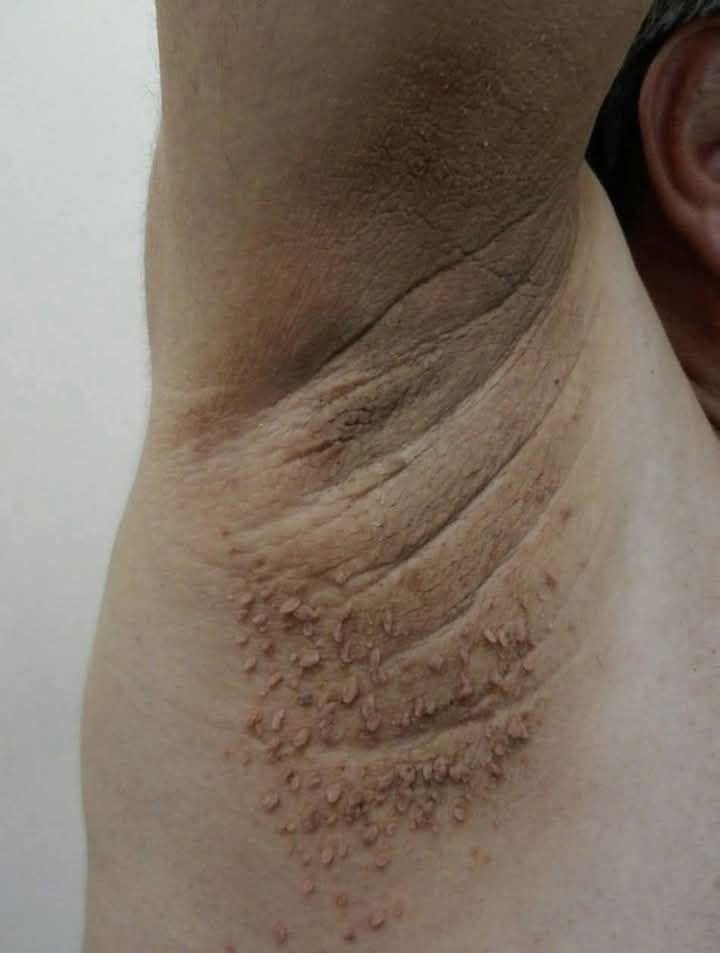
Dark Patches on the Neck: Could They Be an Early Warning Sign of Diabetes?
Many people notice dark patches on the neck and assume they are caused by poor hygiene, dirt, or dead skin. They often try harsh soaps, scrubbing, or expensive skincare products, but the discoloration doesn’t go away.
In some cases, these stubborn dark patches may be more than a cosmetic issue. Doctors say they can sometimes be an early sign of insulin resistance, a condition that often develops before Type 2 diabetes. Recognizing these skin changes early can help you seek medical advice and reduce the risk of serious health complications.
Why Skin Changes Can Reveal Health Problems
Your skin often reflects what’s happening inside your body. Changes in skin color, texture, or thickness can sometimes be the first visible signs of an underlying medical condition.
While many skin conditions are harmless, persistent changes should not be ignored because they may indicate metabolic disorders such as diabetes.
What Is Acanthosis Nigricans?
Acanthosis nigricans is a common skin condition that causes dark, thick, and velvety patches of skin.
These patches most often appear on:
- The back of the neck
- Under the arms (armpits)
- The groin
- Under the breasts
- Elbows
- Knees
Unlike dirt or dead skin, these patches usually cannot be removed by washing or scrubbing.
Why Is Acanthosis Nigricans Linked to Diabetes?
The condition is strongly associated with insulin resistance.
Insulin is the hormone that helps glucose move from your bloodstream into your body’s cells. When your cells become resistant to insulin, your body produces more of it to compensate.
High insulin levels can stimulate skin cells to grow more rapidly, leading to the thick, dark patches characteristic of acanthosis nigricans.
Because insulin resistance is one of the earliest stages of Type 2 diabetes, these skin changes may serve as an important warning sign.
Can Children and Teenagers Develop It?
Yes.
Children and teenagers who are overweight or obese may also develop acanthosis nigricans, especially if they have a family history of diabetes.
Having dark patches does not automatically mean a child has diabetes, but it is a good reason to consult a healthcare professional for further evaluation.
How to Tell the Difference Between Acanthosis Nigricans and Dirt
Many people mistake acanthosis nigricans for poor hygiene.
Signs that suggest acanthosis nigricans include:
- Dark brown or black patches
- Thick, velvety skin texture
- Skin that remains dark despite repeated washing
- Gradual appearance over time
- Similar patches in body folds
The condition is usually painless and not itchy.
If the affected area becomes painful, inflamed, or itchy, another skin condition may be responsible.
Other Causes of Dark Patches on the Neck
A dark neck does not always indicate diabetes.
Other possible causes include:
- Friction from clothing
- Eczema
- Hormonal disorders
- Certain medications
- Skin pigmentation disorders
- Terra Firma-Forme Dermatosis (TFFD)
Because several skin conditions look similar, self-diagnosis is not recommended.
Should You Get Your Blood Sugar Checked?
If the dark patches are persistent, spreading, or worsening, your healthcare provider may recommend checking your blood sugar levels, especially if you have additional diabetes risk factors.
Other symptoms of high blood sugar include:
- Increased thirst
- Frequent urination
- Constant fatigue
- Blurred vision
- Increased hunger
- Slow wound healing
A simple blood sugar test can help determine whether insulin resistance or diabetes is present.
Risk Factors for Insulin Resistance
Several factors increase the risk of developing insulin resistance and Type 2 diabetes:
- Excess body weight
- Physical inactivity
- Family history of diabetes
- High blood pressure
- Poor eating habits
- Polycystic Ovary Syndrome (PCOS)
Managing these risk factors can significantly reduce your chances of developing diabetes.
Treatment for Acanthosis Nigricans
Treatment focuses on addressing the underlying cause rather than simply improving the appearance of the skin.
If insulin resistance is responsible, doctors may recommend:
- Losing excess weight
- Regular physical activity
- A healthy, balanced diet
- Reducing sugary and processed foods
- Managing blood sugar levels under medical supervision
As insulin levels improve, the appearance of the skin often improves as well.
Frequently Asked Questions
Does a dark neck always mean diabetes?
No. Many skin conditions can cause dark patches. Diabetes is only one possible explanation.
Can acanthosis nigricans be removed by washing?
No. Unlike dirt, these patches usually remain despite regular washing or scrubbing.
Is acanthosis nigricans dangerous?
The condition itself is usually harmless, but it may be a sign of insulin resistance or another underlying health problem.
Should children with dark neck patches see a doctor?
Yes. If the patches persist or the child has other diabetes risk factors, medical evaluation is recommended.
When Should You See a Doctor?
Schedule a medical evaluation if:
- Dark patches appear suddenly.
- The discoloration continues to spread.
- Washing does not remove the patches.
- You experience symptoms such as increased thirst, fatigue, frequent urination, or blurred vision.
Early diagnosis of insulin resistance or Type 2 diabetes allows treatment to begin sooner and may help prevent serious complications.
Final Thoughts
Dark patches on the neck are not always caused by poor hygiene. In some cases, they may be an early warning sign of acanthosis nigricans, which is often linked to insulin resistance and Type 2 diabetes.
If you notice persistent, velvety dark skin that doesn’t improve with normal cleansing, consult a qualified healthcare professional. A simple examination and blood sugar test can identify the underlying cause and help protect your long-term health.
Medical Disclaimer: This article is for educational purposes only and should not be considered medical advice. Always consult a qualified healthcare professional for diagnosis, treatment, or any concerns about your health.