
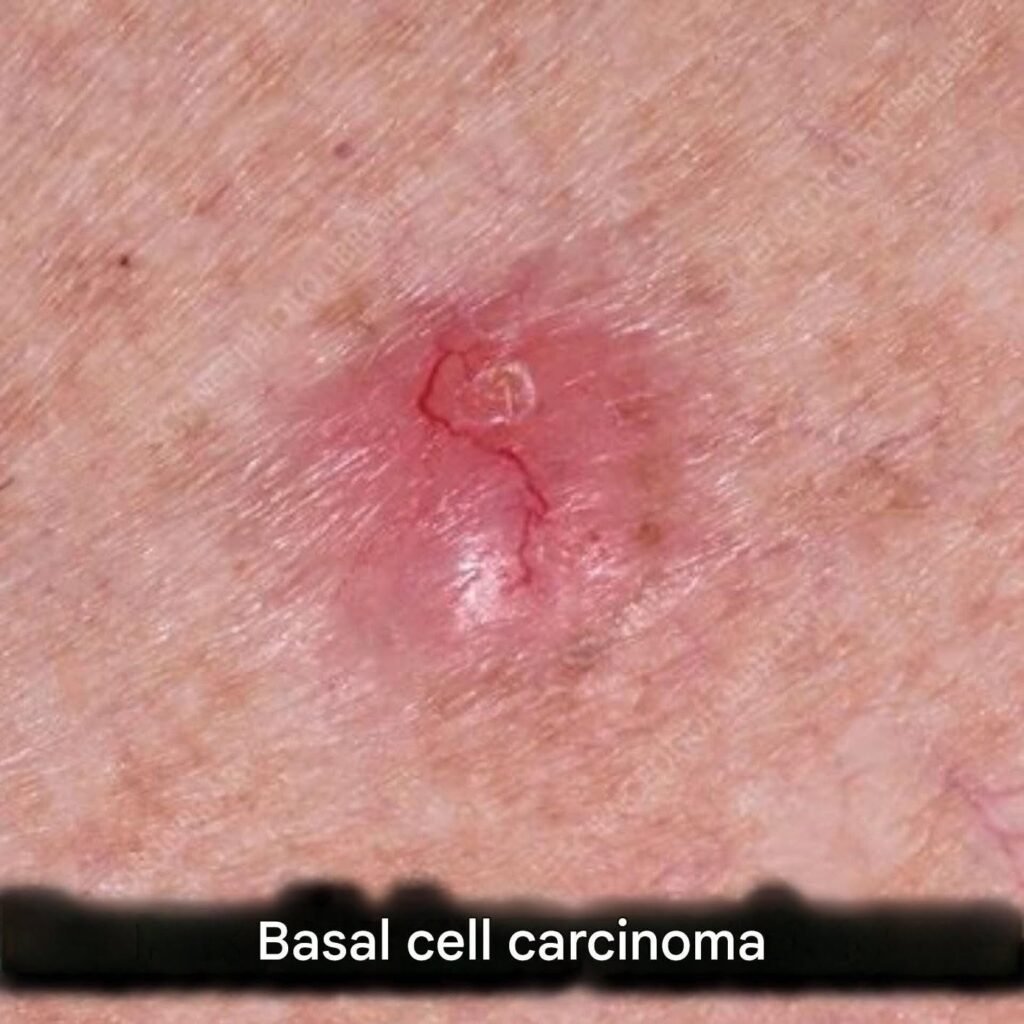
Basal Cell Carcinoma Symptoms: Early Signs, Causes, Diagnosis & Treatment
Basal cell carcinoma (BCC) is the most common type of skin cancer, affecting millions of people worldwide every year. Although it rarely spreads to other parts of the body, untreated basal cell carcinoma can grow deeper into the skin and damage nearby tissues, muscles, and even bones.
The good news is that early diagnosis and treatment offer an excellent cure rate. Knowing the early symptoms of basal cell carcinoma can help you seek medical attention before the condition becomes more serious.
What Is Basal Cell Carcinoma?
Basal cell carcinoma develops in the basal cells, which are located in the deepest layer of the epidermis (the outer layer of the skin). These cells continuously produce new skin cells. When DNA damage—usually caused by ultraviolet (UV) radiation—occurs, the cells can begin growing abnormally, leading to skin cancer.
Unlike melanoma, basal cell carcinoma usually grows slowly and rarely spreads to distant organs. However, delaying treatment can result in significant local damage.
Who Is at Risk of Basal Cell Carcinoma?
Several risk factors increase the likelihood of developing basal cell carcinoma, including:
- Long-term exposure to UV rays from the sun
- Frequent sunburns
- Fair skin that burns easily
- Light-colored eyes and blonde or red hair
- Older age
- Previous skin cancer
- Family history of skin cancer
- Use of tanning beds
- A weakened immune system
Although BCC is more common in older adults, younger people with significant sun exposure can also develop this condition.
Where Does Basal Cell Carcinoma Usually Appear?
Basal cell carcinoma most commonly develops on areas that receive frequent sunlight, including:
- Face
- Nose
- Ears
- Scalp
- Neck
- Shoulders
- Hands
- Forearms
In some cases, it may also appear on areas that receive very little sunlight.
Early Symptoms of Basal Cell Carcinoma
Recognizing the warning signs early can significantly improve treatment success.
1. A Pearly or Shiny Bump
One of the earliest and most recognizable symptoms is a small bump that appears:
- Pearly
- Waxy
- Shiny
- Pink, flesh-colored, or slightly transparent
Tiny visible blood vessels may also appear on its surface.
2. A Sore That Doesn’t Heal
A persistent sore that:
- Bleeds easily
- Forms a crust
- Appears to heal
- Returns repeatedly
should always be evaluated by a qualified dermatologist.
3. A Flat, Scaly Patch
Some basal cell carcinomas resemble:
- Dry skin
- Eczema
- A rough red patch
- A scar-like area
These patches usually enlarge very slowly over time.
4. A White or Scar-Like Lesion
Certain forms appear as:
- White
- Yellowish
- Waxy
- Firm
These lesions often have poorly defined edges, making them more difficult to recognize.
5. Easy Bleeding
A skin growth that bleeds after minor contact or without any obvious injury should never be ignored.
Why Early Diagnosis Is Important
Although basal cell carcinoma rarely spreads throughout the body, delaying treatment allows the cancer to grow deeper into surrounding tissue.
Early diagnosis offers several advantages:
- Smaller surgical procedures
- Better cosmetic results
- Lower risk of recurrence
- Less damage to healthy skin
How Is Basal Cell Carcinoma Diagnosed?
A dermatologist will typically perform:
- A complete skin examination
- Dermoscopy using a specialized magnifying device
- A skin biopsy if cancer is suspected
A skin biopsy is the only reliable way to confirm the diagnosis.
Treatment Options for Basal Cell Carcinoma
Treatment depends on the size, location, and severity of the tumor.
Common treatment options include:
- Surgical removal
- Mohs micrographic surgery
- Curettage and electrodessication
- Cryotherapy
- Prescription topical creams for selected cases
- Radiation therapy when surgery is not suitable
Your dermatologist will recommend the most effective treatment based on your individual condition.
Can Basal Cell Carcinoma Be Prevented?
Although not every case is preventable, you can lower your risk by:
- Applying broad-spectrum sunscreen (SPF 30 or higher)
- Avoiding excessive sun exposure
- Wearing protective clothing and wide-brimmed hats
- Staying in the shade during peak sunlight hours
- Avoiding tanning beds
- Performing regular skin self-examinations
- Scheduling routine skin checks if you have a higher risk
When Should You See a Doctor?
Book an appointment with a dermatologist if you notice:
- A sore that does not heal within several weeks
- A new skin growth that continues to enlarge
- A mole or lesion that changes in color, size, or shape
- A spot that repeatedly bleeds or crusts
- Any persistent skin change that concerns you
Only a qualified healthcare professional can diagnose skin cancer.
Frequently Asked Questions
Is basal cell carcinoma dangerous?
Basal cell carcinoma is usually highly treatable and rarely spreads to distant organs. However, untreated tumors can destroy nearby skin and tissues.
Can young adults develop basal cell carcinoma?
Yes. While it is more common in older adults, younger individuals can also develop basal cell carcinoma, especially after significant UV exposure.
Does basal cell carcinoma cause pain?
Most basal cell carcinomas are painless during the early stages, which is why many people overlook them.
Can basal cell carcinoma return after treatment?
Yes. People who have had one basal cell carcinoma are more likely to develop another in the future, making regular follow-up appointments essential.
Final Thoughts
Basal cell carcinoma is the most common type of skin cancer, but it is also one of the most curable when detected early. Learning to recognize the early warning signs—including persistent sores, shiny bumps, and unusual skin changes—can help you receive prompt diagnosis and treatment.
If you notice any suspicious changes in your skin, consult a qualified dermatologist as soon as possible. Early detection can protect your health, reduce treatment complexity, and improve long-term outcomes.