14 Early Warning Signs of Cancer Every Woman Should Know
14 Early Warning Signs of Cancer Every Woman Should Know
Introduction
Cancer is one of the leading causes of death worldwide, but advances in modern medicine have shown that early detection greatly improves the chances of successful treatment. Many cancers begin with subtle symptoms that are easy to overlook or mistake for common health problems. Because of this, many women delay seeking medical attention until the disease has progressed.
Learning to recognize possible warning signs does not mean assuming the worst. Most symptoms have causes other than cancer. However, if a symptom is persistent, unexplained, or unusual for you, it’s important to discuss it with a healthcare professional.
This guide explains 14 possible warning signs that deserve attention and highlights the importance of regular medical checkups and cancer screening.
1. Unexplained Weight Loss
Losing weight without changing your eating habits or exercise routine can sometimes indicate an underlying health problem. While stress, thyroid disorders, or digestive issues may be responsible, unexplained weight loss should always be evaluated by a doctor.
2. Persistent Fatigue
Everyone feels tired occasionally, but ongoing fatigue that doesn’t improve with rest may signal an underlying medical condition. Persistent fatigue can result from anemia, infections, hormone disorders, or, in some cases, cancer.
3. Changes in the Breasts
Women should pay attention to any new breast changes, including:
- A lump or thickened area
- Changes in breast size or shape
- Skin dimpling
- Nipple inversion
- Unusual nipple discharge
- Persistent redness or swelling
Many breast changes are not cancer, but any new or unusual change should be evaluated promptly.
4. Unusual Bleeding
Unexpected bleeding should never be ignored. This includes:
- Bleeding after menopause
- Bleeding between menstrual periods
- Blood in urine
- Blood in stool
- Persistent vaginal bleeding
These symptoms can have many causes, but they require medical evaluation.
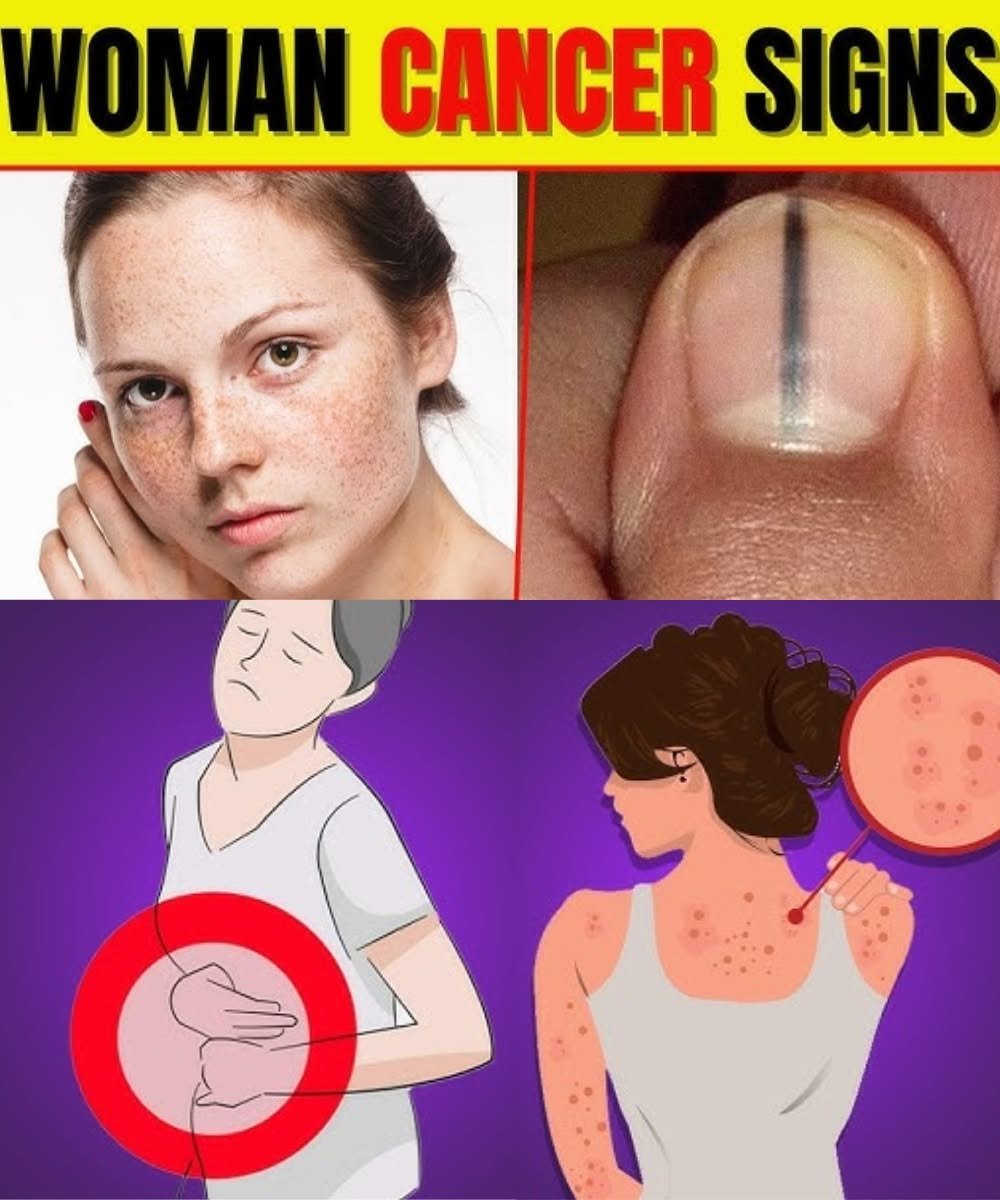
5. Changes in the Skin
Your skin often reflects your overall health. Watch for:
- New moles
- Changes in existing moles
- Sores that do not heal
- Persistent skin discoloration
A dermatologist can determine whether these changes require further investigation.
6. A Persistent Cough or Hoarseness
A cough lasting more than three weeks or ongoing hoarseness deserves medical attention, particularly if accompanied by chest pain, shortness of breath, or coughing up blood.
7. Ongoing Bloating
Occasional bloating is common, but bloating that persists for several weeks—especially when accompanied by abdominal discomfort, feeling full quickly, or appetite changes—should be discussed with a healthcare provider.
8. Difficulty Swallowing
Persistent difficulty swallowing, pain while swallowing, or the sensation that food becomes stuck in the throat may indicate a condition requiring medical evaluation.
9. Frequent Infections or Fever
Repeated infections or unexplained fevers may suggest problems affecting the immune system. Persistent symptoms should be assessed by a healthcare professional.
10. Persistent Pain
Pain that continues without an obvious cause should never be ignored. Whether it affects the abdomen, pelvis, bones, or another area, ongoing pain deserves medical evaluation.
11. Changes in Bowel or Bladder Habits
Pay attention to:
- Persistent constipation
- Chronic diarrhea
- Blood in the stool
- Frequent urination
- Pain during urination
- Changes in urinary habits
These symptoms can result from many conditions, including digestive or urinary disorders.
12. Swollen Lymph Nodes
Lymph nodes often swell during infections, but enlarged nodes that remain swollen for several weeks, continue growing, or feel hard should be examined by a healthcare professional.
13. Persistent Heartburn or Indigestion
Frequent heartburn, ongoing indigestion, or stomach discomfort that doesn’t improve with treatment may require further evaluation to identify the underlying cause.
14. Mouth Sores That Do Not Heal
Persistent mouth ulcers, white or red patches inside the mouth, or unexplained oral pain lasting more than two weeks should be evaluated by a dentist or healthcare provider.
When Should You See a Doctor?
You should seek medical advice if you experience:
- Symptoms lasting longer than two weeks
- Symptoms that worsen over time
- Unexplained weight loss
- Persistent pain or fatigue
- Any unusual changes in your body that concern you
Early evaluation does not necessarily mean you have cancer, but it can help identify the cause and ensure appropriate treatment if needed.
How to Reduce Your Risk
Although not all cancers can be prevented, healthy lifestyle habits may lower your risk:
- Eat a balanced diet rich in fruits and vegetables.
- Stay physically active.
- Maintain a healthy weight.
- Avoid smoking and limit alcohol consumption.
- Protect your skin from excessive sun exposure.
- Attend recommended cancer screening appointments.
- Know your family medical history.
Final Thoughts
Your body often provides important signals when something isn’t right. Paying attention to persistent or unusual symptoms and seeking timely medical advice can make a meaningful difference in your health. Remember that these symptoms do not automatically mean cancer, but they should not be ignored. Regular checkups, preventive screenings, and healthy lifestyle choices remain the best tools for protecting your long-term well-being.