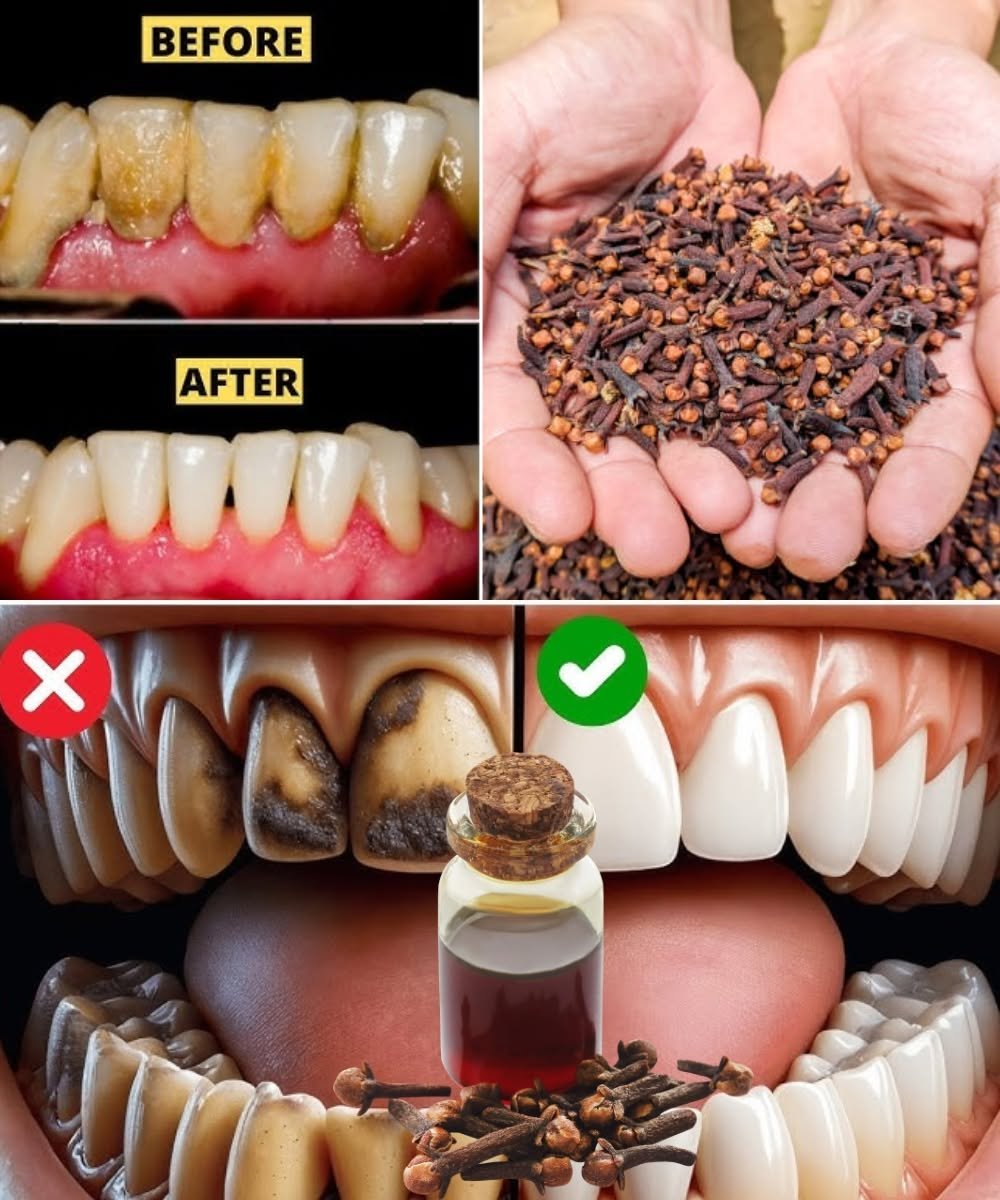
Unlock the Secret to Healthier Teeth: The Oral Care Benefits of Chewing Cloves Daily
Unlock the Secret to Healthier Teeth: The Oral Care Benefits of Chewing Cloves Daily
For centuries, cloves have been valued not only as a flavorful kitchen spice but also as a traditional remedy for various health concerns. This small, aromatic spice contains powerful natural compounds that may support oral health, including fresh breath, healthier gums, and temporary relief from tooth discomfort.
One of the most important compounds found in cloves is eugenol, a natural substance known for its antimicrobial and soothing properties. While chewing cloves should never replace regular brushing, flossing, or professional dental care, it can be a simple addition to a good oral hygiene routine.
Let’s explore how cloves may benefit your teeth and gums.
Why Cloves Are Beneficial for Oral Health
Cloves contain several natural compounds, including:
- Eugenol — known for its antimicrobial and numbing effects
- Antioxidants — help protect cells from oxidative stress
- Natural oils — contribute to their refreshing aroma and traditional use
These properties have made cloves a popular ingredient in many traditional oral care practices.
1. May Help Fight Harmful Mouth Bacteria
The mouth naturally contains many types of bacteria. Some bacteria contribute to plaque buildup, bad breath, and tooth decay.
Eugenol in cloves has been studied for its ability to limit the growth of certain microorganisms.
Potential benefits:
- Supports a cleaner mouth environment
- May reduce odor-causing bacteria
- Can complement regular dental hygiene
However, cloves alone cannot remove plaque or replace professional dental treatment.
2. Supports Healthier Gums
Healthy gums are essential for strong teeth. Gum irritation can occur due to plaque buildup, poor oral hygiene, or other dental issues.
Cloves contain compounds with anti-inflammatory properties that may help soothe mild gum discomfort.
Possible benefits:
- Helps calm minor gum irritation
- Supports overall gum wellness
- Provides a soothing sensation
If gums are frequently bleeding, swollen, or painful, a dentist should evaluate the cause.
3. Helps Freshen Breath Naturally
Bad breath is often caused by bacteria in the mouth. Because cloves have a strong aroma and antibacterial properties, they have traditionally been used as a natural breath freshener.
How cloves may help:
- Stimulate saliva production
- Reduce odor-causing bacteria
- Leave a pleasant spicy taste
Chewing one whole clove after a meal may help freshen your breath naturally.
4. Provides Temporary Toothache Relief
Cloves have a long history of use for tooth discomfort because eugenol has mild numbing properties.
Traditional use:
- A whole clove may be gently placed near the affected tooth.
- Diluted clove oil has also been used traditionally for temporary relief.
However, tooth pain is often a sign of an underlying issue such as decay or infection. A dental professional should assess persistent pain.
5. May Help Reduce Tooth Sensitivity
Some people use cloves as a traditional remedy for sensitive teeth because of their soothing properties.
The warming sensation from cloves may temporarily reduce discomfort caused by sensitivity.
For ongoing sensitivity, proper dental care is important because it can be caused by:
- Enamel wear
- Gum recession
- Cavities
- Other dental conditions
How to Use Cloves Safely for Oral Care
Simple Clove Chewing Method
- Take 1 whole clove.
- Chew gently for a few minutes.
- Allow the natural oils to release.
- Spit it out afterward if the flavor becomes too strong.
Avoid chewing large amounts because cloves are concentrated and may irritate the mouth or stomach.
Homemade Clove Mouth Rinse (Traditional Method)
Ingredients:
- 1 cup warm water
- 3–5 whole cloves
Instructions:
- Soak cloves in warm water for several hours or prepare a mild clove infusion.
- Strain the liquid.
- Use it as a rinse and spit it out.
Do not swallow large amounts of concentrated clove preparations.
Important Safety Tips
Although cloves are natural, they are powerful and should be used carefully.
Avoid excessive use because:
- Clove oil can irritate mouth tissues if not diluted.
- High amounts may interact with blood-thinning medications.
- People with certain health conditions should ask a healthcare professional before regular use.
Remember: natural does not always mean risk-free.
Cloves vs. Regular Dental Care
Chewing cloves can be a helpful traditional habit, but it should not replace:
✅ Brushing twice daily with fluoride toothpaste
✅ Daily flossing
✅ Regular dental checkups
✅ Professional treatment for cavities or gum disease
A healthy mouth requires consistent care.
Final Thoughts
Chewing cloves daily may offer several oral health benefits, including fresher breath, support for gum health, and temporary soothing effects for tooth discomfort. Thanks to compounds like eugenol, this simple spice has earned a place in traditional oral care practices.
However, cloves work best as a supportive habit, not a replacement for professional dental care. Combining natural approaches with good hygiene habits is the best way to maintain strong teeth and healthy gums.
Disclaimer: This article is for informational purposes only and is not a substitute for professional dental advice, diagnosis, or treatment. If you experience persistent tooth pain, swelling, bleeding gums, or signs of infection, consult a qualified dental professional.