10 Urgent Signs Your Thyroid May Be in Trouble: Symptoms You Should Never Ignore
10 Urgent Signs Your Thyroid May Be in Trouble: Symptoms You Should Never Ignore
The thyroid is a small butterfly-shaped gland located at the front of your neck, but it has an enormous impact on your overall health. It produces hormones that regulate your metabolism, heart rate, body temperature, energy levels, digestion, and even your mood.
When the thyroid isn’t working properly, almost every organ system can be affected. Because thyroid problems often develop gradually, many people mistake the symptoms for stress, ageing, or simply being “run down.”
Recognising the warning signs early can help you get the right diagnosis and treatment before complications develop. Here are 10 symptoms that may indicate your thyroid needs medical attention.
1. Constant Fatigue That Doesn’t Improve With Rest
Everyone feels tired occasionally, but persistent exhaustion that continues despite getting enough sleep could be a sign of an underactive thyroid (hypothyroidism).
Low thyroid hormone levels slow your body’s metabolism, making everyday activities feel more difficult.
You may notice:
- Waking up feeling exhausted
- Needing naps during the day
- Low motivation
- Difficulty completing routine tasks
If fatigue lasts for several weeks without an obvious explanation, it’s worth discussing with your healthcare provider.
2. Unexplained Weight Changes
Sudden weight gain or unexpected weight loss without changes in diet or exercise may point to a thyroid disorder.
Hypothyroidism may cause:
- Gradual weight gain
- Difficulty losing weight
- Fluid retention
Hyperthyroidism (overactive thyroid) may cause:
- Weight loss despite eating normally
- Increased appetite
- Muscle loss
While many conditions affect body weight, thyroid disease is one possible cause that should be evaluated.
3. Feeling Cold—or Hot—All the Time
Your thyroid helps regulate body temperature.
An underactive thyroid may cause you to feel unusually cold even when others are comfortable.
An overactive thyroid can make you:
- Sweat excessively
- Feel overheated
- Have difficulty tolerating warm weather
Persistent temperature sensitivity deserves medical evaluation.
4. Changes in Your Heart Rate
Thyroid hormones directly influence your heart.
Hypothyroidism may lead to:
- A slower heart rate
- Reduced exercise tolerance
Hyperthyroidism may cause:
- Rapid heartbeat
- Heart palpitations
- Irregular heart rhythm
- Feeling anxious or shaky
A racing or irregular heartbeat should never be ignored, particularly if it’s new or accompanied by chest pain, dizziness, or shortness of breath.
5. Hair Thinning and Dry Skin
Healthy thyroid hormone levels help maintain normal skin and hair growth.
Common symptoms include:
- Hair thinning across the scalp
- Dry, coarse hair
- Brittle nails
- Dry, flaky skin
- Reduced sweating
Although these symptoms have many possible causes, thyroid disorders are among them.
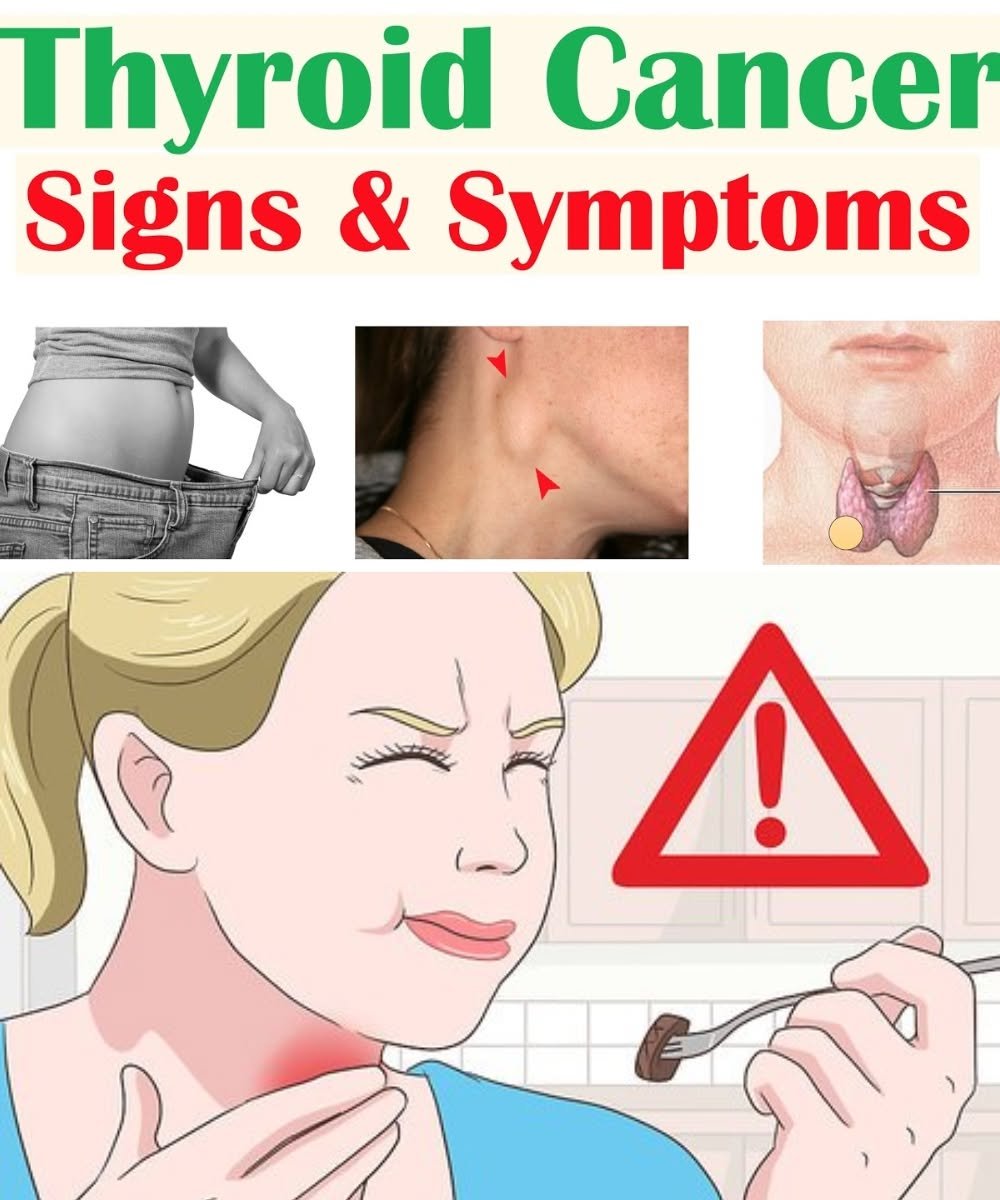
6. Swelling at the Front of the Neck
A visible or noticeable swelling near the base of your neck may indicate an enlarged thyroid, known as a goitre.
Some people also experience:
- Tightness in the neck
- Difficulty swallowing
- Hoarseness
- A sensation of pressure
Any new lump or persistent swelling in the neck should be assessed by a healthcare professional.
7. Mood Changes, Depression or Anxiety
Your thyroid influences brain function as well as physical health.
An underactive thyroid may contribute to:
- Depression
- Slowed thinking
- Poor concentration
- Memory problems
An overactive thyroid can cause:
- Anxiety
- Irritability
- Restlessness
- Difficulty relaxing
If mood changes occur alongside physical symptoms, thyroid testing may be appropriate.
8. Digestive Problems
The thyroid affects how quickly food moves through your digestive tract.
Hypothyroidism often causes:
- Constipation
- Slower digestion
- Bloating
Hyperthyroidism may lead to:
- Frequent bowel movements
- Diarrhoea
- Increased appetite
Persistent digestive changes should be evaluated rather than simply managed with over-the-counter remedies.
9. Muscle Weakness and Joint Pain
Thyroid disorders can affect your muscles and joints.
Symptoms may include:
- Muscle weakness
- Muscle cramps
- Joint stiffness
- Aching arms or legs
- Difficulty climbing stairs
- Reduced grip strength
Many people mistakenly attribute these symptoms to ageing when an underlying thyroid problem may be contributing.
10. Irregular Menstrual Cycles or Fertility Problems
Thyroid hormones interact closely with reproductive hormones.
Women with thyroid disease may experience:
- Heavy periods
- Irregular menstrual cycles
- Missed periods
- Difficulty becoming pregnant
Men may also notice:
- Reduced libido
- Erectile dysfunction
- Fertility problems
Because thyroid disorders are treatable, identifying the cause can improve reproductive health in many cases.
Who Is Most at Risk?
Although thyroid disease can affect anyone, certain factors increase the risk:
- Women (especially over age 35)
- Family history of thyroid disease
- Autoimmune disorders
- Pregnancy or recent childbirth
- Older adults
- Previous thyroid surgery or radiation treatment
Regular check-ups may be particularly important if you fall into one of these groups.
How Are Thyroid Problems Diagnosed?
If your healthcare provider suspects a thyroid disorder, they may recommend:
- Blood tests to measure thyroid hormones and thyroid-stimulating hormone (TSH)
- Thyroid antibody tests if an autoimmune condition is suspected
- Ultrasound imaging for thyroid enlargement or nodules
- Additional imaging or scans in selected cases
Most thyroid conditions can be diagnosed with relatively simple tests.
Can Thyroid Problems Be Treated?
Yes. Treatment depends on the underlying condition.
Options may include:
- Prescription thyroid hormone replacement for hypothyroidism
- Medicines that reduce thyroid hormone production for hyperthyroidism
- Radioactive iodine therapy in some cases
- Surgery for certain thyroid nodules, cancers, or severe overactivity
Many people experience significant improvement once the condition is properly diagnosed and managed.
When Should You See a Doctor?
Arrange a medical appointment if you have:
- Persistent fatigue
- Unexplained weight changes
- Ongoing temperature intolerance
- Neck swelling
- Heart palpitations
- Hair loss with other thyroid symptoms
- Menstrual changes or fertility concerns
- Several of the symptoms listed above
Seek urgent medical care if you develop severe chest pain, difficulty breathing, confusion, or a very fast or irregular heartbeat.
Final Thoughts
Your thyroid may be small, but its effects reach nearly every part of your body. Symptoms often develop gradually and can be easy to dismiss, yet early diagnosis can prevent complications and improve quality of life.
If you’ve noticed several of these warning signs, don’t ignore them or assume they’re simply part of getting older. A conversation with your healthcare provider and appropriate testing can help determine whether your thyroid is contributing to your symptoms. Early recognition and treatment often lead to excellent outcomes.