
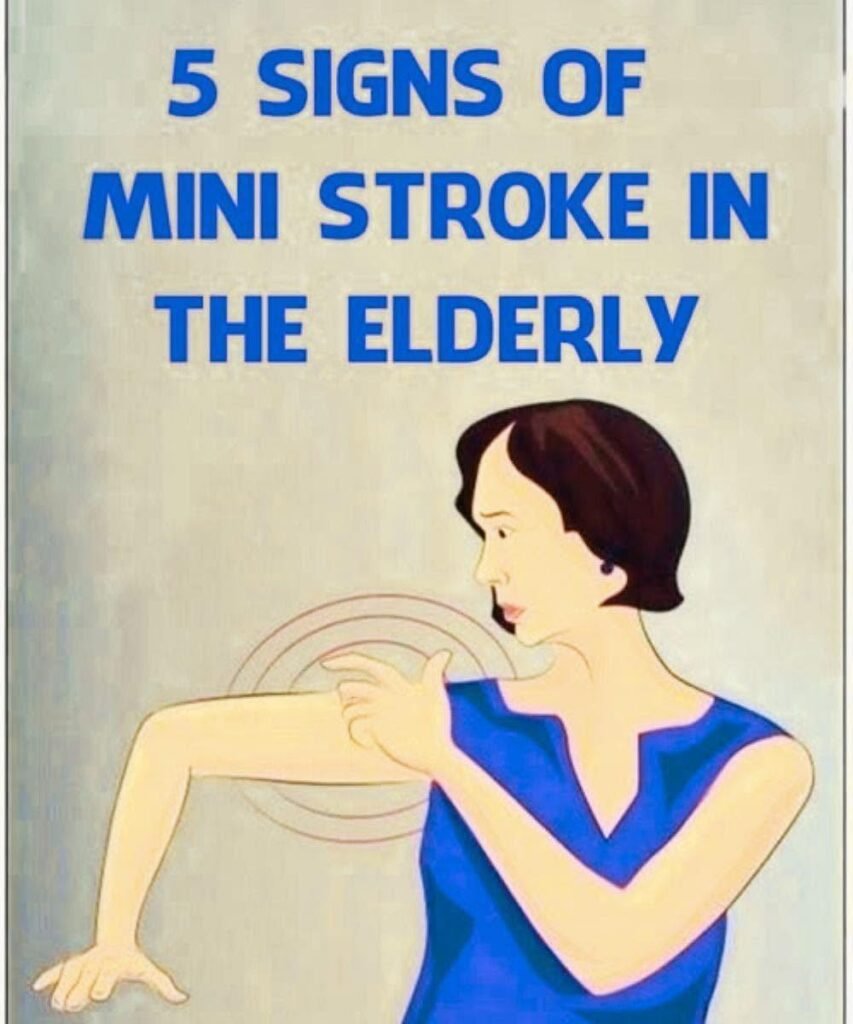
Mini-Stroke in Older Adults: Early Warning Signs, Risk Factors, and When to Seek Emergency Care
What Is a Mini-Stroke?
A mini-stroke, also known as a transient ischemic attack (TIA), occurs when blood flow to part of the brain is temporarily interrupted. Unlike a major stroke, the symptoms usually disappear within minutes or hours and do not cause permanent brain damage. However, a TIA is a serious medical emergency because it can be an early warning sign that a full stroke may occur soon.
Common Symptoms
Mini-stroke symptoms appear suddenly and should never be ignored. Watch for:
- Weakness or numbness on one side of the face, arm, or leg
- Difficulty speaking or understanding speech
- Sudden confusion
- Blurred or double vision
- Loss of balance or coordination
- Dizziness or trouble walking
- A severe headache with no obvious cause
Even if these symptoms improve quickly, immediate medical evaluation is essential.
Risk Factors
Older adults are at higher risk of experiencing a TIA, especially if they have:
- High blood pressure
- Diabetes
- High cholesterol
- Heart disease or atrial fibrillation
- Smoking history
- Obesity
- Physical inactivity
- Family history of stroke
Managing these conditions can significantly reduce stroke risk.
What to Do
If you think someone is having a mini-stroke, call emergency services immediately. Do not wait for symptoms to disappear. Healthcare providers may perform brain imaging, blood tests, heart monitoring, and other evaluations to determine the cause and reduce the risk of a future stroke.
Prevention Tips
Healthy habits can help lower the risk of both TIAs and strokes:
- Keep blood pressure under control.
- Take prescribed medications consistently.
- Eat a heart-healthy diet rich in fruits, vegetables, and whole grains.
- Stay physically active.
- Avoid smoking and limit alcohol consumption.
- Attend regular medical checkups.
Final Thoughts
A mini-stroke is never something to ignore. Although symptoms may be temporary, it is a warning that a more serious stroke could happen in the future. Recognizing the signs, seeking immediate medical care, and managing risk factors can help protect brain health and improve long-term outcomes.