
Heart disease remains the leading cause of death for both men and women in the United States, claiming one life every 33 seconds according to the latest data from the American Heart Association and CDC—more than all cancers combined. Many people dismiss subtle changes like crushing fatigue or sudden breathlessness as normal aging, stress, or lack of sleep, allowing these quiet signals to build for weeks or even a full month before a crisis hits. This delay turns everyday activities into exhausting ordeals, stealing joy from family moments, work, and simple pleasures that once felt effortless. But the encouraging news is that your body often sends clear advance warnings if you know what to watch for. Keep reading to the end, because the fifth signal—and a simple 4-week action plan most people miss—could help you protect your heart before it’s too late.
Why These Early Warnings Matter More Than You Think
By the time most adults reach their mid-40s, the heart can start sending messages that get overlooked. Persistent tiredness, shortness of breath, or unexplained swelling affect millions every year, yet few connect them to cardiovascular health. But here’s the truth: ignoring these clues month after month lets minor issues quietly progress into more serious problems. You’ve probably tried extra coffee, better sleep, or “pushing through it”—only to feel no real improvement. That’s because the root cause often lies deeper. The good news? Spotting these patterns early gives you real power to act.
But that’s just the beginning. Let’s break down the five most common signals, backed by clinical observations from the American Heart Association.
Signal #1: Extreme, New, Unexplained Fatigue That Doesn’t Improve with Rest
Picture this: folding laundry or taking a quick shower leaves you completely drained, as if you’d run a marathon. Sarah, a 52-year-old teacher in Texas, experienced exactly that. She first blamed perimenopause and long workdays, but the exhaustion felt different—deep, heavy, and unrelenting.
Research shows this profound fatigue appears in up to 70% of people in the weeks or month before a major heart event, especially women. When the heart’s pumping efficiency drops, less oxygen reaches your muscles and organs. It’s like running an engine on low fuel—everything struggles.
Quick self-check: On a scale of 1–10, how unusual or severe has your tiredness been lately? If it’s a 7 or higher and it’s a recent change, consider it a red flag. Sarah eventually sought help after collapsing on a short walk. Tests caught early cardiac strain, and timely care helped her avoid worse outcomes.
But fatigue is often only the first whisper. What happens when even simple breathing starts to feel difficult?
Signal #2: Shortness of Breath During Light Activity—or Even at Rest
Take a normal breath right now. Now imagine that same act feeling labored after crossing a parking lot—or worse, while lying in bed. John, a 58-year-old construction supervisor in Florida, noticed he had to pause after just one flight of stairs. At night he needed extra pillows to breathe comfortably, a sign doctors call orthopnea.
Shortness of breath, or dyspnea, ranks among the most consistent early warnings listed by the American Heart Association. When the heart weakens, fluid can back up into the lungs. Studies indicate this symptom shows up in 40–50% of cases leading to major cardiac events.
Quick self-check: How often do you feel short of breath with minimal effort lately? If it’s increasing, it’s rarely just “being out of shape.” John’s doctor ordered an echocardiogram that caught early changes. Medication and lifestyle shifts helped him breathe easier and regain energy.
But what if that breathless feeling pairs with something pressing in your chest?
Signal #3: Chest Pressure, Tightness, Pain, or Discomfort Triggered by Activity
This one gets the most attention, yet it’s often misunderstood. It may not feel like the dramatic “elephant on the chest” from movies. Many describe a heavy pressure, squeezing, burning, or even indigestion-like discomfort that appears during effort or stress and eases with rest.
Maria, 47, a marketing manager in California, felt a tight band around her chest when hurrying for a train or walking briskly. The feeling sometimes spread to her jaw or left arm. She initially blamed reflux or anxiety—until one episode lingered longer than usual.
This discomfort, known as angina, signals reduced blood flow to the heart muscle. Clinical studies show it appears in over 60% of cases in the weeks or month before a heart event. The key clue: it reliably ties to exertion and improves with rest.
Self-assessment: On a scale of 1–10, how often do you notice any chest discomfort linked to activity? If the answer is above zero and it’s new, seek medical evaluation promptly. Maria’s stress test revealed blockages, and a simple procedure prevented a potential crisis.
You’re already past the halfway mark—great job staying with this. You’re among the readers who reach the life-saving details others miss.
Quick Mid-Article Check-In
- How many warning signs have we covered so far? (3)
- Which symptom feels most familiar right now?
- Rate your current energy level compared to when you started reading (1–10).
Ready for the next one? Let’s continue.
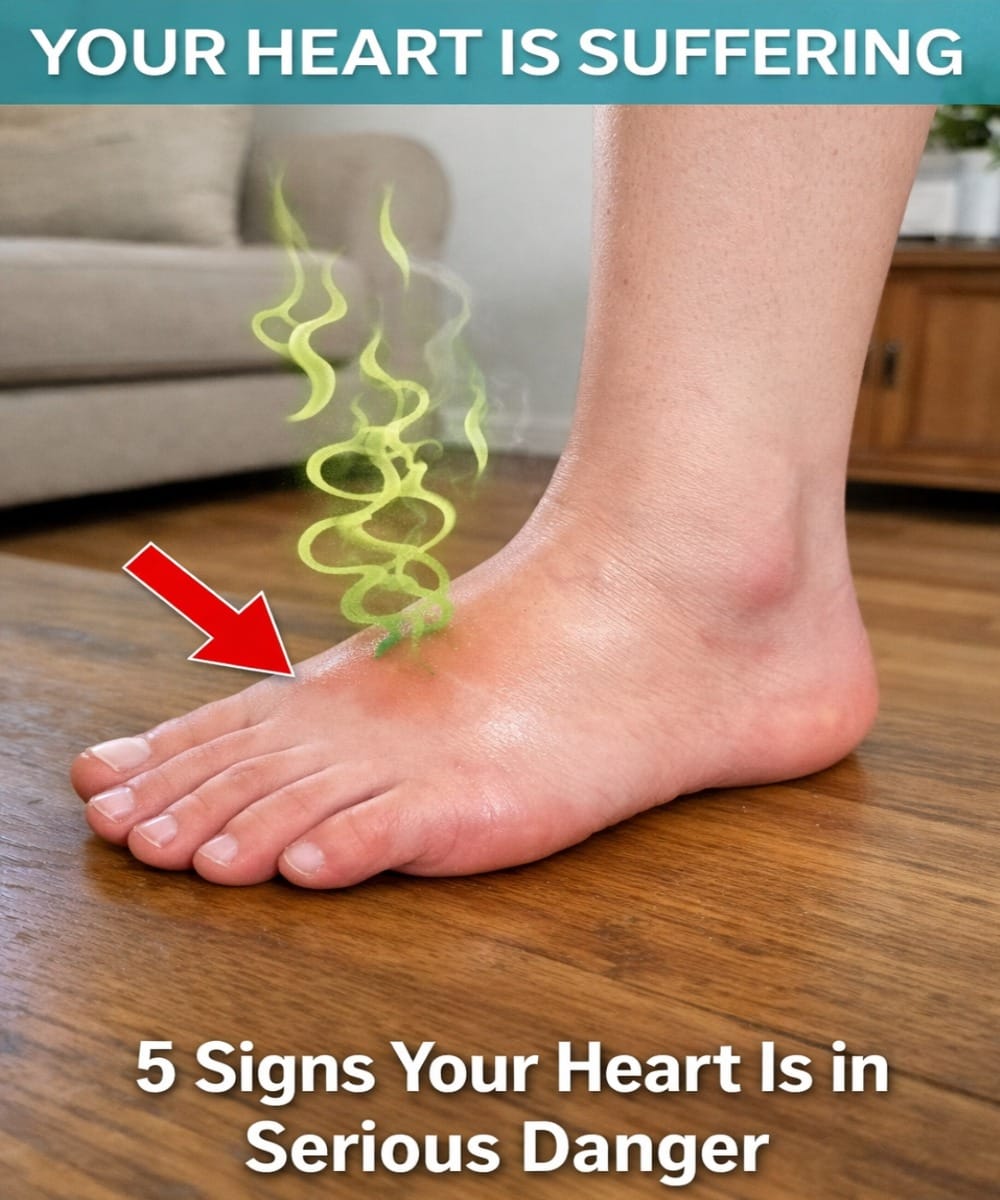
Signal #4: New or Worsening Swelling in the Legs, Ankles, or Feet
Your shoes feel tighter by evening. Press a finger into your shin and the dent lingers for seconds. Socks leave deep marks. This peripheral edema often gets dismissed—but it can signal heart trouble.
When pumping power weakens, blood flow slows in the veins, especially lower in the body. Fluid leaks into tissues, and kidneys retain salt and water, making swelling worse. Tom, 62, a retired mechanic in Ohio, noticed puffy ankles and a sudden 5-pound weight gain in a week. He blamed diet and sitting—until it climbed higher.
According to Mayo Clinic and American Heart Association guidelines, sudden unexplained edema is a classic sign of congestive heart failure.
Self-check: Press your lower leg or ankle for 5 seconds. Does the dent stay visible longer than a few seconds? If this is new, it’s worth checking. Tom’s tests showed elevated heart-stress markers. Simple treatments reduced the swelling and protected his heart long-term.
One more signal remains—and it can feel especially alarming when combined with the others.
Signal #5: Dizziness, Lightheadedness, Near-Fainting, or Irregular Heartbeats
You stand up quickly and the room spins. Your heart races, flutters, skips beats, or pounds in your throat. These can point to an electrical issue or reduced blood output from the heart.
The American Heart Association lists dizziness, fainting spells, and palpitations as key warnings. Research shows irregular rhythms or poor perfusion appear in roughly 40% of people in the prodromal phase before major events. Lisa, 55, a nurse in New York, felt frequent lightheadedness and a “flopping” heart sensation. She first thought anxiety or low blood sugar—until monitoring captured atrial fibrillation.
Think back over the past month: any dizziness, near-fainting, or noticeable irregular beats? Especially if paired with other signs, get checked soon. Lisa started targeted medication and changes; the episodes stopped and her heart function stabilized.
How These Signals Work Together—and What to Do Next
Rarely do these signs appear alone. Fatigue plus shortness of breath is an especially common and concerning pair. Adding chest discomfort, swelling, or palpitations raises the urgency even more.
Here’s a quick comparison to help you sort excuses from real signals:
| Symptom | Typical Excuse | Likely Heart-Related Explanation | Recommended Next Step |
|---|---|---|---|
| Extreme Fatigue | “Just getting older” | Reduced oxygen delivery to tissues | Doctor visit + basic blood tests |
| Shortness of Breath | “Out of shape / asthma” | Fluid backup in lungs from weak pumping | EKG + echocardiogram |
| Chest Discomfort | “Indigestion / stress” | Angina from narrowed coronary arteries | Stress test or cardiology consult |
| Leg / Ankle Swelling | “Too much salt / standing” | Fluid retention due to heart strain | BNP blood test + heart eval |
| Dizziness / Palpitations | “Anxiety / low blood sugar” | Arrhythmia or inadequate cardiac output | Holter monitor or event recorder |
Simple 4-Week Action Timeline
- Week 1: Keep a daily symptom journal to spot patterns.
- Week 2: Book a primary-care or urgent-care visit for basic screening (EKG, blood pressure, labs).
- Weeks 3–4: Follow up with a cardiologist if recommended for advanced testing.
- Ongoing: Build heart-protective habits like regular movement and lower-sodium eating.
Bonus tip most people miss: Weigh yourself every morning at the same time. A sudden 2–3 pound gain in 24–48 hours can mean fluid retention—contact your doctor the same day.
The Bottom Line: Your Heart Is Speaking—Will You Listen?
Imagine yourself 30 days from now: more energy for the people and activities you love, easier breathing, deeper sleep, and real peace of mind. Acting on these early signals can mean more years of vitality instead of emergency visits or limitations. You’re not overreacting by getting checked—you’re being smart about your most vital organ.
Three immediate next steps you can take today:
- Bookmark this article and share it with someone you care about.
- Call your doctor’s office (or visit urgent care if symptoms feel active) and describe what you’ve noticed.
- Start a one-week symptom journal tonight—then come back and share how you’re feeling in the comments.
P.S. The most powerful multiplier for heart health? Pair early awareness with basics like managing stress, moving daily, and choosing mostly plant-based, low-sodium meals. Small choices add up to decades of difference.
FAQ
1. Can heart problems really give warnings a month in advance?
Yes, clinical observations show that underlying conditions like reduced pumping efficiency or narrowed arteries often send signals days to weeks—or even a month—before a major event. Recognizing them early matters.
2. Is extreme fatigue always a sign of heart trouble?
Not always, but when it’s new, unexplained, and doesn’t improve with rest, it’s worth discussing with a doctor. It can stem from many causes, including cardiovascular ones.
3. What should I do if I notice several of these signs at once?
Contact your healthcare provider right away. They can run simple tests to rule out or confirm issues and guide you on next steps tailored to your situation.
Disclaimer: This article is for informational purposes only and is not a substitute for professional medical advice, diagnosis, or treatment. Always consult your healthcare provider regarding any questions or concerns about your health.