
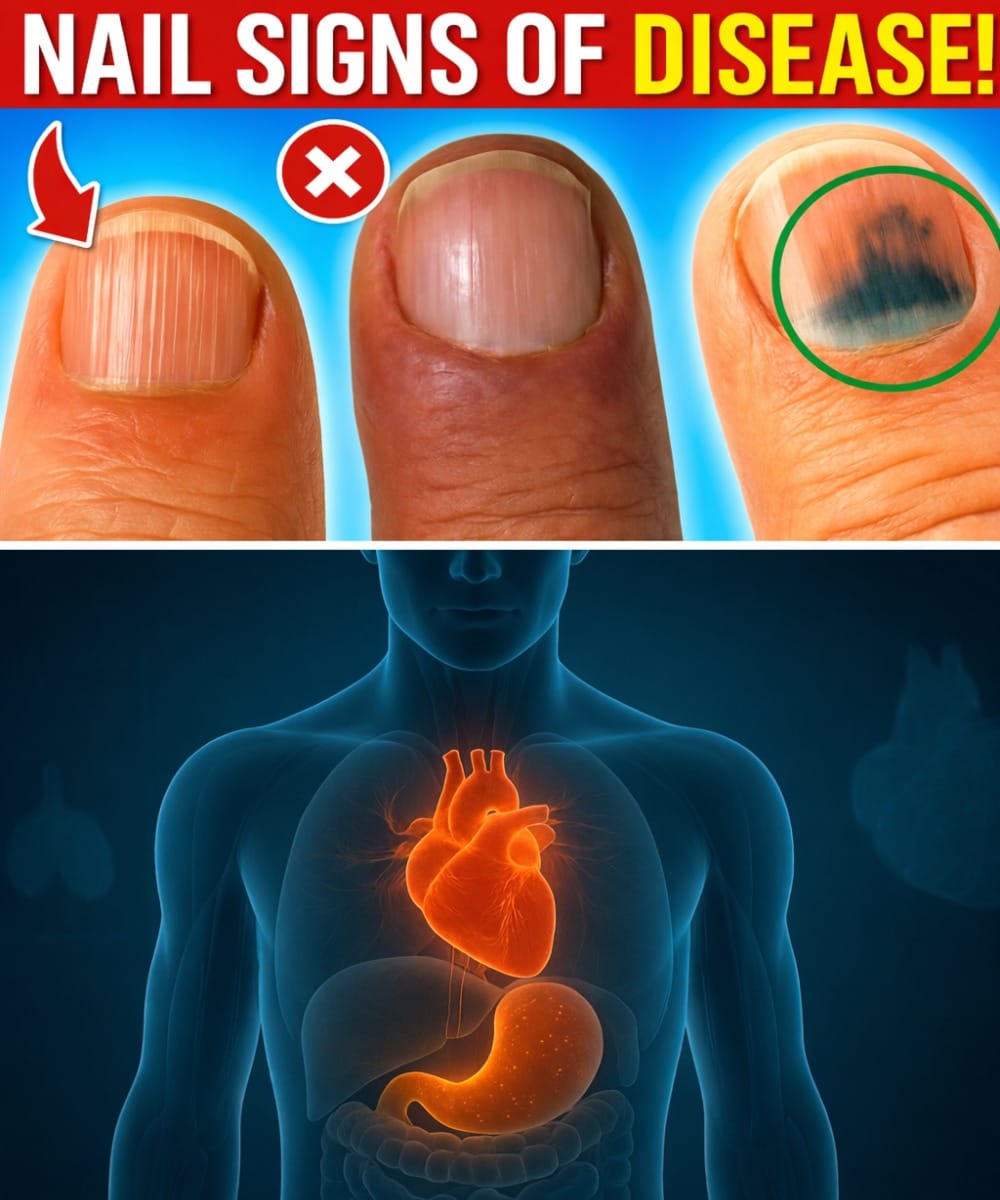
Your nails might seem like small details, but changes in their color, shape, or texture can sometimes signal something deeper going on inside your body. Many people notice ridges, spots, or discoloration and brush it off as nothing serious—only to later discover it was an early clue to a health issue that could have been addressed sooner. Ignoring these subtle signs can lead to unnecessary worry or missed opportunities for early intervention.
The good news? By understanding what your nails are trying to tell you, you can take proactive steps—and today, we’ll cover eight common changes that research links to potential health concerns. But here’s the intriguing part: one of these signs is often overlooked yet could be the most urgent… keep reading to find out which one it is and what to do next.
Why Your Nails Matter for Overall Health
Nails are more than just for polishing—they’re made of keratin, the same protein as your hair and skin, and they grow from the nail matrix beneath the cuticle. Changes here can reflect nutritional deficiencies, oxygen levels in your blood, or even systemic conditions. Studies from sources like the American Academy of Dermatology and Mayo Clinic show that nail abnormalities appear in various diseases, though they’re rarely the only symptom.
Here’s the reality: most nail changes are harmless and related to aging, trauma, or habits. But when they persist or appear suddenly, it’s worth paying attention.
1. Vertical Ridges: Often Normal, But Sometimes a Clue
Those faint lines running from cuticle to tip? They’re common as we age and usually harmless—think of them like wrinkles on your nails.
But that’s not the whole story…
Deeper or more pronounced vertical ridges can sometimes point to nutritional gaps, like low iron or dehydration. Research indicates they may also appear in conditions affecting nutrient absorption.
Quick Tip: Stay hydrated and eat iron-rich foods like spinach or lean meats. If ridges feel rough or deepen suddenly, chat with your doctor.
2. Horizontal Ridges or Dents (Beau’s Lines): A Pause in Growth
Unlike vertical ones, these run across the nail and often mean your nail growth temporarily stopped—perhaps due to a high fever, stress, or illness.
Here’s the interesting part: Beau’s lines can appear weeks or months after the event, serving as a timeline of your body’s stress.
They’ve been noted in everything from severe infections to nutritional shortfalls.
- Common triggers:
- Recent illness or surgery
- Zinc or protein deficiency
- Certain medications
As the nail grows out (about 3-6 months for fingernails), the lines usually disappear.
3. White Spots: Usually From Minor Bumps
Those little white dots? Most often from everyday knocks to the nail matrix—nothing serious.
But wait…
In rare cases, multiple or persistent spots might link to low zinc or other deficiencies, per some studies.
They typically grow out harmlessly.
Pro Tip: Protect your nails with gloves during chores to avoid trauma.
4. Yellow Nails: Beyond Polish Stains
Yellowing can come from frequent dark polish or smoking, but thicker, slower-growing yellow nails might signal something internal.
Research shows associations with respiratory issues or, rarely, yellow nail syndrome (a condition involving nails, lungs, and swelling).
Fungal infections are another common culprit, especially in toenails.
- Ways to help prevent yellowing:
- Use a base coat under polish
- Keep nails dry and clean
- Avoid smoking
5. Blue or Purplish Nails: An Oxygen Alert
A bluish tint under the nails can mean your body isn’t getting enough oxygen—often linked to lung or heart concerns.
This isn’t always dramatic; cold hands can cause temporary blueness too.
But persistent color warrants attention, as studies tie it to conditions reducing blood oxygen.
6. Spoon-Shaped Nails (Koilonychia): Often Tied to Iron
When nails curve upward like a spoon, it’s classic for iron deficiency—making them thin and concave.
This change affects up to 5% of people with low iron, according to reports.
Other links include certain absorption issues.
Actionable Steps to Support Healthy Nails:
- Get bloodwork to check iron levels if you notice spooning.
- Incorporate iron-rich foods (pair with vitamin C for better absorption).
- Consider a gentle supplement only if advised by your doctor.
7. Clubbed Nails: Bulbous Tips That Curve Down
Clubbing happens when fingertips enlarge and nails curve downward—like an upside-down spoon.
It’s strongly associated with lung or heart diseases in adults, though sometimes hereditary and benign.
The exact mechanism involves changes in blood flow, but it’s a sign doctors take seriously.
8. Dark Vertical Lines: The One You Shouldn’t Ignore
A thin brown or black streak running lengthwise? In many people (especially darker skin tones), it’s benign pigmentation.
Here’s the crucial distinction…
If the line widens, darkens, changes irregularly, or appears with nail distortion/bleeding (Hutchinson’s sign), it could indicate subungual melanoma—a rare but serious skin cancer under the nail.
Dermatologists use the ABCDEF rule for suspicious lines:
- Age (50-70 common), African/Asian/Native American descent
- Brown/black band >3mm wide
- Change in size or growth
- Digit involved (thumb/big toe most common)
- Extension to cuticle/skin
- Family/personal history of melanoma
This is the “most urgent” sign mentioned earlier—early detection matters hugely.
Simple Steps to Check and Care for Your Nails Today
Ready to take control? Here’s an easy routine:
- Examine all 20 nails monthly under good light.
- Note any new changes in color, shape, or texture.
- Keep nails trimmed, moisturized, and protected (gloves for wet work).
- Eat a balanced diet rich in biotin, iron, zinc, and protein.
- Avoid biting or picking—gentle care prevents many issues.
These habits can keep your nails strong while helping you spot changes early.
In Summary: Listen to Your Nails
Your nails offer valuable glimpses into your health—from minor deficiencies to rarer serious signals. Most changes are benign, but awareness empowers you to act when needed.
Frequently Asked Questions
Q: Are all nail changes a sign of serious illness?
A: No—most are harmless, from aging, trauma, or habits. But persistent or sudden changes deserve a professional check.
Q: How long do nail changes take to grow out?
A: Fingernails grow about 3mm per month, so full replacement takes 6 months. Toenails are slower (up to 18 months).
Q: When should I see a doctor about my nails?
A: If changes appear suddenly, affect multiple nails, or come with other symptoms like fatigue or shortness of breath. For dark lines, see a dermatologist promptly.
Disclaimer: This article is for informational purposes only and not medical advice. Nail changes can have many causes; always consult a healthcare professional for personalized evaluation and diagnosis. Never disregard professional medical advice or delay seeking it because of something you read here.