
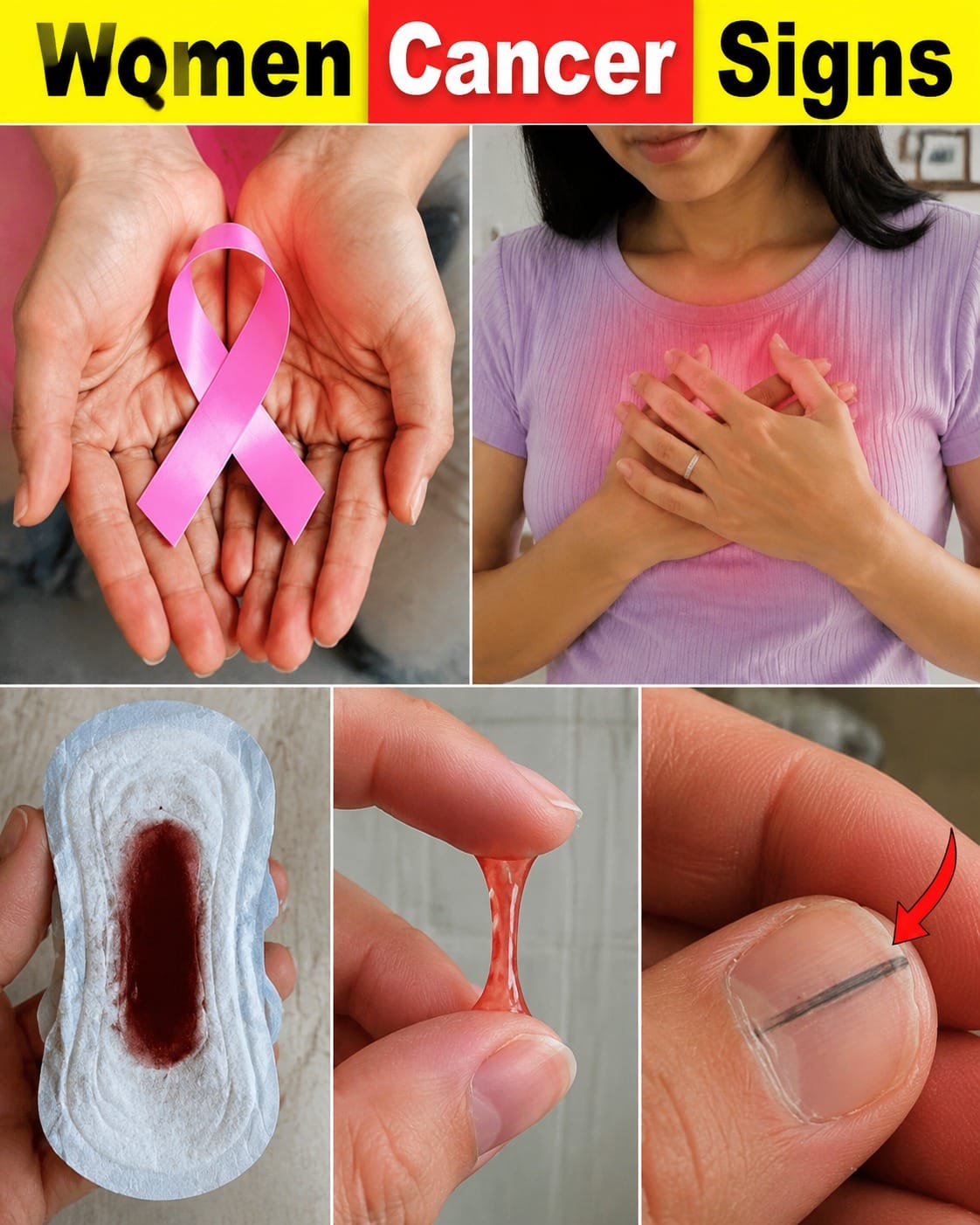
You’ve likely brushed off a few extra pounds lost without trying, a lingering tiredness that coffee can’t fix, or a small change in your skin as nothing more than stress, hormones, or getting older. These everyday explanations feel comforting—until they aren’t. What feels like a minor annoyance today can quietly signal something far more serious that deserves attention now, not later. The good news is that spotting these changes early and talking to your doctor can make all the difference in getting the answers and care you need. But here’s the part most women never hear: one surprising sign that seems completely harmless often turns out to be the one that changes everything if you know what to look for.
Why These Visible Signs Matter More Than You Think
Cancer doesn’t always announce itself with dramatic pain or obvious lumps. Many early clues are subtle, visible changes that women dismiss because life is busy and “it’s probably nothing.” Research from the American Cancer Society shows that noticing these signals and acting quickly often leads to earlier detection and better outcomes. Yet most women wait weeks—or months—before mentioning them to a doctor. That delay can matter. The truth is, your body is constantly sending messages. Learning to listen without panic but with smart action is one of the most powerful things you can do for your health.
But that’s just the beginning. Let’s walk through the 14 visible signs that deserve your full attention.
1. Unexplained Weight Loss
Dropping 10 pounds or more without changing your diet or exercise routine can feel like a win. Yet when it happens suddenly, it may point to changes in how your body is using energy. According to health experts, this can sometimes link to cancers of the pancreas, stomach, or lungs. Don’t celebrate too quickly—track it and tell your doctor if it continues.
2. Persistent Fatigue
You’re getting enough sleep, yet you feel drained all the time. This isn’t the normal “busy mom” tiredness. Extreme fatigue that doesn’t improve with rest can be connected to blood-related conditions or other underlying issues. Many women blame it on their hectic schedules, but here’s what changes everything: a simple blood test can rule out hidden causes.
3. Changes in the Breast
A new lump, skin dimpling, redness, or unexpected nipple discharge shouldn’t be ignored. Even if you just had a mammogram, changes can appear between visits. The American Cancer Society recommends monthly self-exams because early detection of breast changes gives you the best options. But that’s not all—many women feel embarrassed to mention them. Don’t be.
4. Skin Changes
New moles, spots that itch or bleed, or sores that refuse to heal aren’t always “just aging.” Use the ABCDE rule (Asymmetry, Border, Color, Diameter, Evolving) to check yourself. Skin changes can be visible clues worth discussing with your dermatologist or doctor right away.
Quick Skin Check List:
- Asymmetry: One half doesn’t match the other
- Border: Irregular, blurred, or notched edges
- Color: Varied shades of brown, black, or red
- Diameter: Larger than a pencil eraser
- Evolving: Changing in size, shape, or symptoms
5. Abnormal Vaginal Bleeding
Spotting between periods, bleeding after menopause, or unusually heavy flows can feel awkward to mention. Yet this is one of the most common early signs of reproductive cancers. The embarrassment factor keeps many women silent. Here’s the part that matters: most causes are treatable when caught early. Your doctor has heard it all before.
6. Persistent Bloating and Abdominal Swelling
Feeling full, swollen, or bloated for more than a couple of weeks—especially with loss of appetite—gets blamed on diet or hormones. But persistent bloating can be a quiet clue. Keeping a simple food and symptom diary for two weeks helps your doctor see the pattern clearly.
7. Changes in Bowel Habits
Sudden constipation, diarrhea, narrower stools, or blood in the stool that lasts more than a few weeks isn’t normal. Many women chalk it up to stress or diet changes. The truth? A short conversation with your doctor can bring peace of mind or lead to simple tests.
8. Chronic Cough or Hoarseness
A cough or hoarse voice that lingers beyond two weeks often gets ignored as a lingering cold. Yet it can be linked to issues in the lungs or throat. Don’t wait for it to “go away on its own.”
9. Difficulty Swallowing
Meals that suddenly feel stuck or painful aren’t always reflux or stress. This visible struggle with swallowing deserves a closer look before it affects your nutrition.
10. Persistent Pain
Ongoing aches in the back, pelvis, or bones that don’t improve with rest or over-the-counter help aren’t something to simply “tough out.” Pain is your body’s way of asking for attention.
11. Unusual Skin Itching or Yellowing
Itchy skin without a rash or a yellowish tint to your skin or eyes can point to internal changes. Many women blame dry winter skin, but it’s worth checking.
12. Frequent Infections or Low-Grade Fevers
Catching every bug going around or running unexplained low fevers can signal your immune system is working overtime. Track the pattern and share it with your doctor.
13. Swelling in Lymph Nodes
A lump in your neck, armpit, or groin that doesn’t go away after a couple of weeks is often mistaken for a minor infection. Oncology guidelines recommend getting it checked rather than waiting.
14. Changes in the Mouth
White patches, sores that won’t heal, or unusual spots inside your mouth—especially if you smoke or drink—need attention. Regular dental check-ups often catch these early.
But here’s the part that surprises most women: these signs don’t always mean cancer. In fact, the vast majority have far simpler explanations. The real danger is assuming they’re harmless without checking.
Actionable Tips You Can Start Today
Taking control doesn’t have to be overwhelming. Follow these simple steps:
- Perform a monthly breast self-exam in the shower or in front of a mirror.
- Do a full-body skin check once a month using the ABCDE rule.
- Keep a two-week symptom journal noting what you eat, how you feel, and any changes.
- Schedule your annual wellness visit and bring your journal.
- Talk openly with your doctor—prepare a short list of concerns before the appointment.
These small habits can give you confidence and clarity without causing unnecessary worry.
What to Do If You Notice Any of These Signs
See your doctor promptly if any symptom lasts more than two weeks. Bring notes about when it started, what makes it better or worse, and any family history. Early conversations lead to simple tests that can rule things out—or catch them when they’re most manageable.
Conclusion
Your body is talking to you every single day. Those 14 visible signs aren’t meant to scare you—they’re invitations to pay attention with compassion and confidence. Awareness is your strongest ally. By listening now instead of dismissing later, you give yourself the greatest gift: peace of mind and the best possible chance at staying healthy for the years ahead.
Frequently Asked Questions
Q1: Are these signs always cancer?
No. Most of the time these symptoms have much more common, treatable causes like infections, hormones, or lifestyle factors. A doctor’s evaluation is the only way to know for sure.
Q2: How often should I check myself?
Monthly breast and skin self-exams are recommended, plus an annual physical with your doctor. Consistency is more important than perfection.
Q3: What if I’m young and healthy—do I still need to worry?
Yes. While risk increases with age, these signs can appear at any stage of life. Early awareness matters no matter your age.
Medical Disclaimer: This article is for informational purposes only and is not a substitute for professional medical advice, diagnosis, or treatment. Always consult your healthcare provider if you have concerns about your health. Early detection saves lives, but only a qualified physician can provide personalized guidance.