🌿 Euphorbia Hirta for Eye Health: Can This Traditional Plant Really Support Vision?
🌿 Euphorbia Hirta for Eye Health: Can This Traditional Plant Really Support Vision?
Do your eyes feel tired after hours of screen time? Have you experienced dryness, irritation, or temporary blurred vision?
These complaints are common, and many people are interested in natural remedies that may support eye comfort. One plant that sometimes appears in traditional medicine is Euphorbia hirta, a small herb found in tropical and subtropical regions.
But before using any herbal preparation around your eyes, it is important to separate traditional claims from scientific evidence.
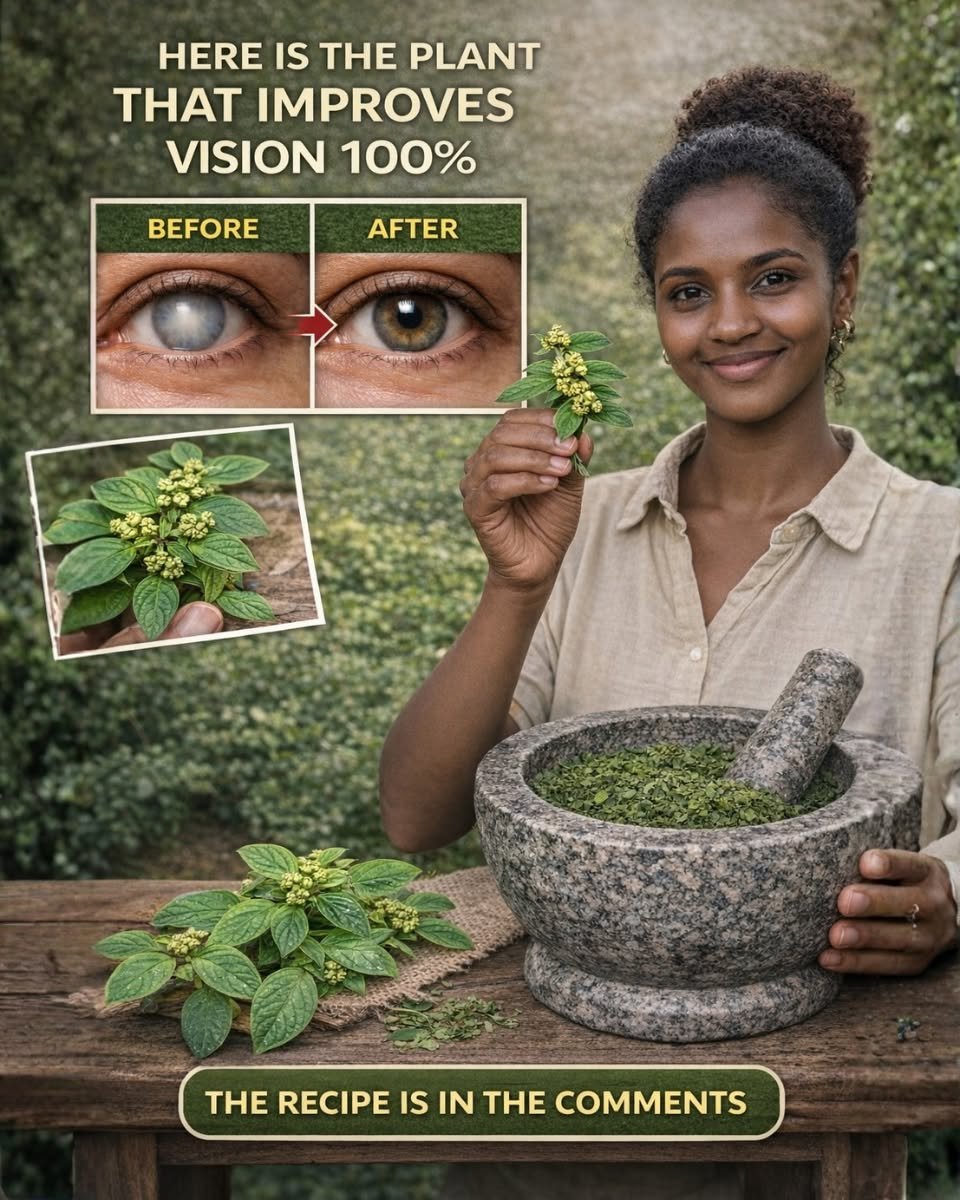
🌱 What Is Euphorbia Hirta?
Euphorbia hirta is a herb traditionally used in several parts of Asia, Africa, and Latin America.
It is also known by names such as:
- Asthma plant
- Tawa-tawa
- Dugdhika
The plant contains various naturally occurring compounds, including flavonoids, tannins, and other plant chemicals that have been investigated in laboratory research.
Traditional uses have included preparations for respiratory complaints, skin conditions, digestive problems, and other health concerns.
However, traditional use does not automatically mean that a plant has been proven safe or effective for treating a particular medical condition.
👁️ What About Euphorbia Hirta and Eye Health?
Some traditional practices have associated Euphorbia hirta with eye comfort and minor irritation.
Laboratory research has also investigated compounds found in the plant for antioxidant and anti-inflammatory properties.
However, there is an important distinction:
Evidence from laboratory or animal studies does not prove that Euphorbia hirta improves human vision or prevents eye disease.
At present, there is not strong clinical evidence showing that Euphorbia hirta can treat conditions such as cataracts, glaucoma, macular degeneration, or other causes of vision loss.
🔬 What Does the Research Suggest?
Researchers have identified several potentially biologically active compounds in Euphorbia hirta.
Some laboratory studies suggest that extracts may have antioxidant or anti-inflammatory activity. These findings are interesting, but they are still preliminary.
A substance showing antioxidant activity in a laboratory experiment does not necessarily mean that consuming or applying the plant will protect a person’s eyes.
More high-quality human research would be needed before making medical claims about its benefits for vision.
⚠️ The Most Important Safety Warning
Do not put Euphorbia hirta sap, latex, juice, or homemade herbal preparations directly into your eyes.
Many Euphorbia species produce a milky latex that can be irritating to the eyes and skin. Eye exposure can cause significant irritation and inflammation.
For this reason, homemade eye drops made from fresh leaves, sap, or plant extracts should not be considered a safe alternative to medically tested eye products.
If plant material or latex accidentally gets into your eye, rinse the eye thoroughly with clean running water and seek medical attention if pain, redness, blurred vision, or sensitivity to light persists.
🌿 What About Using the Plant Around the Eyes?
It’s important to distinguish between traditional external use and medically proven treatment.
Even if a preparation is applied only to the skin around the eye, there is a possibility that it can accidentally enter the eye or cause skin irritation.
Because the skin around the eyes is delicate, using untested herbal preparations in this area is generally not worth the risk.
A clean, cool compress is a much safer option for temporary eye discomfort.
👓 Safer Ways to Support Everyday Eye Comfort
If your eyes feel tired after screen use, consider simple measures with better-established safety:
1. Take Regular Screen Breaks
Follow the 20-20-20 approach: every 20 minutes, look at something about 20 feet away for around 20 seconds.
2. Blink More Often
People tend to blink less while concentrating on screens. Making a conscious effort to blink regularly can help reduce dryness.
3. Stay Hydrated
Adequate fluid intake supports overall health and may help if dehydration is contributing to discomfort.
4. Protect Your Eyes From Excessive Sun Exposure
Sunglasses that provide appropriate UV protection can help reduce exposure to ultraviolet radiation.
5. Eat a Balanced Diet
Vegetables, fruits, fish, nuts, seeds, and other nutrient-rich foods contribute to overall nutritional health, including nutrients important for normal eye function.
6. Get Regular Eye Examinations
Eye diseases can sometimes develop without obvious symptoms. Regular examinations can help detect problems before significant vision loss occurs.
🚨 Don’t Treat These Symptoms With Home Remedies
Some eye symptoms require professional evaluation rather than herbal treatment.
Seek prompt medical attention for:
- Sudden vision loss
- Severe eye pain
- A sudden increase in floaters or flashes
- A dark curtain or shadow across your vision
- Significant redness with pain
- New or rapidly worsening blurred vision
- Eye injury or chemical exposure
These symptoms can sometimes indicate serious eye problems where early treatment matters.
🌿 The Bottom Line
Euphorbia hirta has an interesting history in traditional medicine, and researchers continue to investigate compounds found in the plant.
But there is currently not enough reliable human evidence to recommend Euphorbia hirta as a treatment for vision problems or eye disease.
Most importantly, its milky latex should not be placed in the eyes. Homemade herbal eye drops can cause irritation or injury and should not replace professionally tested treatments.
For everyday eye comfort, simple habits such as taking screen breaks, blinking regularly, protecting your eyes from excessive UV exposure, maintaining a nutritious diet, and getting appropriate eye examinations are safer choices.
Natural does not always mean risk-free. When it comes to your eyesight, protecting your eyes is more important than experimenting with unproven remedies.
Disclaimer: This article is for educational purposes only and does not constitute medical advice, diagnosis, or treatment. If you have persistent or concerning eye symptoms, consult a qualified eye-care professional.