Mix Baking Soda With Vaseline: 5 Simple Uses and Important Safety Tips
Mix Baking Soda With Vaseline: 5 Simple Uses and Important Safety Tips
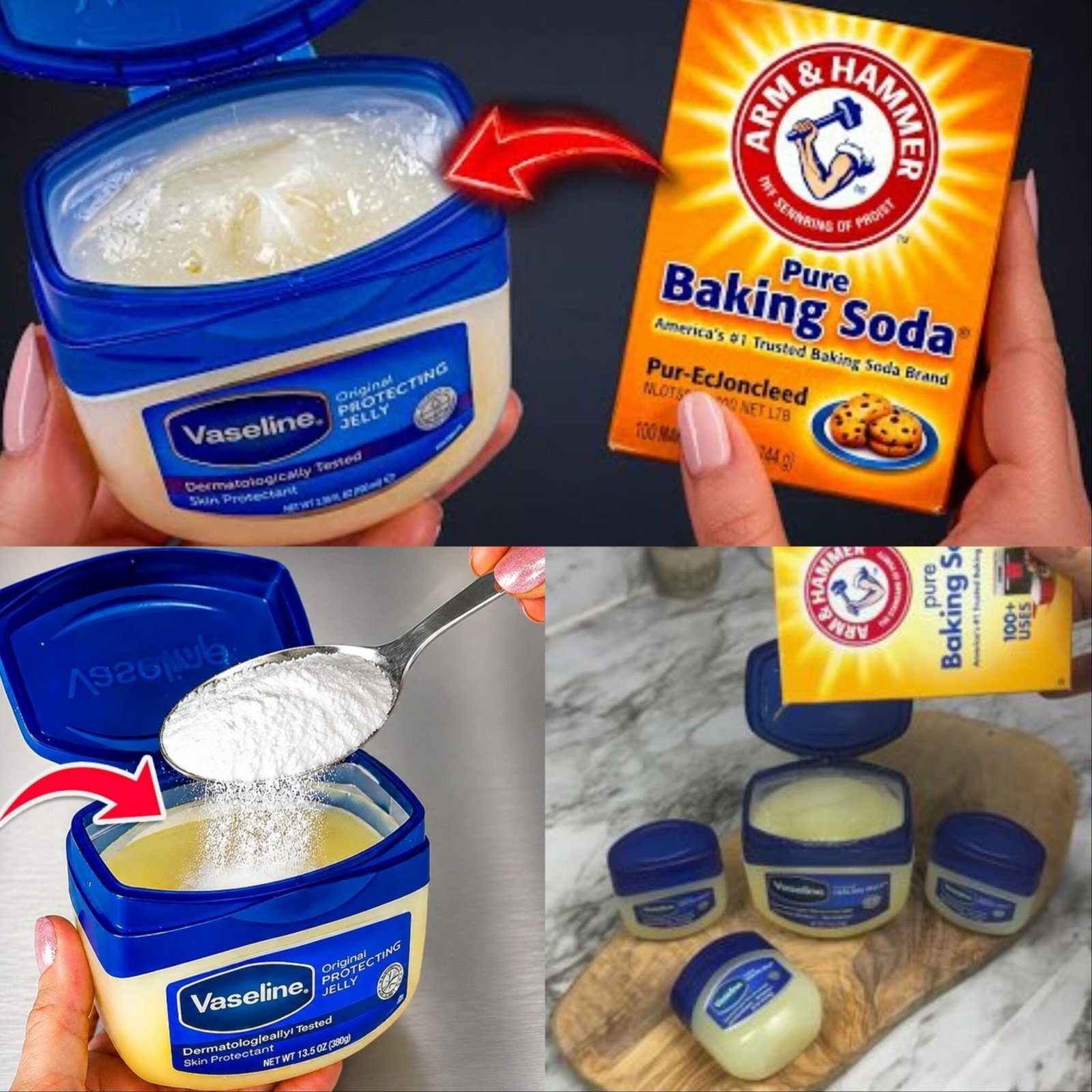
You may already have two inexpensive household staples at home: baking soda in the kitchen and Vaseline (petroleum jelly) in the bathroom cabinet.
Used separately, both can be useful. Baking soda is mildly abrasive and can help with certain cleaning tasks, while petroleum jelly forms a protective barrier that helps reduce moisture loss from the skin.
But does mixing them together create a miracle beauty treatment?
Not exactly. The combination can be useful for a few simple purposes, but it should be used carefully—especially on sensitive skin.
Why Mix Baking Soda With Vaseline?
Baking soda can provide mild physical exfoliation because of its fine texture. Petroleum jelly, on the other hand, is an occlusive moisturizer that helps seal moisture into the outer layer of the skin.
Together, they create a thick paste that can be used for limited external applications.
However, baking soda is alkaline and can irritate or dry some people’s skin. More is not necessarily better, so gentle use is important.
1. For Rough Elbows, Knees, and Feet
Dry areas such as elbows, knees, and the bottoms of the feet can sometimes benefit from gentle exfoliation followed by moisturizing.
Simple mixture:
- 1 teaspoon baking soda
- 1 teaspoon Vaseline
Mix until you have a smooth paste.
Apply a small amount to rough, intact skin and massage very gently for a short time. Rinse thoroughly and apply plain moisturizer afterward if needed.
Don’t scrub aggressively. Excessive friction can cause irritation and make dry skin worse.
2. For Dry, Rough Heels
Petroleum jelly is particularly useful for very dry skin because it helps reduce water loss.
For rough heels, you can apply a small amount of plain Vaseline directly to clean, slightly damp feet before bed. Cotton socks can help keep the product in place overnight.
If you want to use baking soda, keep the amount small and avoid vigorous scrubbing.
If your heels are deeply cracked, bleeding, painful, or showing signs of infection, skip the mixture and seek appropriate medical advice.
3. For Removing Stubborn Dirt From Hands
Baking soda’s mild abrasiveness can help loosen certain types of dirt.
A tiny amount mixed with petroleum jelly may make a thick paste, but Vaseline can also leave a greasy residue. For everyday hand cleaning, ordinary soap and water are generally a better choice.
After washing, petroleum jelly can be applied separately to dry hands to help protect the skin barrier.
4. Be Careful With Lips
You may see DIY recipes recommending baking soda and Vaseline as a lip scrub.
This isn’t necessary for healthy lips.
Baking soda can be irritating, particularly if your lips are dry, cracked, inflamed, or sensitive. Instead, apply a thin layer of plain petroleum jelly to dry lips to help protect and moisturize them.
Avoid putting baking soda on cracked or irritated lips.
5. Household Cleaning
Baking soda can be useful as a mild abrasive for certain household cleaning jobs.
However, mixing it with Vaseline isn’t automatically better. Petroleum jelly is greasy and can leave a film on surfaces, so it may make cleaning more difficult.
For household cleaning, baking soda mixed with water is often more practical. Always test any homemade cleaner on a small, inconspicuous area first.
How to Make a Small Batch
If you still want to try the combination on intact, rough skin:
Ingredients:
- 1 teaspoon baking soda
- 1 teaspoon Vaseline
Directions:
- Mix the ingredients in a clean container.
- Apply a very small amount to the intended area.
- Massage gently—never scrub aggressively.
- Rinse thoroughly.
- Stop immediately if burning, redness, itching, or irritation develops.
It’s best to make only a small amount rather than storing a homemade mixture for a long time.
Important Safety Tips
Keep these precautions in mind:
- Patch-test first on a small area of intact skin.
- Don’t use it on cuts, wounds, burns, rashes, or infected skin.
- Avoid the eyes and other sensitive areas.
- Don’t use baking soda on irritated or cracked lips.
- Don’t scrub hard or use the mixture too frequently.
- Stop using it if your skin becomes red, painful, itchy, or irritated.
- Keep the mixture away from children and pets.
- This mixture is for external use only.
People with very sensitive skin or certain skin conditions may be better off avoiding DIY baking-soda treatments altogether.
What About “Instant” Whitening or Anti-Aging Claims?
Be cautious of social-media recipes claiming that baking soda and Vaseline can dramatically whiten skin, remove wrinkles, erase dark spots, or treat skin diseases.
There isn’t good evidence that this simple mixture can provide those results.
Baking soda can temporarily make skin feel smoother because of its abrasive texture, while petroleum jelly can make dry skin appear softer by reducing moisture loss. That’s very different from treating pigmentation, wrinkles, or a medical skin condition.
The Bottom Line
Baking soda and Vaseline are inexpensive household products with legitimate uses, but mixing them together isn’t a miracle beauty treatment.
For rough, intact areas such as elbows, knees, or feet, a small amount may be used cautiously. However, plain petroleum jelly is often the gentler choice for protecting dry skin, while baking soda is better reserved for appropriate cleaning or limited exfoliation.
When it comes to skincare, simple and gentle is usually better than aggressive DIY treatments.
Your skin doesn’t need a complicated recipe—it needs the right care for its specific needs.
Disclaimer: This article is for educational purposes only and is not a substitute for professional medical or dermatological advice. If you have persistent, painful, cracked, or irritated skin, consult a qualified healthcare professional.