7 Warning Signs of Vitamin B12 Deficiency You Shouldn’t Ignore
7 Warning Signs of Vitamin B12 Deficiency You Shouldn’t Ignore
Vitamin B12 is a small but essential nutrient that plays a major role in keeping your body functioning properly. It helps produce healthy red blood cells, supports normal nerve function, and is involved in DNA production.
Because the body cannot produce vitamin B12 on its own, we need to obtain it through food or supplements. However, a deficiency can develop gradually, and the early symptoms may be easy to mistake for stress, lack of sleep, or simply getting older.
Recognizing the possible warning signs can help you seek appropriate testing and treatment before a deficiency becomes more serious.
Why Is Vitamin B12 So Important?
Vitamin B12 is essential for several important processes in the body. It helps maintain healthy blood cells and supports the nervous system. It is also involved in DNA synthesis and normal cellular metabolism.
When B12 levels become too low, problems can develop in the blood and nervous system. Some people experience only mild symptoms at first, while others may develop more noticeable changes.
Here are seven possible warning signs to know.
1. Persistent Tiredness
Feeling tired from time to time is normal, but persistent fatigue can sometimes be associated with vitamin B12 deficiency.
B12 is needed to produce healthy red blood cells. If a deficiency contributes to anemia, the blood may not carry oxygen as efficiently, potentially resulting in tiredness, weakness, and reduced stamina.
If you regularly feel exhausted despite getting adequate sleep and rest, don’t automatically assume you simply need more rest. Persistent fatigue deserves medical evaluation because it can have many different causes.
2. Weakness or Reduced Energy
Unexplained weakness can also occur with B12 deficiency.
You may notice that everyday activities suddenly feel more difficult or that you have less energy than usual.
However, weakness is not specific to vitamin B12 deficiency. Sleep problems, infections, other nutritional deficiencies, medications, anemia, and numerous medical conditions can cause similar symptoms.
If your energy level has changed significantly without an obvious explanation, consider discussing it with a healthcare professional.
3. Dizziness or Shortness of Breath
When B12 deficiency causes anemia, some people may experience dizziness, weakness, or shortness of breath—particularly during physical activity.
These symptoms should not automatically be blamed on low B12, however. Shortness of breath can also be associated with heart or lung conditions and other health problems.
New, persistent, severe, or worsening shortness of breath should be medically evaluated.
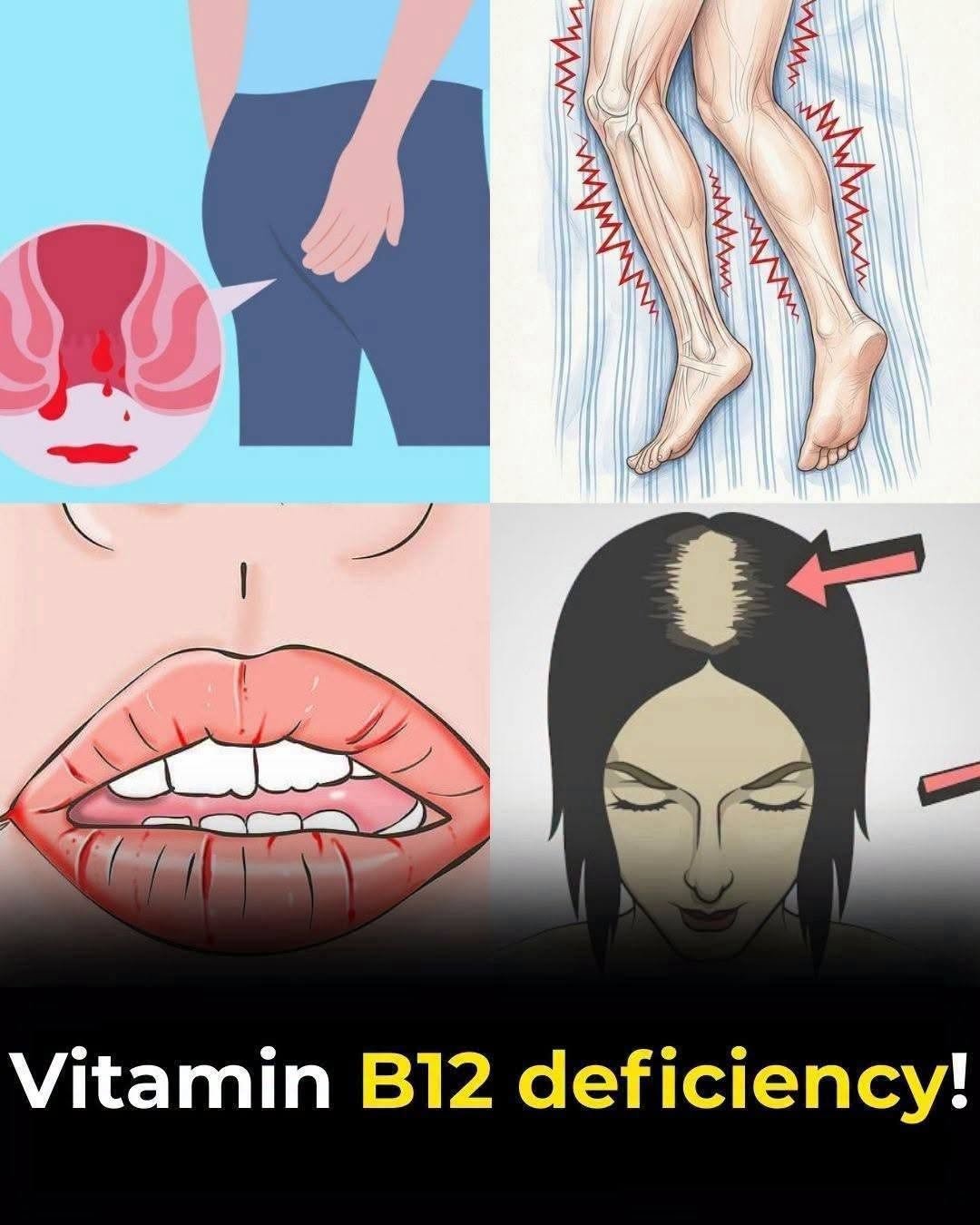
4. Tingling or Numbness in the Hands or Feet
One of the more important symptoms associated with B12 deficiency involves the nervous system.
Some people develop:
- Tingling or “pins and needles”
- Numbness
- Burning sensations
- Unusual sensations in the hands or feet
Vitamin B12 is important for normal nerve function, and prolonged deficiency can potentially cause neurological problems.
Because nerve-related symptoms can have many causes, unexplained numbness or tingling should be discussed with a healthcare professional rather than self-diagnosed.
5. Difficulty Concentrating or Mental Changes
Some people with low B12 levels report difficulty concentrating, forgetfulness, reduced mental clarity, or slower thinking.
These symptoms can be concerning, but they are not unique to B12 deficiency. Poor sleep, stress, depression, certain medications, thyroid problems, and other nutritional deficiencies can produce similar changes.
If problems with memory, concentration, or thinking persist or interfere with everyday activities, medical evaluation can help identify the underlying cause.
6. Changes in the Mouth or Tongue
Vitamin B12 deficiency can sometimes cause noticeable changes in the mouth.
Possible symptoms include:
- A sore tongue
- A smooth or unusually red tongue
- Mouth discomfort
- Changes in taste
These symptoms can also occur because of infections, allergies, medications, iron deficiency, folate deficiency, or other conditions.
Persistent mouth or tongue changes should therefore be evaluated rather than assumed to be caused by B12 deficiency.
7. Pale or Slightly Yellowish Skin
Changes in skin color may occur when vitamin B12 deficiency contributes to certain types of anemia.
Some people may appear unusually pale. In some cases, the skin can develop a slightly yellowish appearance.
However, changes in skin color have many possible causes. Jaundice, for example, can be associated with liver, gallbladder, or other medical problems and should not be self-diagnosed.
Who Is More Likely to Develop Vitamin B12 Deficiency?
Some people have a greater risk of developing low B12 levels, including:
- People following vegan diets without reliable sources of fortified B12
- Some vegetarians
- Older adults
- People with certain digestive or absorption disorders
- People who have undergone certain gastrointestinal surgeries
- People taking medications that can interfere with B12 absorption
- People with conditions affecting the stomach or small intestine
Having a risk factor does not necessarily mean you are deficient. Your individual health history and diet are important.
Where Can You Get Vitamin B12?
Vitamin B12 is naturally found primarily in animal-based foods.
Good sources include:
- Beef and other meats
- Fish and seafood
- Eggs
- Milk and other dairy products
- B12-fortified breakfast cereals
- Fortified plant-based beverages
For people who avoid animal products, fortified foods and appropriately chosen vitamin B12 supplements can provide important sources of the nutrient.
Can Vitamin B12 Deficiency Be Treated?
In many cases, vitamin B12 deficiency can be treated effectively once the underlying cause is identified.
Depending on the reason for the deficiency and its severity, treatment may include:
- Dietary changes
- Oral vitamin B12 supplements
- Vitamin B12 injections
If the problem is caused by poor absorption rather than simply inadequate dietary intake, changing your diet alone may not correct the deficiency.
That’s why identifying the cause is an important part of treatment.
How Is Vitamin B12 Deficiency Diagnosed?
Symptoms alone cannot reliably diagnose vitamin B12 deficiency because many of them overlap with other medical conditions.
A healthcare professional may recommend blood testing to evaluate vitamin B12 status and related blood findings, depending on your symptoms and medical history.
If you have persistent fatigue, unexplained numbness or tingling, significant changes in concentration, or other concerning symptoms, professional evaluation is a better approach than trying to diagnose yourself from symptoms alone.
When Should You Seek Medical Attention?
Don’t ignore symptoms that are persistent, worsening, or affecting your daily life.
In particular, unexplained neurological symptoms such as numbness, tingling, balance problems, or significant changes in thinking deserve medical attention.
Severe shortness of breath, chest pain, fainting, sudden weakness, or other serious or rapidly developing symptoms require prompt medical evaluation.
Final Thoughts
Vitamin B12 is needed in relatively small amounts, but it plays an important role in maintaining healthy blood cells, normal nerve function, and DNA production.
Persistent fatigue, weakness, dizziness, mouth changes, difficulty concentrating, or numbness and tingling can have many possible causes. Vitamin B12 deficiency is one possibility, particularly for people with certain dietary or medical risk factors.
The good news is that B12 deficiency can often be identified through appropriate testing and treated once the underlying cause is understood.
If you recognize several of these symptoms, don’t assume that you have a vitamin B12 deficiency based on an online article. Instead, consider discussing your symptoms, diet, medications, and risk factors with a qualified healthcare professional.
Your symptoms are worth listening to—but proper testing is the best way to find out what’s really going on.
Disclaimer: This article is for educational purposes only and is not a substitute for professional medical advice, diagnosis, or treatment.