7 Signs Your Body May Be Low in Vitamin D: What to Watch For and How to Support Healthy Levels Naturally
7 Signs Your Body May Be Low in Vitamin D: What to Watch For and How to Support Healthy Levels Naturally
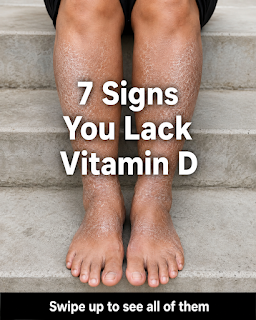
7 Signs Your Body May Be Low in Vitamin D
Vitamin D is best known for supporting strong bones, but its role extends far beyond the skeleton. Often referred to as the “sunshine vitamin,” it functions like a hormone, helping regulate bone strength, muscle performance, immune function, and many other essential processes throughout the body.
Because vitamin D deficiency often develops gradually, the warning signs can be subtle and easily mistaken for everyday fatigue or aging. While these symptoms can have many possible causes, recognizing them may help you decide whether it’s worth discussing vitamin D testing with your healthcare provider.
Let’s explore seven common signs that may be associated with low vitamin D levels.
1. Frequent Bone Discomfort or Lower Back Pain
One of vitamin D’s primary jobs is helping the body absorb calcium, an essential mineral for maintaining healthy bones.
When vitamin D levels are low, some people may experience:
- Persistent lower back discomfort
- Aching bones
- Joint discomfort
- A general feeling of reduced bone strength
These symptoms are not specific to vitamin D deficiency, but low levels may contribute to them in certain individuals.
2. Low Mood or Feeling Less Motivated
Researchers continue studying the relationship between vitamin D and brain health.
Some people with low vitamin D levels report experiencing:
- Low energy
- Reduced motivation
- Feeling emotionally drained
- Difficulty maintaining a positive mood
Because emotional well-being is influenced by many factors, it’s important to seek professional evaluation rather than assuming vitamin D is the cause.
3. Ongoing Fatigue Despite Getting Enough Sleep
Do you still feel tired even after a full night’s rest?
Vitamin D supports normal muscle function and energy metabolism. When levels are insufficient, some people notice:
- Persistent tiredness
- Feeling physically sluggish
- Reduced daily productivity
- Less endurance during physical activity
If fatigue continues for an extended period, discussing it with your healthcare provider can help identify the underlying cause.
4. Slow Healing of Minor Cuts or Scrapes
Your body relies on many nutrients to support its natural skin repair process.
Some research suggests that inadequate vitamin D may be associated with slower tissue recovery in certain people.
If small cuts or scrapes seem to take longer than usual to heal, it’s worth mentioning this to a healthcare professional, especially if it occurs alongside other symptoms.
5. Increased Hair Shedding
Hair thinning can happen for many reasons, including:
- Stress
- Hormonal changes
- Nutritional deficiencies
- Genetics
- Certain medical conditions
Scientists are also investigating whether vitamin D may play a role in supporting healthy hair follicles. While low vitamin D is not the only possible explanation, it may be one factor worth evaluating.
6. Getting Sick More Often
Vitamin D contributes to the normal function of the immune system.
When levels are low, some individuals may notice:
- More frequent colds
- Recurring respiratory infections
- Longer recovery after common illnesses
Maintaining adequate vitamin D levels is one part of supporting a healthy immune response alongside balanced nutrition, regular sleep, and physical activity.
7. Muscle Weakness or Frequent Cramps
Healthy muscles also depend on sufficient vitamin D.
Possible signs that may accompany low levels include:
- Weakness in the legs
- Difficulty climbing stairs
- Nighttime muscle cramps
- Muscles that tire more quickly than usual
Since muscle weakness has many possible causes, medical evaluation is recommended if symptoms persist.
Simple Ways to Support Healthy Vitamin D Levels
Healthy daily habits may help maintain adequate vitamin D levels.
Enjoy Safe Sun Exposure
Moderate sunlight exposure allows your skin to naturally produce vitamin D. The amount needed varies depending on your skin tone, location, season, and lifestyle, so follow recommendations appropriate for your situation while protecting your skin from excessive sun exposure.
Include Vitamin D-Rich Foods
Good dietary sources include:
- Fatty fish such as salmon, sardines, and tuna
- Egg yolks
- UV-exposed mushrooms
- Fortified dairy products and plant-based alternatives
- Fortified breakfast cereals
Pair Vitamin D With Healthy Fats
Vitamin D is a fat-soluble vitamin, meaning your body absorbs it more efficiently when eaten with healthy fats such as:
- Avocados
- Olive oil
- Nuts and seeds
- Omega-3-rich fish
Consider Supplements if Recommended
Some people may benefit from vitamin D supplements, particularly those with limited sun exposure or certain medical conditions. Supplements should be used according to the advice of a qualified healthcare professional, who may recommend a blood test before treatment.
When Should You Talk to a Healthcare Provider?
Many signs associated with vitamin D deficiency are common and can result from numerous other health conditions.
If you experience several of these symptoms consistently—especially ongoing fatigue, muscle weakness, recurring infections, or persistent bone discomfort—it may be worthwhile to discuss them with your healthcare provider.
A simple blood test can determine whether your vitamin D level is within the recommended range and help guide appropriate care.
Final Thoughts
Vitamin D plays an important role in supporting bone strength, muscle function, immune health, and overall well-being. Because low vitamin D levels often develop gradually, paying attention to persistent symptoms may help you recognize when it’s time to seek medical advice.
Maintaining a balanced diet, enjoying appropriate sun exposure, staying physically active, and following your healthcare provider’s recommendations are practical steps that can help support healthy vitamin D levels over the long term.
Disclaimer: This article is for educational purposes only and should not be considered medical advice. Always consult a qualified healthcare professional regarding symptoms, diagnosis, testing, or treatment.