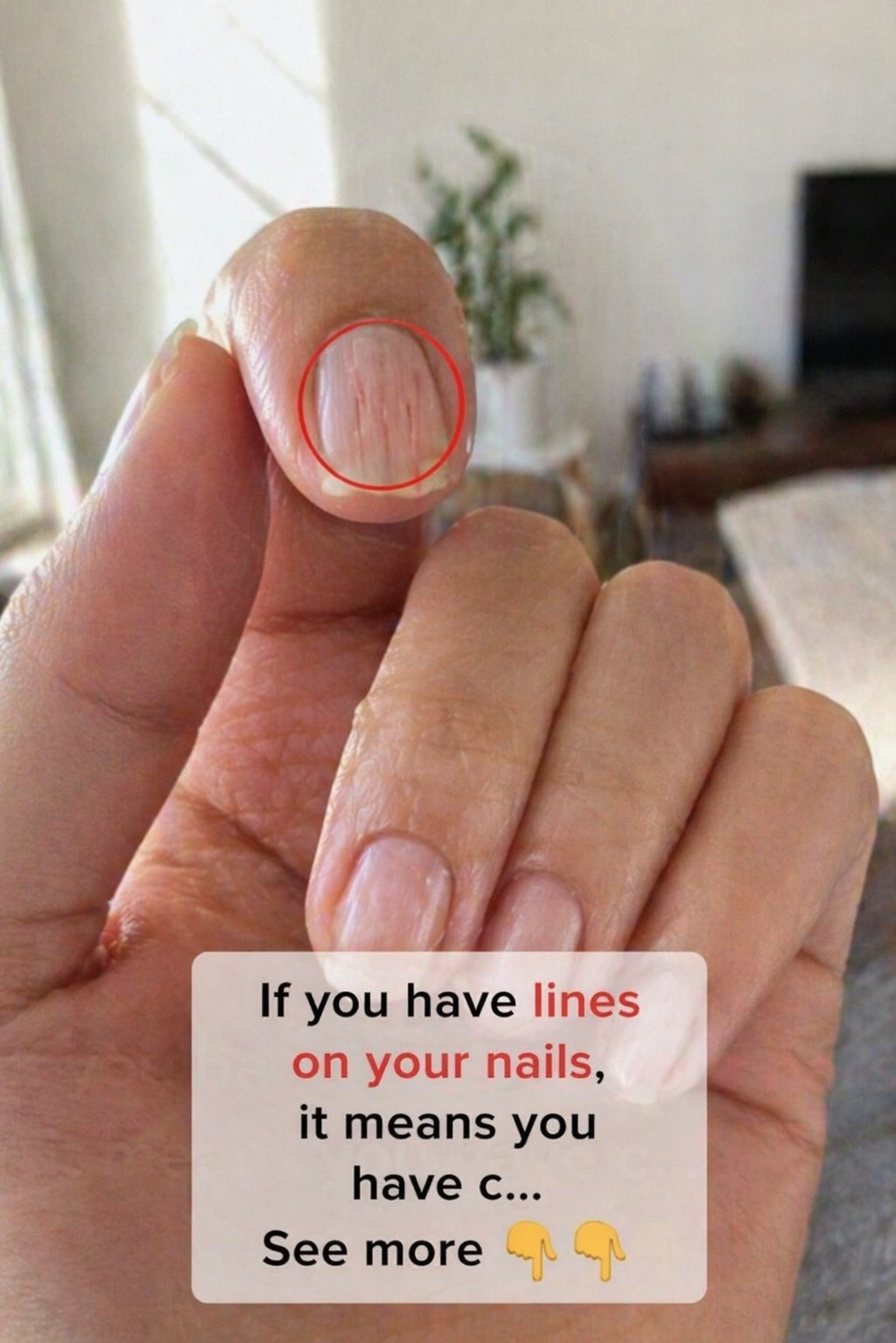
You pick up your phone or shake someone’s hand and suddenly notice them – those thin lines running across or down your fingernails. It can feel a bit worrying, especially if your nails used to look smooth and healthy. These ridges don’t just affect how your hands look; they can sometimes reflect what’s happening with your nutrition, hydration, or even recent stresses on your body. The truth is, your nails are like tiny windows into your overall wellness, and paying attention to changes in their texture is a smart way to stay in tune with your health.
But here’s what most people don’t realize until they look closer: not all nail lines are the same, and understanding the difference between vertical ridges and horizontal lines can give you helpful clues. Stick around until the end, where I’ll share practical, everyday habits that can support stronger, healthier-looking nails naturally.
What Exactly Are Nail Ridges?
Nail ridges are those raised or grooved lines that appear on the surface of your fingernails or toenails. They come in two main types: vertical (running from the base to the tip) and horizontal (running side to side).
While some ridges develop gradually with age, others can pop up more suddenly. The good news? Many common types are completely benign. However, certain patterns deserve a closer look.
Vertical Ridges on Nails: The Most Common Type
Vertical ridges, also called longitudinal striations, run lengthwise down the nail. If you’ve noticed these as you’ve gotten older, you’re not alone.
According to health experts at Cleveland Clinic, these lines are often linked to the natural aging process. Just like wrinkles on your skin, vertical ridges become more prominent over time as nail growth slows and cells change.
But that’s not the full picture. Several everyday factors can play a role too:
- Natural aging process
- Nutritional factors, such as lower levels of iron, zinc, biotin, or protein
- Dehydration and dry skin from frequent hand washing or low water intake
- Minor trauma from household chores or improper nail care
Here’s where it gets interesting: many people see these lines and worry right away when, in most cases, they’re harmless age-related changes that simply reflect how your body is adapting.
Horizontal Ridges on Nails: Beau’s Lines Explained
Horizontal ridges, often referred to as Beau’s lines, are different. They run across the width of the nail and can indicate that nail growth was temporarily interrupted at some point.
These lines are particularly fascinating because nails grow slowly – about 3 millimeters per month for fingernails. That means the position of a horizontal ridge can actually serve as a timeline of past events in your body.
Common associations noted by Cleveland Clinic and other health sources include:
- Recent illness involving high fever or infection, such as a virus or respiratory issue
- Significant physical or emotional stress that diverts energy away from nail growth
- Severe nutritional shortfalls, especially in protein or zinc
- Certain chronic conditions like issues with thyroid function, diabetes management, or kidney health
- Direct injury to the nail matrix (the area under the cuticle where nails form)
The key difference? While vertical lines tend to develop gradually, horizontal ones often signal a more specific, temporary disruption.
Vertical vs. Horizontal Nail Ridges: Quick Comparison
- Vertical Ridges: Run from base to tip; commonly tied to aging, ongoing dryness, or daily nutrition habits.
- Horizontal Ridges (Beau’s Lines): Run side to side; usually linked to a past event like illness or stress.
- What to Watch For: Sudden appearance on multiple nails or changes in color/texture that feel different from your usual pattern.
Dark Streaks or Colored Lines on Nails
Another type worth noting is dark vertical lines – brown or black streaks. These can result from minor trauma causing blood under the nail, or sometimes from fungal concerns.
In rarer cases, a single dark line that widens, changes shape, or spreads to the surrounding skin may need professional evaluation. Health experts recommend monitoring any new pigmentation carefully because early awareness matters.
But here’s the part many people miss: most dark lines are benign, especially if they stay the same and don’t grow.
Simple Habits to Support Healthier Nails
The great news is that you can take proactive steps right now to nurture your nails from the inside and outside. Here are some practical tips you can start today:
- Focus on nutrition: Include foods rich in biotin (eggs, almonds, sweet potatoes), zinc (pumpkin seeds, chickpeas), iron (leafy greens, lean meats), and protein for overall support.
- Stay hydrated: Aim for at least eight glasses of water daily to keep nails flexible and less prone to cracking or ridging.
- Moisturize regularly: Apply a good hand cream and cuticle oil every day, especially after washing your hands.
- Protect your nails: Wear gloves when doing dishes, cleaning, or handling chemicals to reduce trauma.
- Gentle care routine: Trim nails straight across, avoid aggressive filing, and never pick at your cuticles.
- Manage daily stress: Short walks, deep breathing, or consistent sleep can help your body stay balanced.
But wait – there’s one more powerful approach many overlook: consistency. Small daily choices compound over weeks as new nail grows from the base, often leading to smoother, stronger results.
When Should You Pay Closer Attention to Nail Changes?
Most nail ridges are nothing to stress over. However, if lines appear suddenly, are accompanied by other symptoms like brittleness, splitting, discoloration, or changes across multiple nails, it might be worth discussing with your doctor.
A healthcare provider can offer personalized guidance through simple checks and help you understand what’s normal for your body.
FAQ About Nail Ridges and Lines
Are vertical ridges on nails always a cause for concern?
No. Vertical ridges are very common, especially as we age, and are typically harmless. They often relate to natural changes or minor lifestyle factors rather than anything serious.
What do horizontal lines across nails usually mean?
Horizontal ridges (Beau’s lines) often indicate that the body experienced a temporary disruption, such as illness, stress, or a nutritional challenge in the recent past. The line gradually grows out as the nail lengthens.
Can I make ridges on my nails disappear?
You can’t instantly erase existing ridges since they’re part of the nail plate that’s already formed. However, supporting new nail growth through good nutrition, hydration, and gentle care can lead to smoother new growth over time.
Your nails can offer subtle hints about your body’s needs – from better hydration to nutrient balance. By understanding what those vertical ridges and horizontal lines might mean, you’re already taking a positive step toward better self-care. Listen to your body, make small consistent changes, and don’t hesitate to seek professional guidance when something feels off.
Disclaimer: This article is for informational and educational purposes only. It is not intended to diagnose, treat, or provide medical advice. Always consult with a qualified healthcare professional regarding any concerns about your nails or health.