What Happens After Gallbladder Removal? 3 Digestive Problems You Should Know
What Happens After Gallbladder Removal? 3 Digestive Problems You Should Know
- Gallbladder removal, medically known as a cholecystectomy, is one of the most common abdominal surgeries. Doctors may recommend the procedure when gallstones or gallbladder disease cause repeated pain, inflammation, infection, or other complications.
- For most people, life after gallbladder surgery is completely manageable. The liver continues producing bile, and the digestive system can adapt to functioning without the gallbladder.
- However, some people experience digestive symptoms after surgery. These may include diarrhea, bloating, abdominal discomfort, nausea, or difficulty tolerating particularly fatty meals.
- Understanding these possible changes can help you know what is normal during recovery—and when persistent symptoms deserve medical attention.
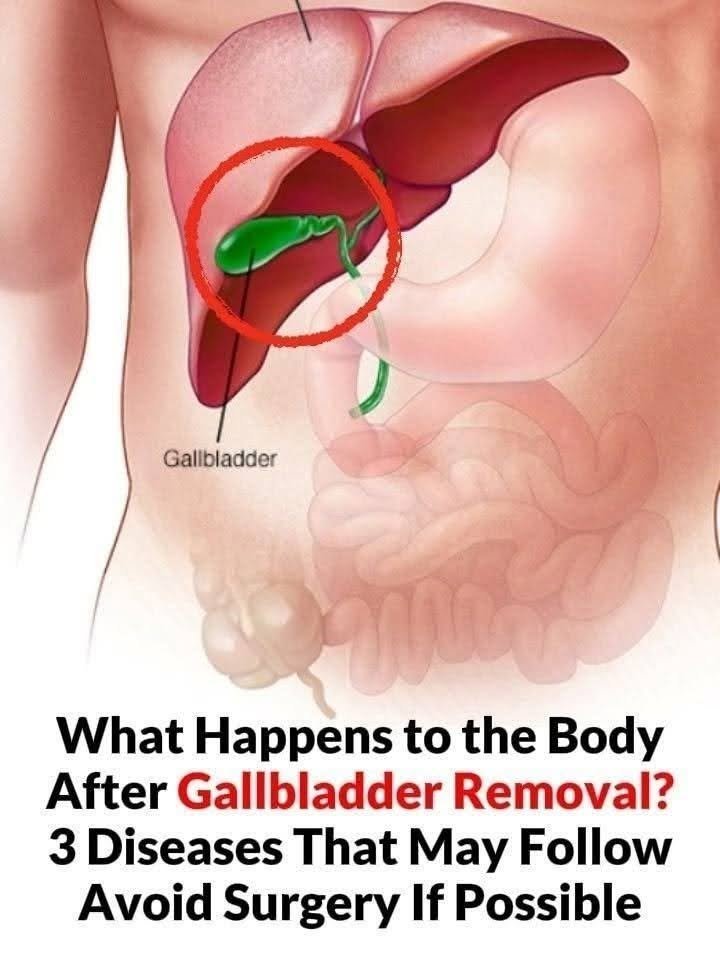
What Does the Gallbladder Actually Do?
The liver continuously produces bile, a digestive fluid that helps the body digest and absorb dietary fats.
- The gallbladder acts primarily as a storage reservoir for bile.
- Between meals, bile is stored and concentrated inside the gallbladder. When you eat, especially a meal containing fat, the gallbladder contracts and releases bile into the small intestine.
- The important point is that your liver does not stop producing bile when the gallbladder is removed.
- Instead, bile flows more continuously from the liver through the bile ducts and into the small intestine.
- For most people, the digestive system adjusts to this change without major long-term problems.
Why Is Gallbladder Removal Sometimes Necessary?
Gallbladder surgery is commonly performed because of symptomatic gallstones and complications such as gallbladder inflammation.
Depending on the circumstances, doctors may recommend surgery for conditions such as:
- Recurrent painful gallstones
- Acute or chronic cholecystitis
- Gallstone-related complications
- Certain gallbladder polyps or other abnormalities
- Gallstone pancreatitis in appropriate cases
Not everyone with gallstones needs surgery.
- Some gallstones cause no symptoms and may simply be monitored. But when gallstones repeatedly cause significant symptoms or complications, delaying recommended treatment can sometimes create additional health risks.
- That’s why claims that everyone should “avoid gallbladder surgery whenever possible” are misleading.
- The right decision depends on the individual’s diagnosis, symptoms, medical history, and risks.
What Happens Immediately After Gallbladder Removal?
During the first days or weeks following surgery, some people experience temporary digestive changes.
These may include:
- Loose stools
- Diarrhea
- Bloating
- Gas
- Abdominal discomfort
- Nausea
- Indigestion
- Difficulty tolerating very fatty meals
For many patients, these symptoms gradually improve as the digestive system adapts.
Eating smaller meals and temporarily reducing very high-fat foods may make the recovery period more comfortable.
However, persistent or severe symptoms shouldn’t automatically be blamed on the surgery.