Waking Up with a Damp Pillow? What Nighttime Drooling Might Say About Your Sleep Quality
Waking Up with a Damp Pillow? What Nighttime Drooling Might Say About Your Sleep Quality
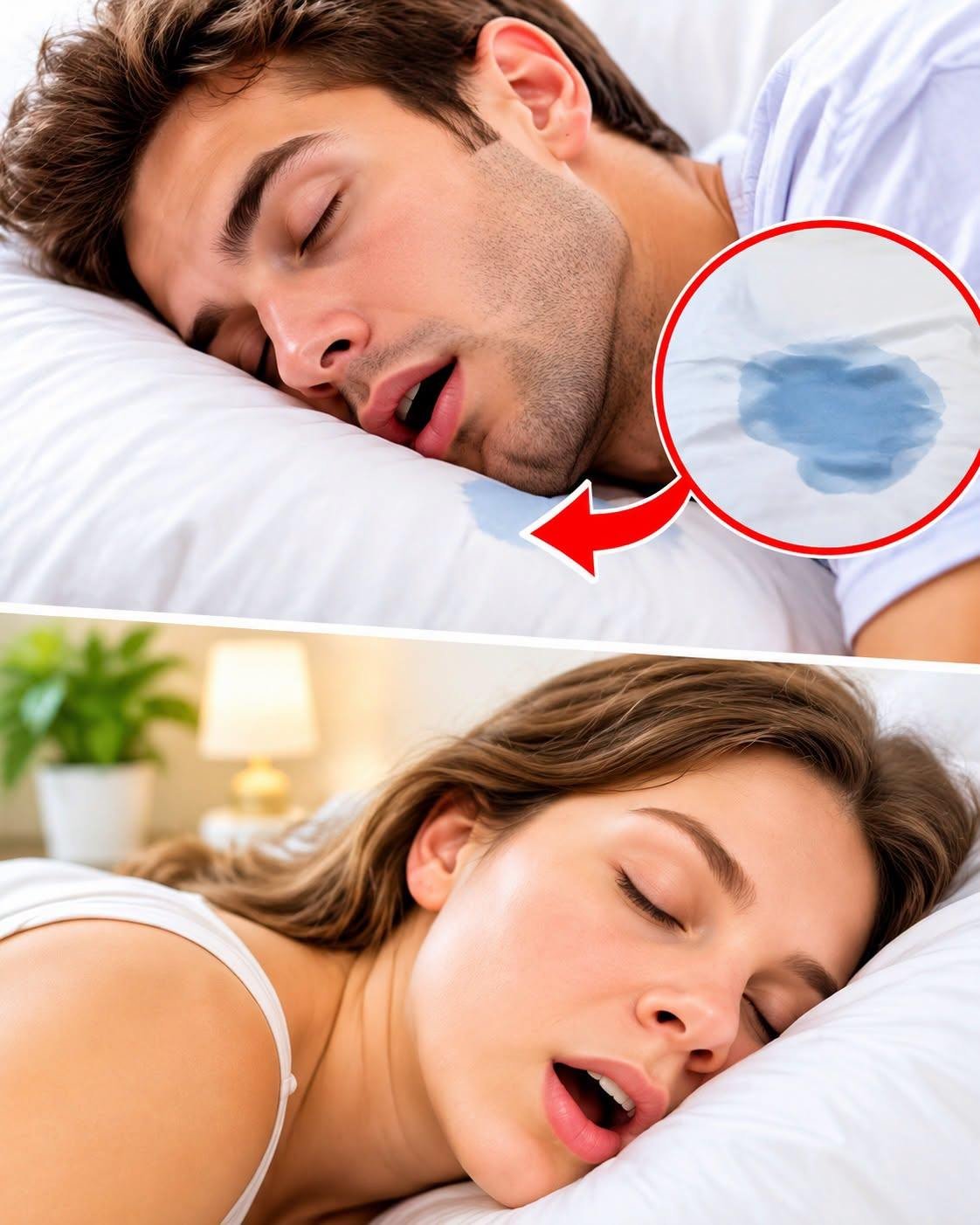
In most cases, nighttime drooling is completely harmless—often coming down to simple sleeping positions or temporary seasonal congestion. Occasionally, however, persistent excess saliva during rest can serve as a subtle indicator of nasal airway mechanics, oral habits, or underlying sleep patterns.
Common Everyday Causes of Nighttime Drooling
Understanding why saliva escapes during sleep usually starts with basic anatomy and daily factors:
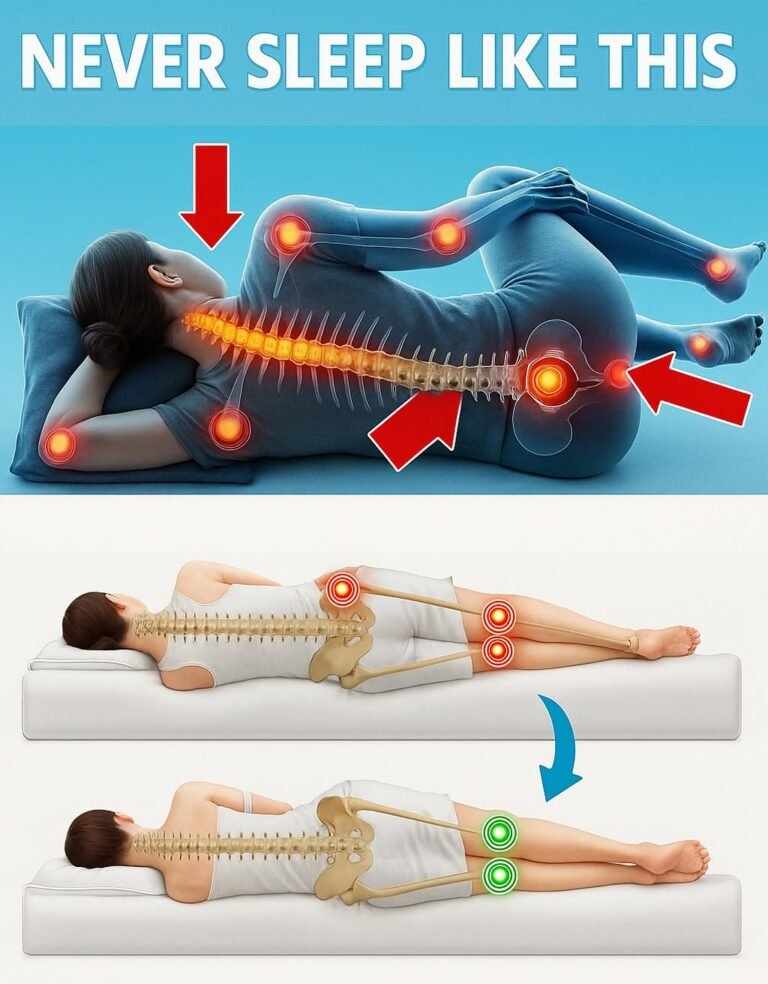
Sleep Posture: Gravity plays a major role. Sleeping on your stomach or side naturally allows accumulated saliva to slip past relaxed lips, whereas sleeping on your back encourages automatic swallowing.
Mouth Breathing and Nasal Blockages: When seasonal allergies, a cold, or a deviated nasal septum restrict nasal airflow, the body naturally opens the mouth to breathe. Air passing through the oral cavity stimulates salivary flow while making it easier for moisture to leak out.
Certain Medications: Various prescription compounds—including certain sedatives, pain relievers, or nerve-related therapies—can stimulate salivary glands as a secondary effect.
Dental Considerations: Mouthguards, retainers, teeth grinding (bruxism), or mild gum sensitivity can activate a natural salivary reflex during the night.
Acid Reflux: When stomach acids drift upward during rest, the body often produces extra saliva as a protective mechanism to help neutralize acidity and coat the esophagus.
When Nighttime Drooling Deserves a Closer Look
While occasional morning dampness is rarely a cause for concern, consistent or heavy drooling paired with specific sleep cues may suggest an underlying issue:
Obstructive Sleep Patterns: If drooling coincides with loud snoring, morning dry mouth, gasping during the night, or lingering daytime exhaustion, it may point toward obstructive sleep apnea, where airway blockages force chronic mouth breathing.
Motor and Neurological Control: Regular swallowing requires coordinated muscle control. Conditions affecting nerve pathways or significant vitamin B deficiencies can occasionally manifest as daytime or nighttime drooling due to reduced swallowing frequency.
Persistent Swallowing Discomfort: Any difficulty swallowing food or liquid during waking hours warrants professional medical review.
Gentle, Practical Ways to Encourage Restful Sleep
For everyday drooling, small lifestyle and bedtime adjustments often make a noticeable difference:
Adjust Your Sleep Angle: Try transitioning to sleeping on your back, or use a contoured cervical pillow to keep your head slightly elevated and your jaw supported.
Clear Nasal Passages Before Bed: Use a warm saline rinse, take a warm shower, or run a cool-mist bedroom humidifier to help keep nasal airways clear and discourage mouth breathing.
Stay Evenly Hydrated: Drinking enough water throughout the day keeps saliva at an optimal consistency, preventing thick, uncomfortable secretions.
Support Sleep Hygiene: Avoid heavy, acidic, or late-night meals close to bedtime to minimize nighttime acid reflux and the excess salivation it can trigger.
When to Consult a Healthcare Provider
A medical evaluation is always recommended if nighttime drooling:
Appears suddenly without changes in sleep routine or environment
Is accompanied by frequent morning headaches, brain fog, or chronic fatigue
Coexists with speech changes, persistent jaw tenderness, or difficulty swallowing during the day
Paying attention to subtle nightly habits helps you optimize your bedroom environment, breathe more easily, and enjoy deeper, more refreshing sleep.