Aloe Vera and Honey: Natural Remedies for Wellness — What Does Science Really Say?
Aloe Vera and Honey: Natural Remedies for Wellness — What Does Science Really Say?
Claims such as “Say goodbye to cancer and high blood sugar with this natural remedy” are widely shared online. Aloe vera and honey are two popular natural ingredients that have been used traditionally for generations.
But can this combination really treat serious diseases?
The answer requires separating traditional use from scientifically supported evidence. While aloe vera and honey contain interesting compounds and may have certain useful applications, neither should be considered a cure for cancer, diabetes, or other serious medical conditions.
In this article, we’ll explore the potential benefits of aloe vera and honey, what research suggests, and the important precautions you should know before using them.
🌿 What Is Aloe Vera and What Is It Used For?
Aloe vera is a succulent plant traditionally used in various cultures for skin care and other wellness purposes.
The clear gel inside the aloe leaf contains water and a variety of naturally occurring compounds. Aloe products are commonly used topically to soothe minor skin irritation and support skin moisture.
Potential Uses of Aloe Vera
Aloe vera gel may:
- Help moisturize the skin
- Provide a soothing sensation on irritated skin
- Support the healing of certain minor skin injuries
- Provide antioxidant compounds
- Be used as an ingredient in some cosmetic and skincare products
Some research has also investigated oral aloe preparations and blood glucose, particularly in people with prediabetes or diabetes. However, the evidence remains limited and inconsistent, and aloe should not replace prescribed diabetes treatment.
🍯 Potential Benefits of Honey
Honey is more than a natural sweetener. It contains various plant-derived compounds and antioxidants, depending on the floral source.
Honey has also been studied for certain medical applications, particularly in wound care.
Some Potential Benefits of Honey Include:
1. Soothing a Sore Throat
Honey can provide a soothing coating sensation and is commonly used in traditional remedies for cough and throat discomfort.
2. Antioxidant Properties
Honey contains various antioxidant compounds that contribute to its nutritional profile.
3. Wound Care
Certain medical-grade honey preparations are used in professional wound care. This should not be confused with applying ordinary kitchen honey directly to wounds.
4. Quick Source of Energy
Honey contains naturally occurring carbohydrates and sugars, which provide readily available energy.
However, honey is still high in sugar and calories, so portion size matters.
🧪 Can Aloe Vera and Honey Cure Cancer?
No.
There is currently no reliable scientific evidence showing that drinking aloe vera and honey can cure cancer.
Cancer is a complex group of diseases requiring an appropriate diagnosis and individualized treatment. Depending on the type and stage, treatment may involve surgery, chemotherapy, radiation therapy, immunotherapy, targeted therapy, hormone therapy, or other approaches.
Natural ingredients can sometimes be studied for individual compounds or supportive uses, but that is very different from proving that a homemade drink can eliminate cancer.
Never delay or replace cancer treatment with a home remedy.
🩸 Can Aloe Vera and Honey Lower Blood Sugar?
This topic requires particular caution.
Some studies have investigated whether certain oral aloe preparations could influence blood glucose levels. However, the evidence is not strong enough to consider aloe vera a diabetes treatment.
Honey presents the opposite concern: it contains substantial amounts of sugar and can raise blood glucose.
Therefore, mixing aloe vera with honey should not be promoted as a proven method for controlling diabetes.
If you have diabetes or take glucose-lowering medication, talk to your healthcare professional before regularly consuming aloe products.
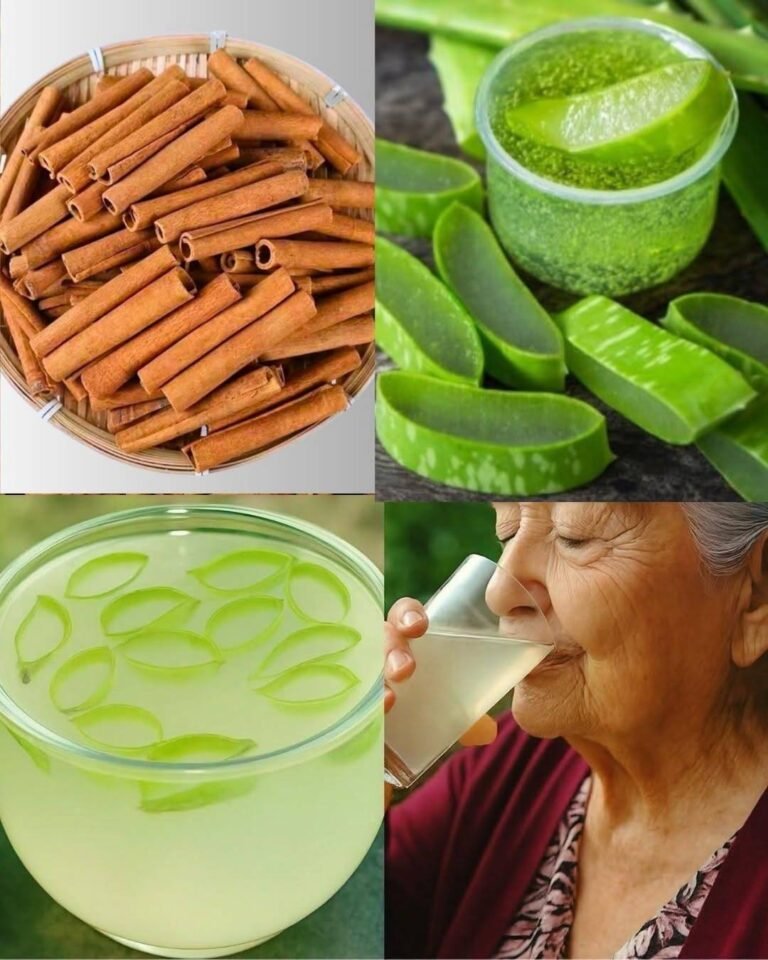
🥤 A Simple Aloe Vera and Honey Drink
If you’re interested in these ingredients as part of a general wellness routine, be particularly careful with fresh aloe vera.
The yellow latex found beneath the outer leaf contains compounds such as aloin and can cause abdominal cramps, diarrhea, and other adverse effects when consumed orally.
For this reason, do not simply blend an entire aloe leaf into a drink.
A Safer Approach
If using aloe orally, choose a commercial aloe vera product specifically labeled for oral consumption, rather than homemade preparations containing the leaf or latex.
You can then follow the manufacturer’s preparation and serving instructions.
For example, a simple beverage may contain:
- A properly prepared, food-grade aloe vera product
- Water
- A small amount of honey, if desired
- A few drops of lemon for flavor
Important
This beverage is simply a food or wellness drink. It is not a treatment for cancer, diabetes, high blood pressure, or other diseases.
⚠️ Important Aloe Vera Safety Information
Not every part of the aloe plant is suitable for consumption.
The clear inner gel is different from the yellow latex found closer to the leaf skin.
Oral aloe products may cause:
- Abdominal cramps
- Diarrhea
- Digestive discomfort
- Electrolyte disturbances with excessive or prolonged use
Aloe may also interact with certain medications.
Extra caution is appropriate if you:
- Take medication for diabetes
- Take diuretics
- Take heart medications
- Take medications that can affect potassium levels
- Are pregnant or breastfeeding
- Have kidney or other chronic health problems
When in doubt, consult a qualified healthcare professional before consuming aloe products regularly.
🍯 What About Honey and Diabetes?
Calling honey a “healthy sugar” can be misleading.
Although honey contains antioxidant compounds and may have some unique properties, it is still primarily a source of carbohydrates and sugars.
If you have diabetes, adding honey to a drink can increase the carbohydrate content and may affect blood glucose.
Instead of focusing on whether honey is “good” or “bad,” consider:
- Portion size
- Total carbohydrate intake
- Your overall diet
- Your individual blood glucose response
- Medical treatment prescribed for you
🌱 Natural Does Not Always Mean Risk-Free
One of the most important lessons about natural remedies is that natural does not automatically mean safe or effective.
Plants contain biologically active compounds. These compounds can potentially have useful effects—but they can also cause side effects or interact with medications.
The same principle applies to aloe vera and honey.
A natural ingredient can be a useful food or traditional remedy without being a medically proven treatment.
Aloe Vera vs. Honey: What Does the Evidence Suggest?
| Ingredient | Potential Uses | Important Consideration |
|---|---|---|
| Aloe vera gel | Skin moisturizing and soothing | Oral evidence is limited; preparation matters |
| Aloe latex | Historically used as a laxative | Can cause diarrhea and electrolyte problems |
| Honey | Sore-throat comfort and certain wound-care applications | High in sugar |
| Aloe + honey | Traditional wellness beverage | Not proven to cure cancer or diabetes |
🌿 How to Use Natural Remedies Responsibly
Natural ingredients can complement a healthy lifestyle, but they should not become substitutes for evidence-based medical care.
A balanced approach includes:
Eat a Nutrient-Rich Diet
Choose vegetables, fruits, whole grains, legumes, nuts, seeds, and appropriate sources of protein.
Stay Physically Active
Regular movement can support cardiovascular health, metabolic health, and overall well-being.
Get Enough Sleep
Good-quality sleep is an important part of maintaining physical and mental health.
Follow Medical Advice
If you have diabetes, cancer, hypertension, or another chronic condition, continue appropriate medical monitoring and treatment.
Be Careful With Concentrated Supplements
Natural extracts and supplements can be much more concentrated than the foods from which they are derived.
Final Thoughts
Aloe vera and honey are interesting natural ingredients with long histories of traditional use. Aloe vera may be useful in certain topical applications, while honey has recognized culinary and some medical applications.
However, claims that this combination can “cure cancer,” “eliminate diabetes,” or replace medical treatment are not supported by reliable evidence.
If you enjoy aloe vera or honey, use them thoughtfully and in appropriate forms and amounts. Most importantly, don’t allow an attractive natural-remedy claim to delay proper medical diagnosis or treatment.
Natural wellness works best when it complements—not replaces—evidence-based healthcare.