
Skin Growths and Dermatology Care 2026: Health Insurance, Preventive Screening, and Financial Planning
1. Health Insurance and Medicare Coverage for Dermatology Visits
Warts, skin tags, and other growths are common and often caused by viruses or friction. However, many skin conditions look similar, so a board-certified dermatologist should evaluate any new or changing growth.
Most PPO, HMO, and Medicare plans cover dermatology screenings and medically necessary procedures as preventive healthcare. Early evaluation helps determine the right treatment and reduces long-term medical costs.
Review your health insurance Summary of Benefits to see what dermatology services are included in 2026.
2. Dermatologist-Approved Treatments vs. Unverified Home Remedies
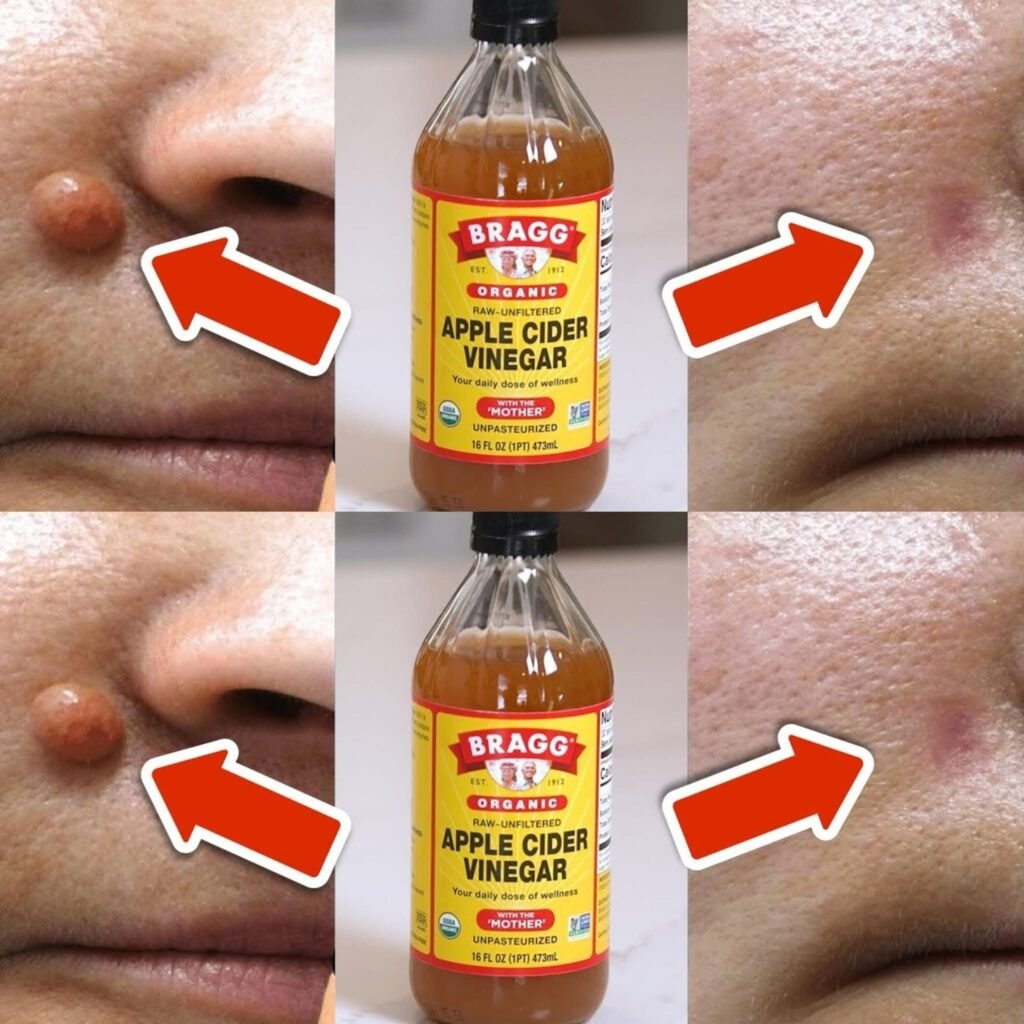
Apple cider vinegar is popular in home wellness and nutraceutical circles, but it is not an FDA-approved treatment for warts and can cause skin irritation, chemical burns, or scarring if used incorrectly.
Dermatologists use evidence-based options like cryotherapy, topical prescriptions, laser therapy, or minor procedures. The nutraceutical and skincare market includes many products, but no home item removes growths “in 24 hours” for everyone.
Always consult a licensed dermatologist before applying acids or home remedies, especially on the face or sensitive areas.
3. Medical Costs, FSA/HSA Accounts, and Financial Planning
Treatment costs vary by procedure, provider, and location. Cosmetic removal is often out-of-pocket, while medically necessary removal may be covered by health insurance or Medicare.
This is where financial planning matters. Many patients use FSA or HSA accounts for eligible dermatology expenses. Comparing top health insurance quotes and understanding your plan’s dermatology benefits can help you budget for care and avoid surprise bills.
4. Preventive Healthcare, Wellness Programs, and Skin Safety
Preventive healthcare for skin includes avoiding picking at growths, keeping skin clean, and protecting against viral transmission in shared spaces.
Many employer health insurance plans and Medicare wellness programs provide education on skin health and sun protection. Safe practices reduce the risk of irritation, infection, or scarring.
Pairing professional care with smart coverage is more effective than viral home-hack claims.
5. Final Thoughts on Medical Advice, Insurance, and Safe Skin Care
If you have a wart, mole, or other skin growth that changes in size, color, shape, or bleeds, see a dermatologist promptly.
Do not try unverified “miracle cures” at home. Use your health insurance or Medicare benefits for professional evaluation and treatment.
This information is for general awareness only and is not a substitute for medical advice. Professional dermatology care plus the right coverage is the safest path for skin health.