
Skin Care Myths vs. Dermatology 2026: Health Insurance, Wellness Programs, and Financial Planning
1. Health Insurance and Medicare Coverage for Dermatology and Skin Health
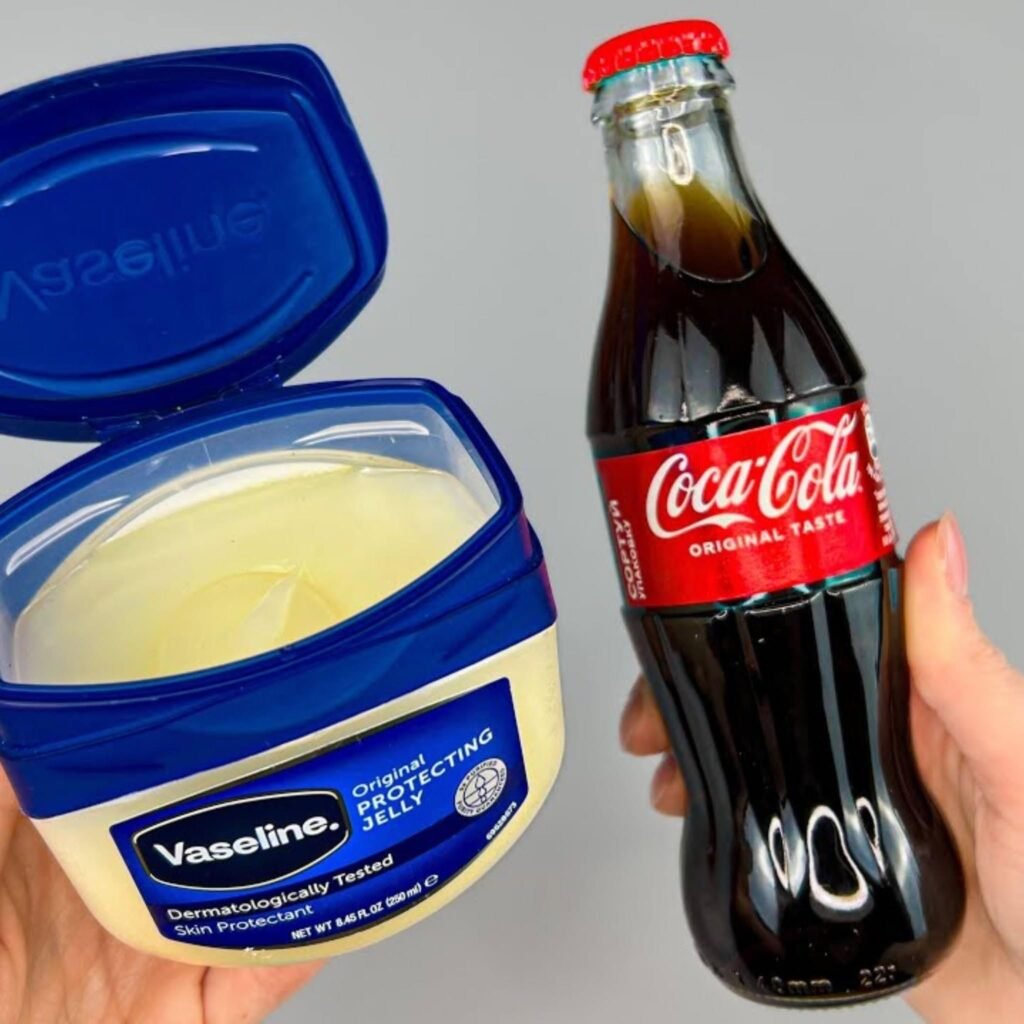
Viral social media posts often suggest mixing household items like soda and petroleum jelly for skin benefits. Dermatologists do not recommend untested mixtures for medical or cosmetic use.
Most PPO, HMO, and Medicare plans cover dermatology visits, skin screenings, and evidence-based treatments as preventive healthcare. Using covered benefits ensures you get professional guidance instead of risking irritation or infection from DIY hacks.
Check your health insurance benefits to see what dermatology services are included in 2026.
2. Dermatology, Nutraceutical Skincare, and Safety Standards
Petroleum jelly is an FDA-approved skin protectant used to lock in moisture for dry or chapped skin. Carbonated soft drinks contain sugar, acids, and additives that are not intended for topical skincare and may cause irritation, breakouts, or staining.
The nutraceutical and skincare market includes GMP-certified moisturizers, niacinamide, and dermatologist-tested products. No household mix “amazes” all skin types, and results vary.
Always speak with a licensed dermatologist before trying viral skincare trends, especially on sensitive or facial skin.
3. Medical Costs, FSA/HSA Accounts, and Financial Planning
Treating skin irritation or reactions from unverified hacks can lead to unexpected medical costs. Many health insurance plans and Medicare Advantage programs cover dermatology visits, topical prescriptions, and preventive care.
FSA and HSA accounts can be used for eligible dermatology expenses. Financial planning for skin health means budgeting for professional care, comparing top health insurance quotes, and avoiding costly DIY experiments that may cause more harm than benefit.
4. Preventive Healthcare, Wellness Programs, and Evidence-Based Habits
Preventive healthcare for skin includes daily sunscreen, gentle cleansing, hydration, and avoiding harsh or acidic household products on skin.
Many employer health insurance and Medicare wellness programs offer education on safe skincare and nutrition. These evidence-based habits are more effective and safer than viral internet hacks.
Pairing professional guidance with the right coverage supports long-term skin wellness.
5. Final Thoughts on Medical Advice, Insurance, and Safe Skincare
If you experience redness, burning, rash, or persistent skin concerns, see a dermatologist right away.
Avoid unverified viral mixtures and rely on dermatologist-approved products and treatments. Use your health insurance or Medicare benefits for professional evaluation.
This information is for general awareness only and is not medical advice. Safe skincare plus proper coverage is the best approach in 2026.