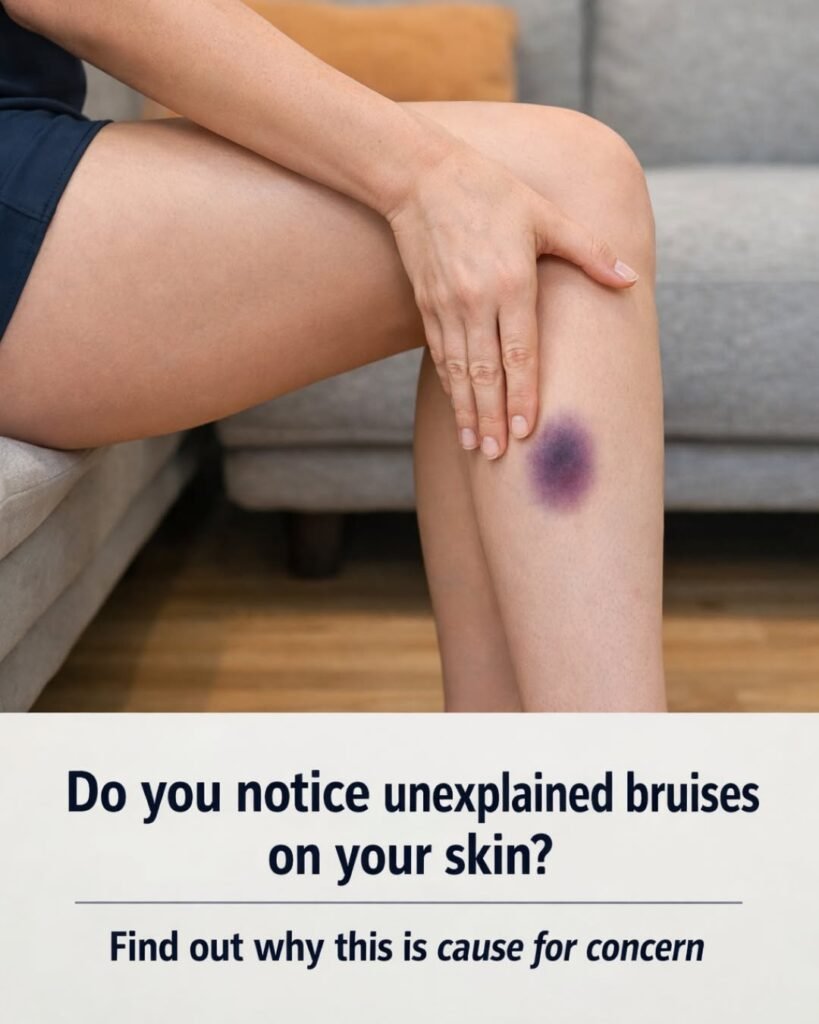
Purple Spots on Your Skin: Common Causes, Warning Signs, and When to See a Doctor
Have you ever noticed purple spots or patches appearing on your skin without remembering a bump or injury? While many discolorations are harmless bruises that fade with time, unexplained purple spots can sometimes indicate an underlying medical condition that shouldn’t be ignored.
Understanding what causes these marks—and knowing when they require medical attention—can help you protect your health and seek treatment when necessary.
What Are Purple Spots on the Skin?
Purple spots develop when small blood vessels beneath the skin leak blood into the surrounding tissue. Unlike many rashes, these spots usually do not turn white or fade when you press on them.
Depending on their size, healthcare professionals may describe them as:
- Petechiae: Tiny pinpoint red or purple spots.
- Purpura: Slightly larger purple patches.
- Ecchymosis: Larger areas commonly known as bruises.
Although bruises often result from injury, purple spots that appear without an obvious cause deserve closer attention.
Common Causes of Purple Spots
1. Minor Injuries or Bruising
The most common reason for purple skin discoloration is a bruise caused by a bump, fall, or pressure on the skin. Blood leaks from tiny damaged vessels and gradually changes color as the body heals.
Most bruises improve within one to three weeks without treatment.
2. Aging and Fragile Blood Vessels
As we get older, the skin naturally becomes thinner and loses some of its protective tissue. Blood vessels also become more delicate, making bruising easier—even after very minor contact.
This age-related condition is sometimes called actinic purpura or senile purpura, especially on the hands and forearms.
3. Blood-Thinning Medications
Certain medications reduce the blood’s ability to clot, increasing the likelihood of bruising.
These may include:
- Aspirin
- Warfarin
- Apixaban
- Rivaroxaban
- Clopidogrel
- Heparin
Never stop taking prescribed blood thinners without consulting your healthcare provider.
4. Low Platelet Count
Platelets help stop bleeding by forming blood clots. When platelet levels become too low—a condition called thrombocytopenia—purple spots may appear without injury.
Possible causes include:
- Viral infections
- Autoimmune disorders
- Certain medications
- Bone marrow disorders
Low platelet counts may also increase the risk of nosebleeds or bleeding gums.
5. Vitamin Deficiencies
A lack of certain nutrients can weaken blood vessels and affect normal healing.
Vitamin deficiencies associated with easy bruising include:
- Vitamin C
- Vitamin K
- Folate (in some cases)
Eating a balanced diet rich in fruits, vegetables, and leafy greens helps support healthy blood vessels.
6. Medical Conditions Affecting Blood Vessels
Some illnesses cause inflammation or damage to blood vessels, leading to purplish skin changes.
Examples include:
- Vasculitis
- Certain autoimmune diseases
- Severe infections
- Some blood disorders
These conditions often occur alongside other symptoms and require medical evaluation.
Symptoms That Shouldn’t Be Ignored
Seek medical advice if purple spots:
- Appear without any known injury.
- Continue increasing in number.
- Become unusually large.
- Do not improve after several weeks.
- Are accompanied by fever or unexplained fatigue.
- Occur together with bleeding from the gums or nose.
- Develop after starting a new medication.
Although many cases are harmless, persistent or widespread bruising should always be assessed by a healthcare professional.
How Doctors Diagnose the Cause
Depending on your symptoms, a healthcare provider may recommend:
- A physical examination.
- Blood tests to evaluate platelet levels and clotting.
- Liver or kidney function tests.
- Additional imaging or specialist referrals if necessary.
Finding the underlying cause helps guide appropriate treatment.
Caring for Ordinary Bruises at Home
If the purple spot is caused by a simple injury, these measures may help:
- Apply a cold compress during the first 24–48 hours.
- Elevate the affected area when possible.
- Avoid additional pressure or trauma.
- After two days, a warm compress may improve circulation and healing.
Most uncomplicated bruises resolve naturally.
Can Purple Spots Be Prevented?
While not every cause is preventable, you can lower your risk by:
- Eating a nutritious diet rich in vitamins.
- Protecting your skin from injury.
- Wearing protective clothing during activities.
- Managing chronic health conditions.
- Taking medications exactly as prescribed.
- Attending regular medical checkups.
Final Thoughts
Purple spots on the skin are often harmless bruises caused by minor injuries or aging skin. However, spots that appear without explanation, spread rapidly, or occur alongside bleeding or other unusual symptoms may signal an underlying medical condition.
Paying attention to changes in your skin and seeking medical advice when needed can help identify potential health problems early and provide peace of mind.
Frequently Asked Questions (FAQ)
Are purple spots always bruises?
No. While many are ordinary bruises, some may result from blood disorders, vitamin deficiencies, medication effects, or other medical conditions.
When should I worry about purple spots?
If they appear without injury, continue spreading, are accompanied by fever or bleeding, or don’t improve after a few weeks, consult a healthcare professional.
Can vitamin deficiency cause easy bruising?
Yes. Deficiencies in nutrients such as vitamin C or vitamin K can weaken blood vessels or affect normal blood clotting.
Do blood thinners increase bruising?
Yes. Medications that reduce blood clotting can make bruises and purple spots more common. Never stop these medications without your doctor’s advice.
Disclaimer: This article is for informational purposes only and is not intended to diagnose, treat, or prevent any medical condition. If you notice persistent or unexplained purple spots on your skin, consult a qualified healthcare professional for proper evaluation and personalized advice.