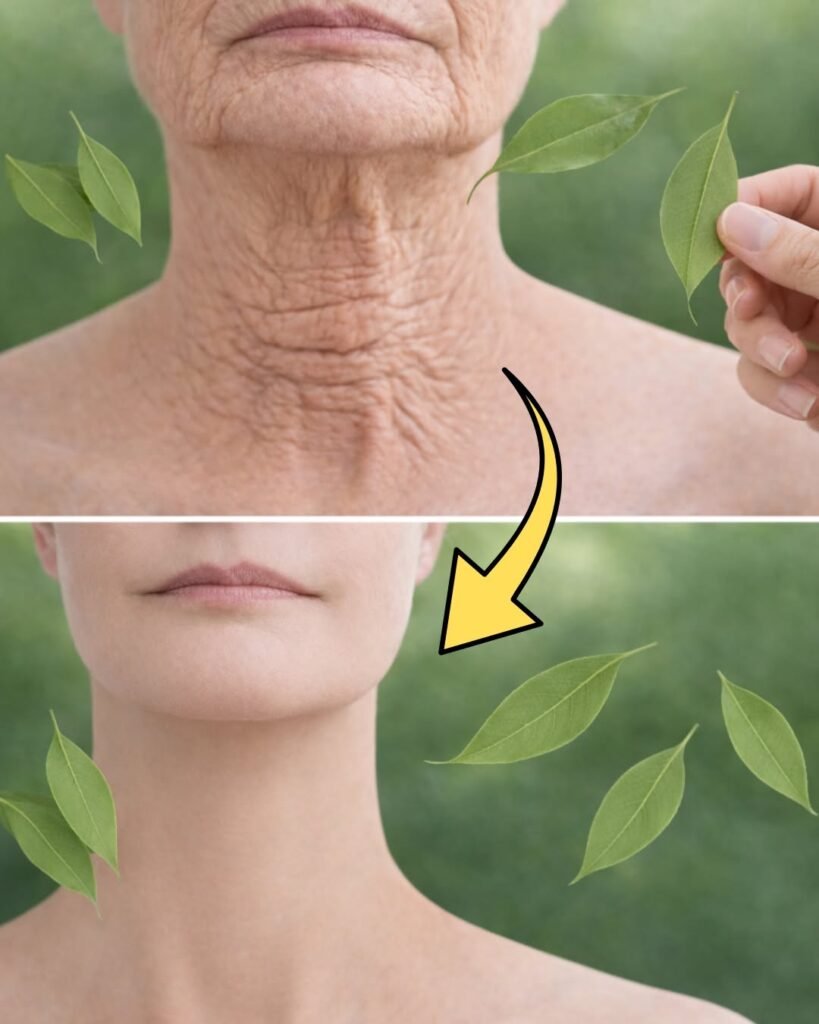
Bay Leaf for Skin Care: Can This Kitchen Herb Really Help Reduce the Appearance of Wrinkles?
Bay leaves are a familiar ingredient in soups, stews, and many traditional recipes, but recently they’ve also become a popular topic in natural skincare. Social media posts often claim that bay leaves can smooth wrinkles, tighten skin, or even work like Botox. While these claims can be eye-catching, it’s important to separate fact from fiction.
Although bay leaves contain beneficial plant compounds that may support healthy skin, they are not a substitute for professional cosmetic treatments. Here’s what current knowledge suggests about bay leaves and their potential role in a skincare routine.
What Are Bay Leaves?
Bay leaves come from the Laurus nobilis tree, an evergreen native to the Mediterranean region. For centuries, they have been used in cooking and traditional herbal practices.
These aromatic leaves contain several naturally occurring compounds, including:
- Antioxidants
- Flavonoids
- Essential oils
- Polyphenols
These substances have attracted scientific interest because of their antioxidant and anti-inflammatory properties.
Why Are Bay Leaves Associated with Anti-Aging?
Skin naturally changes with age. Over time, collagen and elastin production decreases, making the skin less firm and more prone to fine lines and wrinkles. Environmental factors such as sunlight, pollution, smoking, and stress can also accelerate visible aging.
Since antioxidants help protect cells from oxidative stress, some people use antioxidant-rich ingredients like bay leaves as part of a broader skincare routine.
While this may help support healthy-looking skin, there is currently no strong clinical evidence that bay leaves can remove wrinkles or produce results comparable to cosmetic procedures.
Potential Skin Benefits of Bay Leaves
1. Rich in Antioxidants
Bay leaves contain plant compounds that help neutralize free radicals. Free radicals contribute to premature skin aging by damaging healthy skin cells.
A diet rich in antioxidants—and skincare ingredients containing antioxidants—may help maintain healthier-looking skin over time.
2. May Help Soothe Mild Skin Irritation
Some laboratory studies suggest compounds found in bay leaves have anti-inflammatory properties.
Although more human research is needed, this may help explain why bay leaves have traditionally been used in herbal skincare preparations.
3. Supports a Healthy Skin Appearance
Warm facial steam prepared with bay leaves may temporarily increase moisture on the skin’s surface and leave the complexion feeling refreshed. While the effect is temporary, many people enjoy it as part of a relaxing self-care routine.
Bay Leaf vs. Botox: What’s the Difference?
Despite many online claims, bay leaves do not work like Botox.
| Bay Leaf | Botox |
|---|---|
| Natural herb | Prescription medical treatment |
| Provides antioxidant compounds | Relaxes facial muscles temporarily |
| Limited research for wrinkle reduction | Extensive clinical evidence for reducing expression lines |
| Used in home skincare routines | Administered by trained medical professionals |
Botox targets the muscles responsible for expression wrinkles. Bay leaves do not affect facial muscles and cannot reproduce the same cosmetic results.
Simple Ways to Use Bay Leaves in Your Skincare Routine
Bay Leaf Facial Steam
Ingredients:
- 5–7 dried bay leaves
- 2–3 cups of water
Instructions:
- Bring the water to a boil.
- Add the bay leaves.
- Simmer for about 10 minutes.
- Remove from heat and allow it to cool slightly.
- Hold your face about 8–10 inches from the steam and cover your head with a towel.
- Steam for 5–10 minutes.
Afterward, rinse with cool water and apply a moisturizer.
Bay Leaf Infused Toner
Ingredients:
- 6 dried bay leaves
- 1 cup boiling water
Instructions:
- Steep the leaves for 20–30 minutes.
- Strain the liquid.
- Let it cool completely.
- Store in a clean container in the refrigerator for up to three days.
- Apply gently with a cotton pad after cleansing.
Always perform a patch test before using any homemade skincare product.
Healthy Habits That Truly Support Younger-Looking Skin
Natural ingredients work best alongside healthy daily habits, including:
- Wear sunscreen every day.
- Stay well hydrated.
- Eat a balanced diet rich in fruits and vegetables.
- Avoid smoking.
- Get enough sleep.
- Follow a consistent skincare routine with proven ingredients such as sunscreen, moisturizers, and retinoids if recommended by a dermatologist.
When to Be Cautious
Stop using bay leaf preparations if you notice:
- Redness
- Burning
- Itching
- Rash
- Swelling
People with sensitive skin or known allergies should consult a healthcare professional before trying new herbal remedies.
Final Thoughts
Bay leaves are a fragrant herb that contains antioxidants and other plant compounds which may support healthy skin as part of an overall skincare routine. However, there is no scientific evidence that bay leaves can erase wrinkles, replace Botox, or dramatically reverse aging.
If you enjoy natural skincare, bay leaves may be a pleasant addition to occasional facial steams or homemade toners. For noticeable wrinkle reduction, the most reliable approaches remain sun protection, healthy lifestyle habits, and evidence-based skincare recommended by qualified professionals.
Frequently Asked Questions (FAQ)
Can bay leaves remove wrinkles?
There is no strong scientific evidence that bay leaves can remove wrinkles. They may provide antioxidant benefits that support overall skin health.
Is bay leaf a natural alternative to Botox?
No. Bay leaves do not relax facial muscles like Botox and should not be considered an equivalent treatment.
Can I use bay leaves on sensitive skin?
Possibly, but always perform a patch test first. If irritation occurs, discontinue use and seek advice from a healthcare professional.
How often can I use a bay leaf facial steam?
Most people who choose to use it limit facial steaming to once or twice per week to avoid excessive skin dryness.
Disclaimer: This article is for informational purposes only and should not be considered medical advice. Always consult a qualified healthcare professional or dermatologist before trying new skincare treatments or if you have concerns about your skin.