
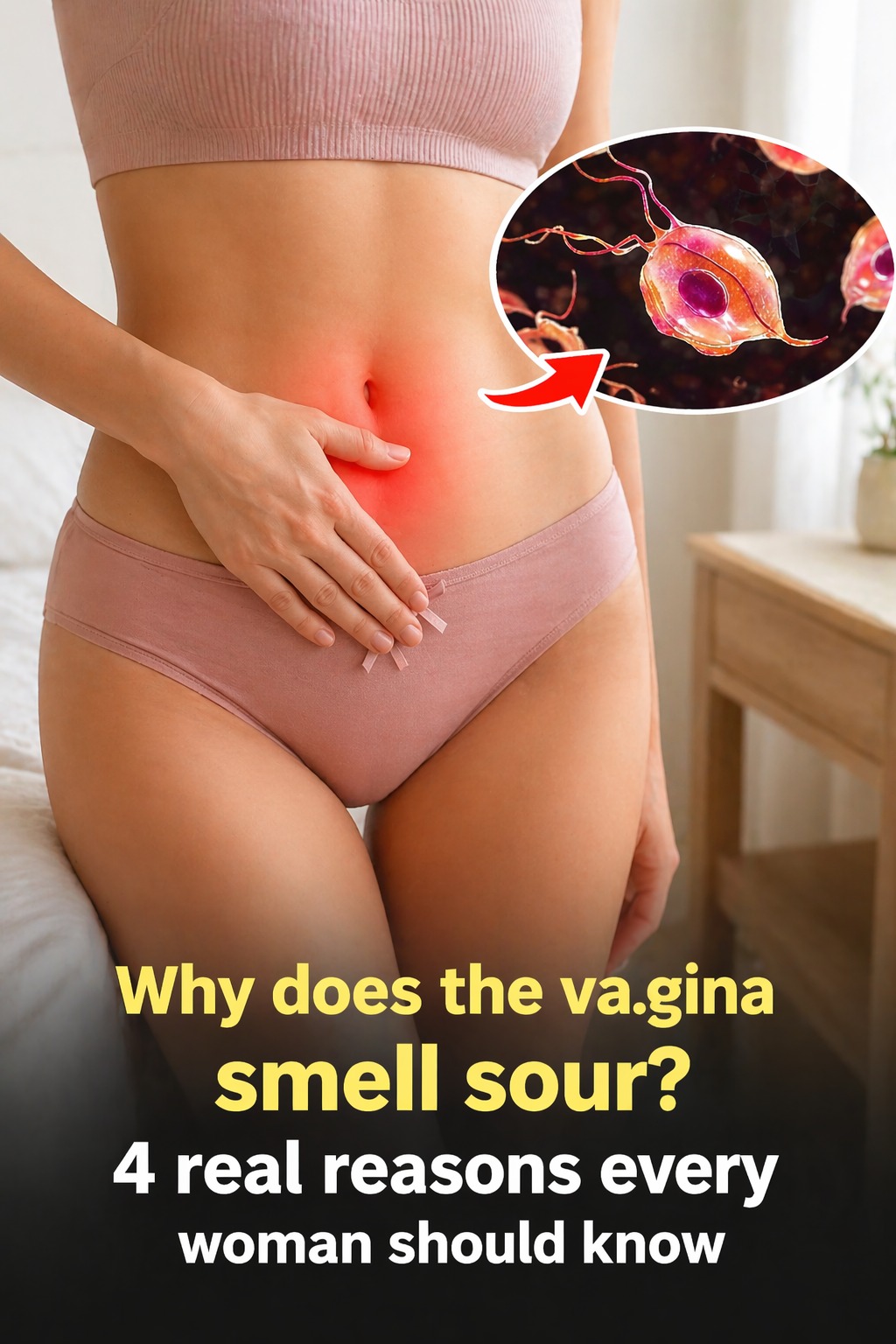
In everyday life, most women take special care of their personal hygiene — particularly their inti.mate health
Many women do pay close attention to personal hygiene and vulvovaginal health as part of general self-care, but “special care” can mean different things for different people and cultures. In medical terms, good intimate health usually focuses on simple, evidence-based habits rather than excessive cleaning.
A few widely recommended practices include:
- Washing the external genital area gently with warm water and mild, unscented soap if desired
- Avoiding douching, heavily fragranced products, or harsh cleansers, which can disrupt the natural vaginal balance
- Wearing breathable cotton underwear and changing out of damp clothing promptly
- Practicing safe sex and regular STI screening when appropriate
- Staying hydrated and maintaining overall health
- Paying attention to symptoms like unusual odor, itching, pain, or discharge and seeking medical advice if they occur
It’s also important to know that the vagina is self-cleaning, so aggressive hygiene routines are usually unnecessary and can sometimes cause irritation or infections.
If you want, I can also explain:
- what’s considered normal vs. abnormal vaginal discharge,
- common hygiene myths,
- how intimate care changes during periods, pregnancy, or menopause,
- or recommended products and routines.