If you have these lines on your nails, you should pay attention.
If you have these lines on your nails, you should pay attention.
Nail Ridges Explained: What Vertical and Horizontal Lines on Your Nails May Reveal About Your Health
Have You Noticed Lines on Your Fingernails? Here’s What Your Body Might Be Trying to Tell You
Most people think of fingernails as a cosmetic feature, something to polish, trim, and maintain. But your nails may be doing much more than completing your appearance. In fact, healthcare professionals have long recognized that fingernails can provide valuable clues about your overall health.
Changes in nail texture, color, shape, and growth patterns can sometimes signal nutritional deficiencies, stress, aging, or even underlying medical conditions. While many nail ridges are harmless and simply part of the natural aging process, others may deserve closer attention.
If you’ve recently noticed vertical ridges, horizontal grooves, discoloration, or unusual markings on your nails, understanding what these changes mean could help you stay proactive about your health and wellness.
Advertisement Placement
Why You’ll Love This Health Guide
- Easy-to-understand explanation of nail ridges
- Learn the difference between vertical and horizontal lines
- Discover potential links to vitamin deficiencies and health conditions
- Understand when nail changes are harmless and when to seek medical advice
- Science-backed information presented in simple language
Why Your Fingernails Matter More Than You Think
Your fingernails are made primarily of keratin, the same protein found in your hair and skin. As nails grow, they can reflect changes occurring throughout your body.
Healthcare professionals often examine nails when evaluating overall health because nail abnormalities can sometimes indicate:
- Nutritional deficiencies
- Circulation problems
- Autoimmune disorders
- Chronic illnesses
- Skin conditions
- Metabolic changes
Interestingly, some researchers suggest that fingernails may offer more useful health insights than toenails because they grow faster and respond more quickly to physiological changes.
What Causes Lines and Ridges on Fingernails?
Nail ridges can develop for several reasons, including:
- Natural aging
- Vitamin deficiencies
- Mineral deficiencies
- Skin disorders
- Physical trauma
- Chronic health conditions
- Temporary illness or stress
The most important clue is the direction of the ridge.
Whether a line runs vertically or horizontally can provide valuable information about its possible cause.
Vertical Nail Ridges: Usually Normal and Age-Related
What Are Vertical Nail Ridges?
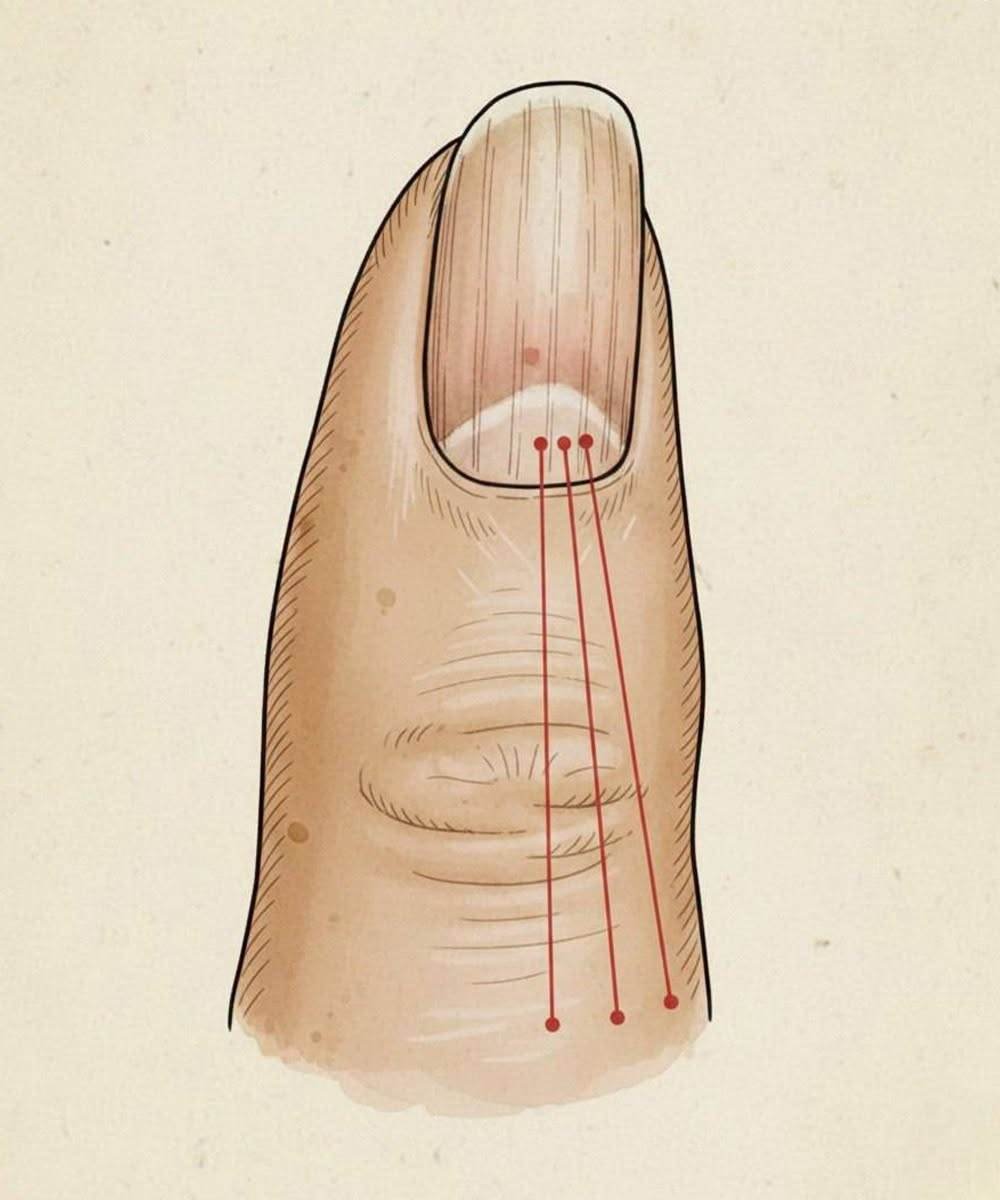
Vertical ridges run from the cuticle to the tip of the nail. These lines are extremely common and tend to become more noticeable as we age.
As the body’s natural cell turnover slows down, the nail plate may develop slight grooves that become increasingly visible over time.
In many cases, vertical ridges are simply a normal part of aging and are not a cause for concern.
When Vertical Ridges May Signal a Health Issue
Although most vertical ridges are harmless, certain accompanying symptoms may indicate an underlying condition.
Potential causes include:
Iron Deficiency Anemia
When vertical ridges appear alongside thin, brittle, or spoon-shaped nails, iron deficiency may be a contributing factor.
Additional symptoms of iron deficiency can include:
- Fatigue
- Weakness
- Dizziness
- Pale skin
- Shortness of breath
Trachyonychia
This nail disorder can cause:
- Rough nail texture
- Brittle nails
- Color changes
- Pronounced ridging
Trachyonychia may occur independently or alongside certain skin conditions.
Horizontal Nail Ridges: Beau’s Lines
What Are Beau’s Lines?
Horizontal grooves running across the nail are known medically as Beau’s lines.
Unlike vertical ridges, these lines often indicate that nail growth was temporarily interrupted.
When the body experiences significant stress, illness, injury, or metabolic disruption, nail production can slow or stop briefly. Once growth resumes, a visible horizontal groove remains.
Conditions Associated with Beau’s Lines
Beau’s lines may develop after:
- Severe infections
- High fever
- Major surgery
- Significant physical stress
- Serious illness
In some cases, they may be linked to:
- Kidney disease
- Thyroid disorders
- Diabetes
- Mumps
- Syphilis
If horizontal grooves appear across multiple fingernails at the same time, healthcare providers may investigate potential systemic causes.
Chemotherapy and Nail Changes
Cancer treatments such as chemotherapy can temporarily halt rapidly dividing cells throughout the body.
Because nails depend on continuous cell growth, many patients develop Beau’s lines during treatment. These grooves often serve as visible markers of treatment cycles and physiological stress.
Nail Discoloration and Trauma
Not every nail mark is caused by illness.
A bump, pinch, or injury can cause blood to collect beneath the nail, creating:
- Red spots
- Brown spots
- Dark streaks
- Purple discoloration
These marks often fade gradually as the nail grows out.
When Dark Spots Should Not Be Ignored
Although trauma is a common cause of nail discoloration, some dark streaks deserve prompt medical evaluation.
Be especially cautious if you notice:
- Black lines
- Dark brown streaks
- Deep red discoloration
- Pigmented spots with no known injury
These findings can occasionally be associated with serious conditions, including:
- Endocarditis
- Subungual melanoma
- Certain vascular disorders
Any unexplained dark mark that persists, enlarges, or changes appearance should be examined by a healthcare professional.
Is Nail Health Connected to Nutrition?
Yes.
Your nails require adequate nutrients to grow properly and maintain strength.
Poor nutrition may contribute to:
- Brittle nails
- Slow growth
- Splitting
- Ridges
- Color changes
Key nutrients involved in nail health include:
Protein
Nails are primarily composed of protein. Insufficient protein intake may affect nail strength and growth.
Iron
Iron deficiency is one of the most common nutritional causes of abnormal nail changes.
Zinc
Low zinc levels may contribute to ridges, slow growth, and weakened nails.
Vitamin A
Vitamin A supports healthy skin and nail cell production.
Biotin and B Vitamins
These nutrients play important roles in maintaining strong, healthy nails.
Can Nail Ridges Be Prevented?
Not all ridges can be prevented, particularly those related to aging. However, maintaining healthy lifestyle habits may support stronger nails.
Tips for Healthier Nails
- Eat a balanced diet rich in vitamins and minerals
- Stay hydrated throughout the day
- Protect nails from excessive trauma
- Wear gloves when cleaning
- Avoid harsh chemical exposure
- Moisturize hands and cuticles regularly
- Manage chronic health conditions appropriately
Frequently Asked Questions
Are vertical ridges on fingernails normal?
Yes. Vertical ridges are extremely common and often become more noticeable with age.
Can vitamin deficiencies cause nail ridges?
Yes. Deficiencies in iron, zinc, protein, and certain vitamins may contribute to nail abnormalities.
What are Beau’s lines?
Beau’s lines are horizontal grooves that develop when nail growth temporarily slows or stops due to illness, stress, or injury.
Should I worry about dark lines under my nails?
Dark lines should be evaluated if they appear without injury, persist, grow larger, or change in appearance.
When should I see a doctor about nail changes?
Consult a healthcare professional if you experience sudden, severe, painful, or unexplained nail changes, especially when accompanied by other symptoms.
Related Health Topics You May Also Enjoy
- Early Signs of Vitamin Deficiency You Should Never Ignore
- What Your Skin Can Reveal About Your Overall Health
- Common Symptoms of Iron Deficiency Anemia
- Healthy Foods That Support Strong Hair and Nails
- Warning Signs Your Body May Be Lacking Essential Nutrients
- How Aging Affects Your Skin, Hair, and Nails
Final Thoughts
Your fingernails may seem like a small part of your body, but they can sometimes provide surprisingly important clues about your overall health.
While most vertical ridges are simply a natural consequence of aging, horizontal grooves, unusual discoloration, and sudden changes in nail appearance may warrant closer attention. Paying attention to these subtle signs can help you identify potential issues early and seek appropriate medical guidance when necessary.
The next time you look at your hands, take a moment to examine your nails. They might be telling you more about your health than you realize.