If You Drool While Sleeping Often, Here Are 6 Possible Health Conditions Behind It
If You Drool While Sleeping Often, Here Are 6 Possible Health Conditions Behind It
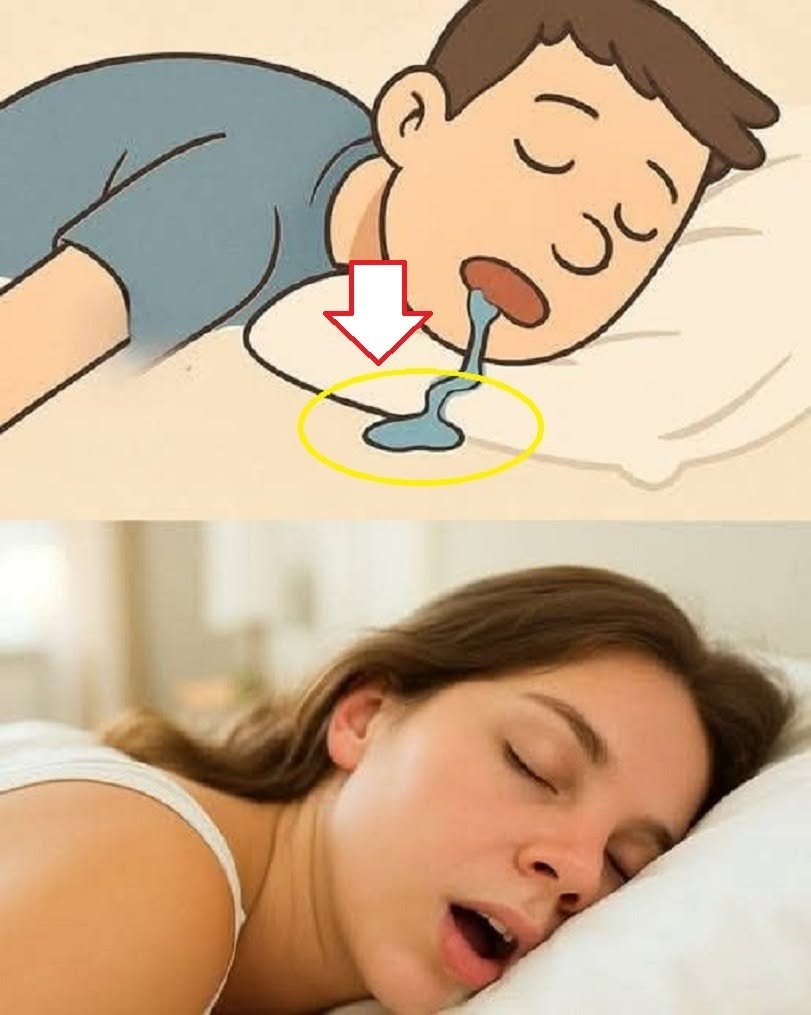
Waking up with a wet pillow every once in a while is usually nothing to worry about. Sleeping on your side, having a stuffy nose, or simply entering a deep stage of sleep can all cause occasional drooling.
However, frequent or excessive drooling during sleep may sometimes signal an underlying health condition that deserves attention. While drooling itself isn’t a disease, it can be an important clue about how your body is functioning.
Here’s what you should know.
Why Do We Drool During Sleep?
Your body produces saliva around the clock to keep your mouth moist, aid digestion, and protect your teeth. During sleep, your swallowing reflex naturally slows down. If your mouth stays open or swallowing becomes less efficient, saliva may collect and leak onto your pillow.
Most of the time, this is harmless—but persistent drooling can sometimes point to an underlying issue.
1. Obstructive Sleep Apnea
One of the most common medical causes of nighttime drooling is obstructive sleep apnea (OSA).
Sleep apnea causes repeated pauses in breathing during sleep, often leading to mouth breathing.
Other symptoms include:
- Loud snoring
- Waking up gasping for air
- Morning headaches
- Daytime sleepiness
- Difficulty concentrating
- Dry mouth upon waking
If you drool frequently and also snore or feel exhausted during the day, it’s worth discussing a sleep evaluation with your healthcare provider.
2. Allergies or Chronic Nasal Congestion
When your nose is blocked, your body naturally switches to breathing through your mouth, making drooling more likely.
Common signs include:
- Stuffy nose
- Sneezing
- Postnasal drip
- Itchy eyes
- Mouth breathing
- Snoring
Treating allergies or chronic sinus congestion may reduce nighttime drooling.
3. Acid Reflux (GERD)
Many people don’t realize that digestive problems can affect saliva production.
When stomach acid flows back into the esophagus, your body may produce extra saliva in an attempt to protect the throat and neutralize acid.
Symptoms may include:
- Heartburn
- Sour taste in the mouth
- Chronic cough
- Hoarseness
- Difficulty swallowing
- Chest discomfort
Managing acid reflux often helps reduce these symptoms.
4. Neurological Disorders
Some neurological conditions interfere with the muscles involved in swallowing, allowing saliva to build up.
Examples include:
- Parkinson’s disease
- Stroke
- Multiple sclerosis (MS)
- Cerebral palsy
- Amyotrophic lateral sclerosis (ALS)
Seek medical attention if drooling occurs with:
- Difficulty swallowing
- Slurred speech
- Facial weakness
- Choking during meals
- Sudden changes in movement
These symptoms require prompt medical evaluation.
5. Medication Side Effects
Certain medications can increase saliva production or make swallowing less effective.
Examples include some:
- Antipsychotic medications
- Sedatives
- Muscle relaxants
- Medications used to treat Alzheimer’s disease
- Some anti-anxiety medications
Never stop a prescribed medication without speaking to your healthcare provider. They may be able to adjust your treatment if side effects become troublesome.
6. Dental or Oral Health Problems
Sometimes the cause is inside the mouth itself.
Possible causes include:
- Gum disease
- Mouth infections
- Ill-fitting dentures
- Braces or retainers
- Mouth ulcers
Additional signs may include:
- Bad breath
- Gum swelling
- Tooth pain
- Difficulty chewing
Regular dental checkups can help identify these problems early.
Simple Ways to Reduce Drooling
If no serious condition is found, these habits may help:
- Sleep on your back if comfortable.
- Treat nasal congestion or allergies.
- Avoid large meals close to bedtime if you have reflux.
- Stay well hydrated.
- Practice good oral hygiene.
- Schedule regular dental examinations.
When Should You See a Doctor?
Occasional drooling is common, but it’s a good idea to seek medical advice if you notice:
- A sudden increase in drooling
- Persistent drooling that lasts for weeks
- Loud snoring with excessive daytime sleepiness
- Difficulty swallowing
- Choking while eating
- Slurred speech or facial weakness
- Unexplained weight loss
- Fever or signs of infection
These symptoms may indicate an underlying condition that needs evaluation.
Frequently Asked Questions
Is drooling during sleep normal?
Yes. Occasional drooling is common and usually harmless.
Can sleeping on your side cause drooling?
Yes. Gravity makes it easier for saliva to escape when sleeping on your side or stomach.
Does drooling always mean sleep apnea?
No. Sleep apnea is one possible cause, but allergies, mouth breathing, acid reflux, medications, and dental problems can also contribute.
Final Thoughts
Most cases of nighttime drooling are harmless and related to sleeping position or temporary nasal congestion. However, if drooling becomes frequent, starts suddenly, or occurs alongside symptoms such as loud snoring, swallowing difficulties, or excessive daytime fatigue, it’s worth discussing with a healthcare professional.
Rather than focusing on the drooling itself, consider it a signal that may help identify a condition affecting your sleep, breathing, or overall health. Early evaluation can often lead to effective treatment and better-quality sleep.